Farewell to the Gentleman Superstar: Remembering Dharmendra ji
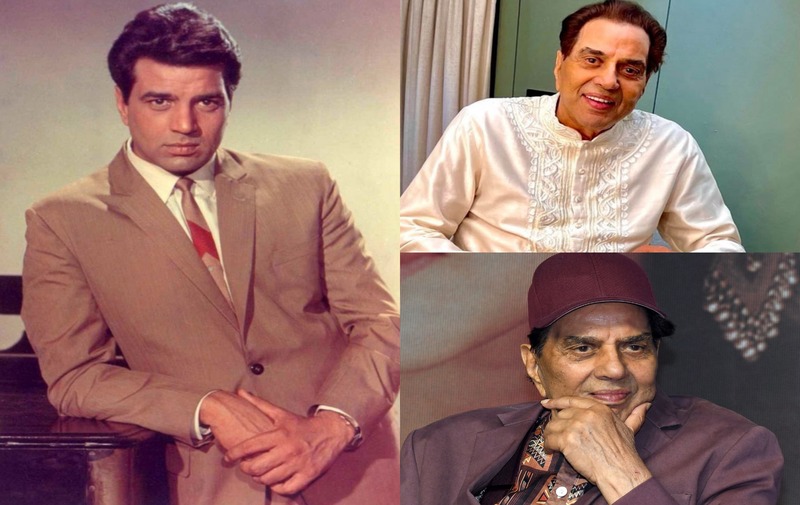
Dharmendra Kewal Krishan Deol, lovingly known as Dharmendra, was born on 8 December 1935 in Nasrali village of Punjab. From a young age, he was fascinated by the magic of cinema. He would often watch films in small-town theaters, his heart set on the silver screen. That dream, nurtured with hope and hard work, led him to Mumbai after winning the Filmfare New Talent Contest. With that single step, the boy from Punjab began a journey that would redefine Hindi cinema forever. His debut in 1960 with Dil Bhi Tera Hum Bhi Tere may not have been a blockbuster, but it was the humble start of one of the most glorious careers in Indian film history. From there, Dharmendra didn’t just act; he arrived, slowly but surely, with his raw magnetism, rugged looks, and unshakable determination.Fondly known as the ‘He-Man’ of Indian cinema, Bollywood icon Dharmendra passed away on 24 November 2025 at the age of 89. Earlier this month, he had been discharged from Mumbai’s Breach Candy Hospital on 12 November and was believed to be stable and recovering at home. He would have celebrated his 90th birthday on 8 December.Professionally, Dharmendra’s last appearance was in the 2024 film Teri Baaton Mein Aisa Uljha Jiya. He was also slated to feature in Sriram Raghavan’s upcoming war drama Ikkis.The Rise of a Star: From Romantic Hero to National HeartthrobThe early 1960s saw Dharmendra make his mark in films like Anpadh (1962), Bandini (1963), and Ayee Milan Ki Bela (1964). He was soon recognized not only for his acting skills but also for his effortless screen presence, a blend of gentleness and masculine grace that won over audiences instantly. His performance in Phool Aur Patthar (1966) changed everything. Playing a rugged antihero opposite Meena Kumari, Dharmendra became an overnight sensation. The film topped box office charts, and his shirtless scene from it earned him the nickname “He-Man of Bollywood.” In that moment, Indian cinema found its ultimate symbol of strength and sensuality: an actor who could make audiences swoon with a glance and move them with his sincerity.The Golden Era: A Legend in MotionFrom the mid-1960s to the late 1980s, Dharmendra was unstoppable. His career became a masterclass in versatility, effortlessly shifting between romantic dramas, intense action films, and rib-tickling comedies. Films like Haqeeqat (1964), Mera Gaon Mera Desh (1971), Raja Jani (1972), Jugnu (1973), Yaadon Ki Baaraat (1973), Chupke Chupke (1975), and Sholay (1975) showcased his incredible range. Whether he was the fearless Veeru in Sholay or the lovable professor in Chupke Chupke, Dharmendra’s charm was universal, adored by the masses, respected by his peers, and admired by critics. The year 1973 was particularly historic for him. With Loafer, Jugnu, Yaadon Ki Baaraat, and Kahani Kismat Ki, Dharmendra delivered one hit after another. His record of eight successful releases in a single year remains unmatched, a testament to his power as a superstar who defined an era.The Evergreen Hero: Strength Beyond StardomWhat made Dharmendra truly special was not just his looks or his screen persona, but the humility he carried through his success. Despite being one of the most handsome men in Indian cinema, he remained grounded, often describing himself as “a simple man who got lucky.” His collaboration with Hema Malini, whom he later married, created one of the most iconic on-screen pairings in Bollywood history. Together, they gave audiences unforgettable hits like Seeta Aur Geeta, Raja Jani, Dream Girl, and Charas, among others. Off-screen, their love story added a touch of fairy-tale romance to his life narrative. In the 1980s, Dharmendra proved that he was more than just a matinee idol. With films like Ghulami (1985), Hukumat (1987), and Elaan-E-Jung (1989), he reinvented himself as an action hero for a new generation, continuing to dominate the box office with his commanding screen presence.The Emotional Performer: Beyond the He-Man ImageWhile his action roles defined him as Bollywood’s “He-Man,” Dharmendra’s sensitive performances in films like Satyakam (1969), Anupama (1966), and Bandini (1963) proved his depth as an actor. Satyakam, in particular, is often regarded as his career-best performance, a film that highlighted his ability to portray moral strength and emotional vulnerability with rare honesty. Behind the brawn was a man who could emote pain, love, and integrity like few others. His soulful eyes spoke volumes, earning him a place among the most emotionally expressive actors of Indian cinema. Even as the decades passed, Dharmendra remained relevant. In the 2000s, he gracefully transitioned into mature roles. Films like Life in a... Metro (2007), Apne (2007), and Yamla Pagla Deewana (2011) reintroduced him to younger audiences. His performance in Rocky Aur Rani Kii Prem Kahaani (2023) reminded everyone that even after 60 years, Dharmendra’s magic still worked—a legend who never lost his warmth or charm. Dharmendra: The Superstar Who Stayed Close to His RootsIn real life, Dharmendra is admired not only for his iconic roles in Hindi cinema but also for his humility and warmth that transcend stardom. Despite being one of Bollywood’s most celebrated actors, he has always remained grounded and deeply connected to his fans. People who have met him often describe how approachable and affectionate he is, greeting everyone with a smile, sharing lighthearted jokes, and making people feel instantly at ease. He never let fame overshadow his simplicity, often remembering his village days and his love for the soil of Punjab. Dharmendra’s down-to-earth nature and emotional honesty make him a rare gem in the film industry, a true legend who touched hearts not just through his movies, but through his humanity.The End of an Era: Remembering the LegendOn 24 November 2025, the curtain fell on a monumental life. Dharmendra’s passing marked the end of an era, but his legacy continues to shine through his films, his family, and the millions of hearts that still beat for him. His sons Sunny and Bobby Deol, and even his grandson Karan, continue the Deol legacy, a lineage built on his strength, sincerity, and cinematic excellence. As veteran actor Dilip Kumar once said, “Whenever I meet God, I’ll ask Him, ‘Why didn’t you make me as handsome as Dharmendra?” That one line captures the awe and admiration the world held for him. Dharmendra’s story is not just that of a superstar; it is the story of dreams, discipline, and destiny. A farmer’s son from Punjab became Bollywood’s “He-Man,” not because of luck, but because of his relentless hard work, natural charisma, and pure heart. Even today, when old film songs play and his laughter echoes on screen, Dharmendra continues to live—immortal, majestic, and forever loved. A legend who didn’t just act in films; he lived them. Dharam Paji you will be missed. Thank you for countless movies and memories.

































































.jpg)
 (1).jpeg)
.jpeg)
 (1).jpeg)
.jpg)
.jpg)
.jpg)
.jpg)
.jpg)

















































































.jpg)
 (1).jpeg)
.jpg)
 (1).jpg)
.jpg)
.jpg)
.jpg)
.jpg)
.jpg)
.jpg)
.jpg)
.jpg)
.jpg)
.jpg)
.jpg)
.jpg)
.jpg)
.png)


.jfif)





































































.jpg)



(1).jpeg)
.jpg)
.jpg)
.png)
 (1).jpeg)
.jpeg)
.jpg)
.jpg)
.jpg)
.jpeg)
 (1).jpeg)
.jpg)
.jpg)


















.jpeg)











.png)
.jpg)