ONGC Holds Hands With Total Energies To Detect and Measure Methane Emissions.
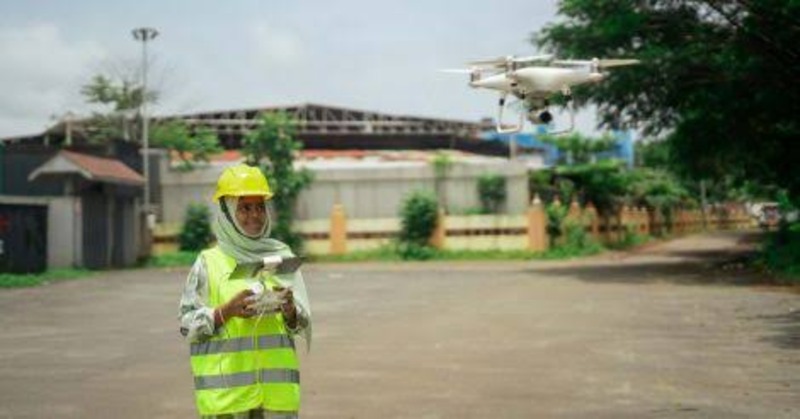
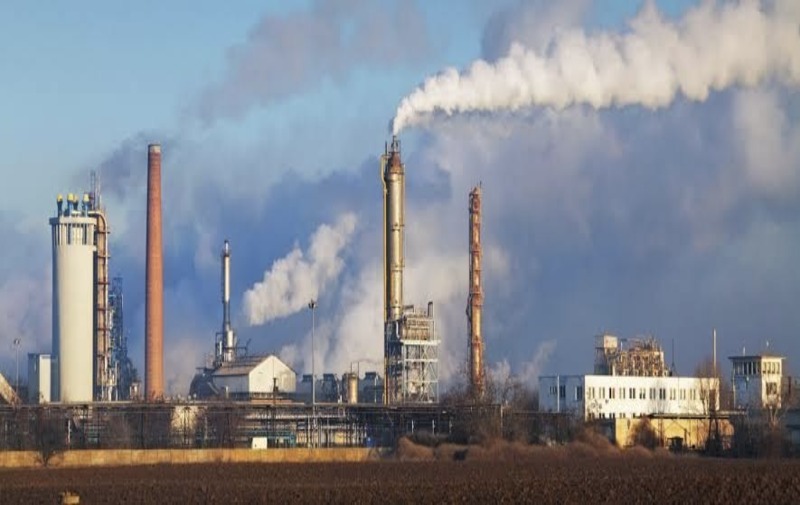
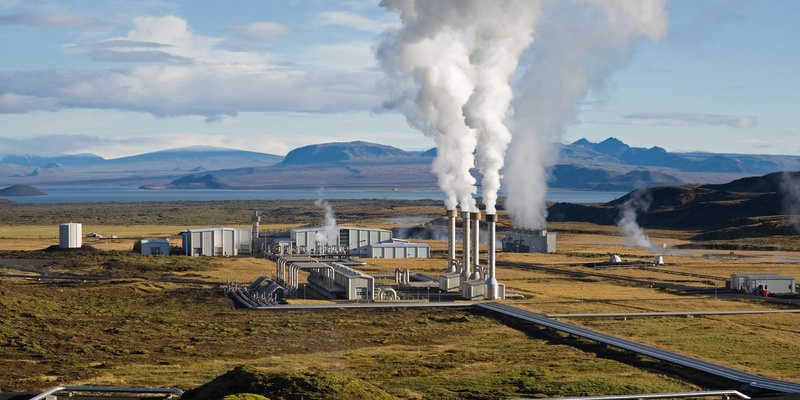
In the Headlines ~ A collaboration agreement has been inked by TotalEnergies and the state-owned Oil and Natural Gas Corporation (ONGC) to use the innovative technology to identify and quantify methane from the activities of the Indian enterprise. As part of its decarbonization initiative, ONGC wants to reduce the amount of greenhouse gas emissions from its oil and gas activities, namely methane. It will now identify and quantify methane emissions using TotalEnergies' ground-breaking AUSEA (Airborne Ultralight Spectrometer for Environmental Applications) technology, the two companies announced in a statement.
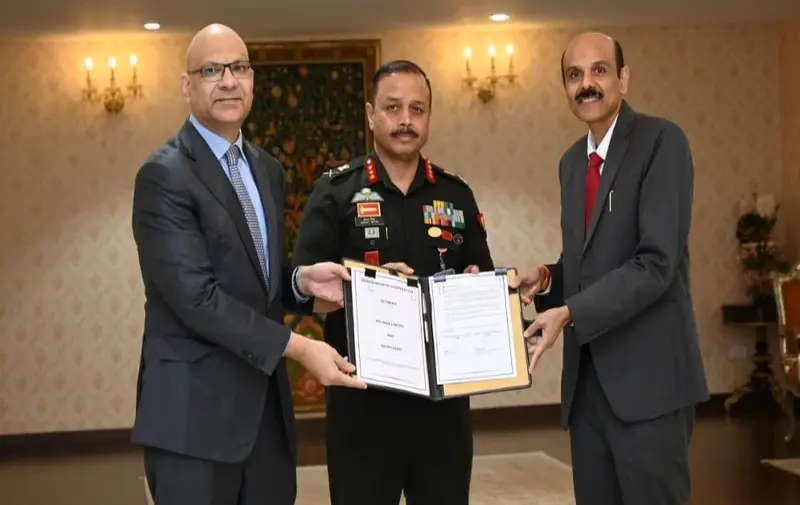
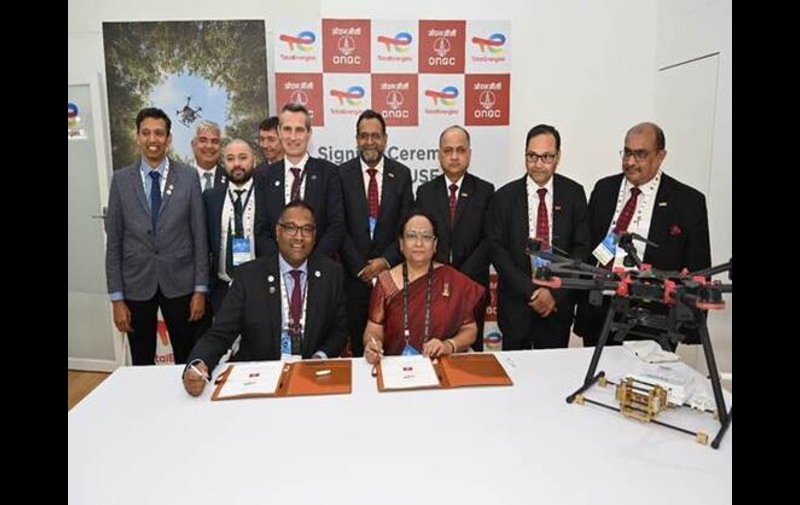
On the fringes of India Energy Week, Sushma Rawat, Director (Exploration), ONGC, and Sankaran Ratnam, Country Chair of TotalEnergies in India, signed the Cooperation Agreement.
Compared to conventional methods, this technology represents a significant advancement in the detection and monitoring of methane emissions. AUSEA is one of the most accurate technologies available since it enables access to difficult-to-reach emission locations in many kinds of industrial facilities. In the battle against climate change, reducing methane emissions from operations is the industry's top goal. Their goal as a group is to have zero methane emissions by 2030. According to TotalEnergies Chairman and CEO Patrick Pouyann, "We are happy to work together and provide ONGC, in India, with our AUSEA technology to detect, measure, and eventually reduce methane emissions on their assets."
Understanding How Methane Emissions Are Harmful ~
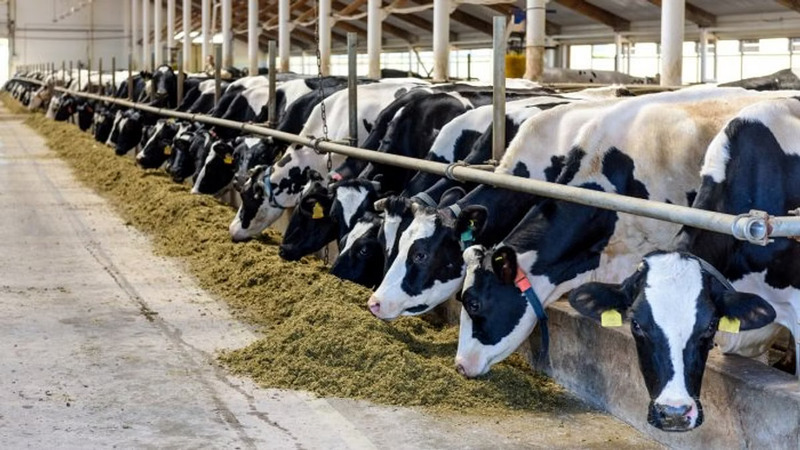
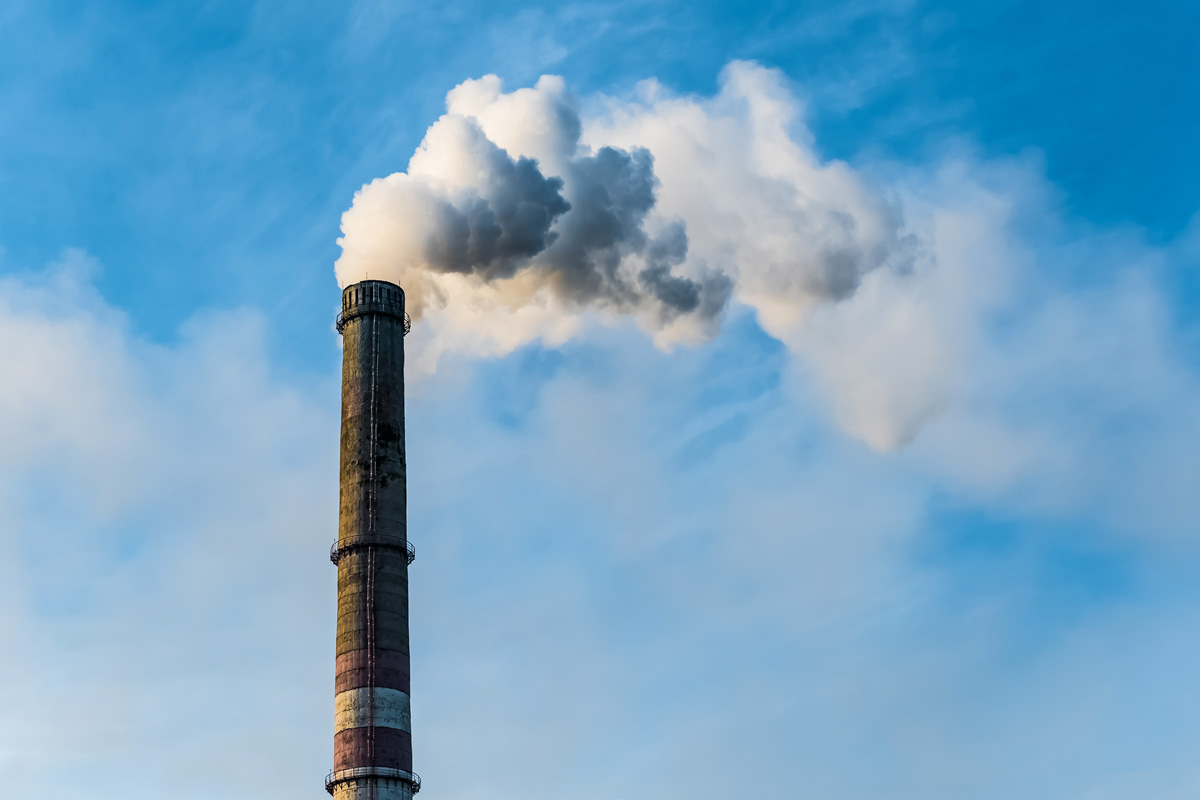
Ground-level ozone, a dangerous air pollutant, and greenhouse gas that exposes people to one million premature deaths annually, is mostly formed by methane. It is 80 times more powerful than carbon dioxide at warming. Since pre-industrial times, methane has contributed around 30% to global warming, and its abundance is increasing more quickly than it has ever done since record-keeping started in the 1980s. In fact, during the pandemic-related lockdowns in 2020, atmospheric methane increased even as carbon dioxide emissions decreased, according to statistics from the US National Oceanic and Atmospheric Administration.
~ Will lowering methane aid in the fight against global warming?
Indeed. Over centuries to millennia, carbon dioxide remains in the atmosphere, suggesting that its climate impact would manifest much later in the century, even with rapid and substantial emission reductions. However, methane breaks down in just about ten years. Therefore, reducing methane emissions today would yield prompt effects and is crucial for limiting global warming to 1.5°C.
ONGC In a Glance ~
ONGC is the biggest producer of natural gas and crude oil in India, accounting for over 71% of the country's total output. To make petroleum products like gasoline, diesel, kerosene, naphtha, and cooking gas liquid petroleum gas (LPG), downstream firms like Indian Oil Corporation Ltd. (IOC), Hindustan Petroleum Corp Ltd (HPCL) and Mangalore Refinery and Petrochemicals Ltd (MRPL) (the last two are subsidiaries of ONGC) utilize crude oil as their raw material. Being a firm with in-house service capabilities in all areas of oil and gas exploration and production as well as allied oil-field services gives ONGC a special advantage. This public sector organization employs almost 26,000 people who work hard in difficult environments around the clock.
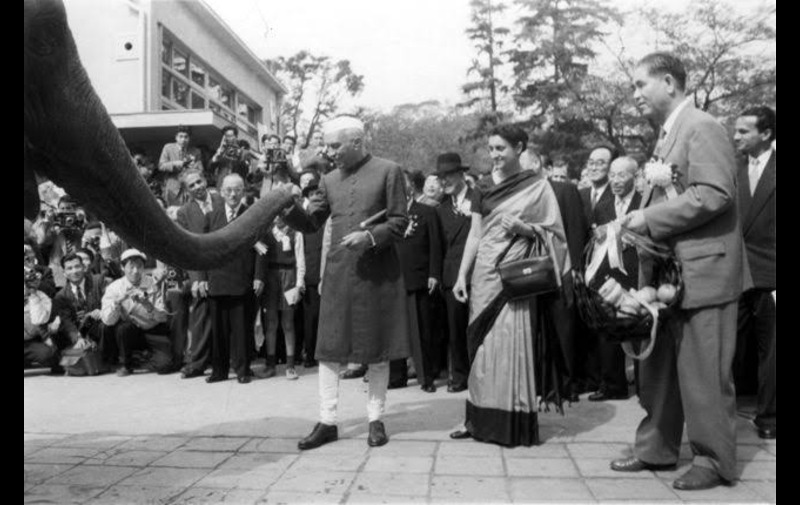
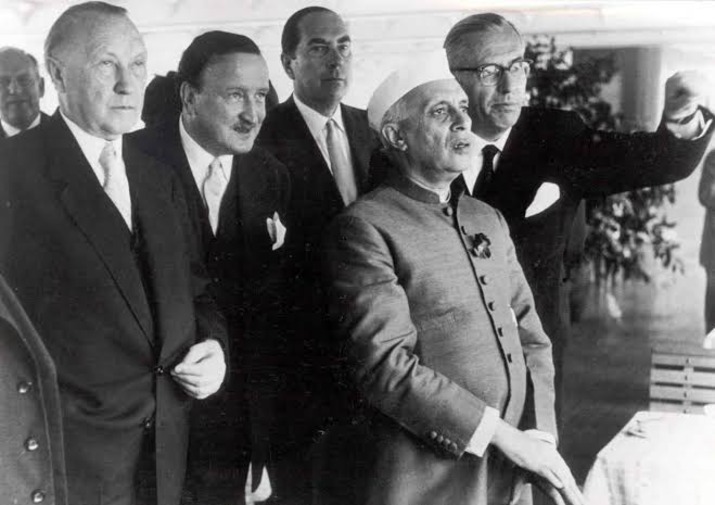
Pandit Jawahar Lal Nehru provided visionary leadership in establishing the ONGC. Pandit Nehru had trust in Shri Keshav Dev Malviya, who in 1955 established the Oil and Gas branch of the Geological Survey of India, which became the basis of ONGC. It was changed into an Oil and Natural Gas Directorate a few months later. On August 14, 1956, the Directorate was transformed into the Commission and given the name Oil & Natural Gas Commission. "Not only had India set up her machinery for oil exploration and exploitation, but also an efficient oil commission had been built where a large number of bright young men and women had been trained and they were doing good work," stated Pandit Jawahar Lal Nehru at 1959 On ONGC, India's first prime minister. Throughout its 60-year history, ONGC has achieved several milestones to fulfill India's energy ambitions. Over the years, ONGC's journey has been one of devotion, bravery, and conviction. Every border region have been transformed into new hydrocarbon provinces, thanks to the extraordinary efforts of ONGC. From humble beginnings, ONGC has expanded to rank among the biggest exploration and production (E&P) firms globally in terms of reserves and production.
Some Information About Total Energies SE ~
TotalEnergies SE (TotalEnergies), formerly known as Total SE, is an integrated worldwide multi-energy firm that produces energy from renewable sources, oil and biofuels, and natural gas and green gases. Drilling, producing oil and gas, processing, transporting, refining, producing petrochemicals, storing, distributing petroleum products and specialized chemicals are all done by it. It generates electricity, trades gas, and works in the renewable energy industry. TotalEnergies leases ships, trades on many derivative markets, and provides feedstock to chemical facilities. The business provides services to customers in the manufacturing, aerospace, automotive, transportation, and energy sectors. It operates throughout North and South America, Europe, the Middle East, Africa, and Asia-Pacific. The main office of TotalEnergies is located in Paris, France.
''Saving our planet, lifting people out of poverty, advancing economic growth… these are the same fight. We must connect the dots between climate change, water scarcity, energy shortages, global health, food security, and women’s empowerment. Solutions to one problem must be solutions for all.''– Ban Ki-moon ( Ban Ki-moon is a South Korean politician and diplomat who served as the eighth secretary-general of the United Nations between 2007 and 2016. Before he was appointed secretary-general, Ban was the South Korean Minister of Foreign Affairs and Trade between 2004 and 2006.)






















.jpg)
.jpg)
 (1).jpeg)
 (1).jpeg)
.jpeg)
.png)
.jpg)






































.jpg)
.jpg)
.jpeg)
.jpg)
.jpg)
.jpg)
.jpg)
 (1).jpeg)
.jpg)
.jpg)
.jpg)
.jpg)
.jpeg)
.jpg)
.jpeg)
.jpg)
.jfif)






























(1).jpg)
 (1).jpeg)
.jpeg)
.jpeg)
.jpg)
.jfif)

















.jpg)
.jpg)
.jpg)
.jpg)
.jpg)