India’s Para-Athletes Ready to Shine as Asian Para Games 2026 Begin in Japan
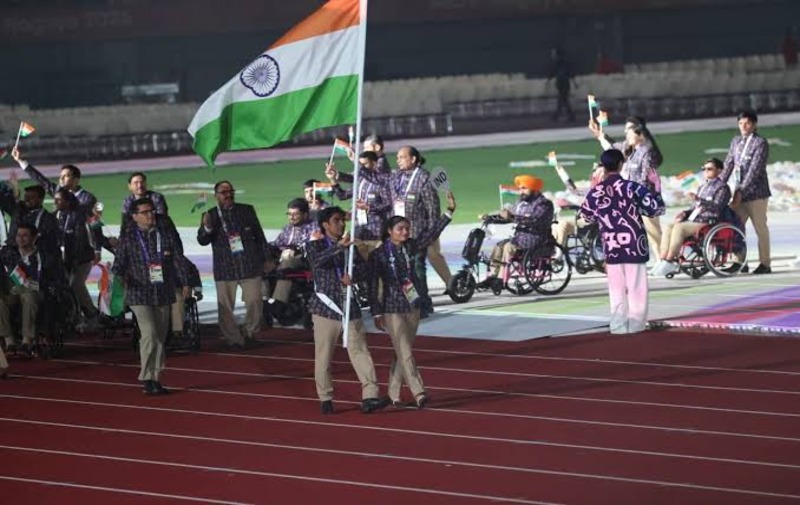
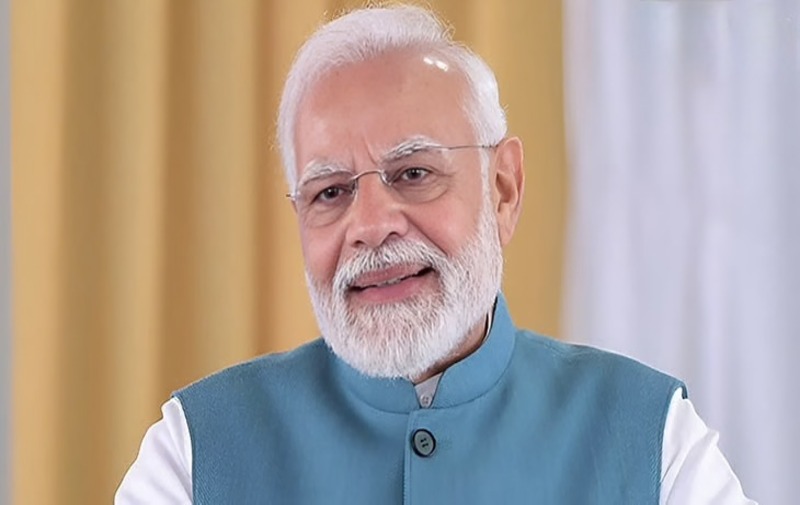
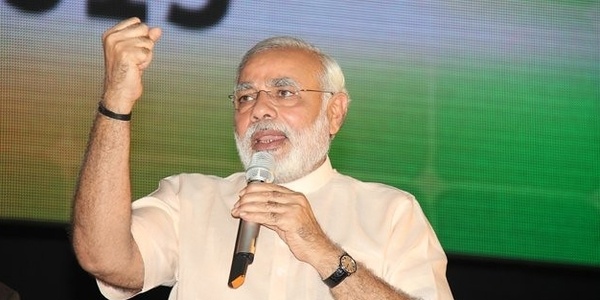
India’s para-athletes are ready to turn determination into triumph as the Asian Para Games 2026 get underway in Aichi-Nagoya, Japan. With a strong contingent of athletes, several Paralympic champions and an ambitious target of around 100 medals, India is looking to build on its record-breaking performance at the previous edition.Prime Minister Narendra Modi extended his best wishes to the Indian contingent, praising the athletes for their grit, dedication and sporting spirit.PM Modi Cheers India’s Sporting HeroesIn a post on X, the Prime Minister expressed pride in the country’s para-athletes, highlighting how their determination inspires millions of Indians. He encouraged them to compete with confidence and give their very best at the prestigious continental event.Leading India’s delegation at the opening ceremony at Paloma Mizuho Stadium in Nagoya were para-badminton star Pramod Bhagat and sprinter Simran Sharma, who served as flag-bearers.The contingent also made a striking appearance in deep blue blazers featuring golden motifs inspired by the Indus Valley Civilisation. The designs incorporated iconic elements, including the Priest-King sculpture, the Dancing Girl figurine and ancient seals, bringing a touch of India’s rich heritage to the international sporting stage.A Strong Contingent with an Ambitious TargetIndia has fielded a 281-member delegation comprising 168 athletes, 98 team officials and support personnel, and 15 contingent staff. The athletes, including 112 men and 56 women, will compete across 11 disciplines as the Games continue until October 24.The Indian team enters the competition after a historic campaign at Hangzhou in 2023, where it won an impressive 111 medals—29 gold, 31 silver and 51 bronze. This surpassed the country’s previous best of 72 medals at Jakarta in 2018.Head coach of para-athletics Satyanarayana said the team was targeting around 100 medals. He also expressed confidence in the athletes’ preparations, expecting a strong start to the athletics events.Paralympic Champions Lead the ChargeIndia’s squad features an impressive lineup of established champions and rising stars. Two-time Paralympic champion Sumit Antil will aim to defend his men’s javelin F64 title, while fellow Paralympic champions Dharambir Nain, Praveen Kumar and Navdeep Singh will strengthen the athletics campaign.Other prominent athletes include Nishad Kumar, Preethi Pal, Deepthi Jeevanji, Sachin Sarjerao Khilari and Hokato Hotozhe Sema.In para-shooting, two-time Paralympic champion Avani Lekhara will defend her women’s 10-metre air rifle title. Meanwhile, 19-year-old archer Sheetal Devi returns to defend her women’s compound crown.The para-badminton team will be led by champions Pramod Bhagat and Nitesh Kumar, alongside accomplished players Suhas Yathiraj, Thulasimathi Murugesan and Nithya Sre Sumathy Sivan.Building on a Remarkable Medal JourneyIndia’s progress at the Asian Para Games has been remarkable, with its medal tally rising from 14 in 2010 to 111 in 2023. As competition unfolds across 19 venues in Japan, the Indian contingent carries not just the ambition of winning medals but also the hopes of millions.With experience, talent and steadfast determination on its side, India will be looking to deliver another memorable performance on the Asian stage.
























.jpg)
.jpg)
.jpeg)
.jpg)
.jpg)
.jpg)
.jpg)






.jpg)