Why Does Waste Segregation Count?
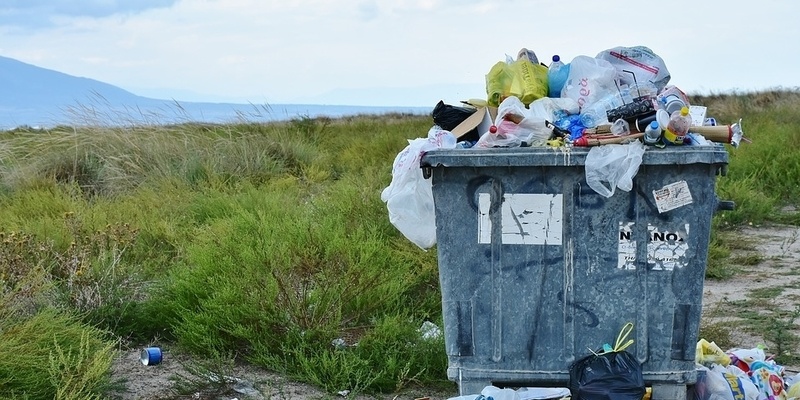
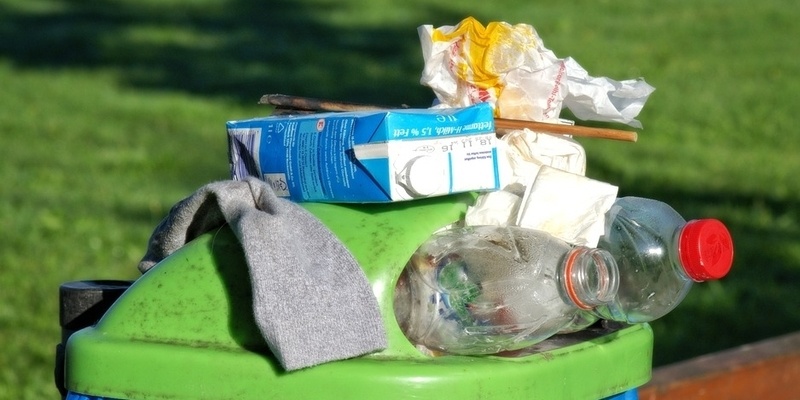
In a world grappling with the mounting challenge of waste management, scientists continue to sound the alarm on the ever-increasing volume of garbage generated, emphasizing the urgent need for effective waste management practices. Diverse in composition and characteristics, different types of waste necessitate tailored approaches for their proper disposal and recycling. Therefore, reaching overall waste management objectives requires an awareness of waste segregation and knowing how to segregate garbage. Waste has to be categorized to be separated into distinct groups. Appropriate waste segregation requires accurate waste type identification.
Waste Classification Is The Unlocking Key For Number Of Solutions ~
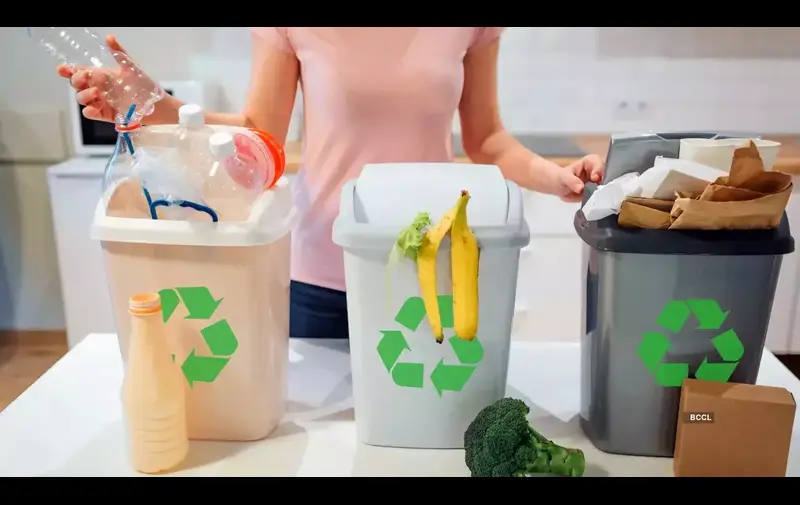
Sorting and segregating waste are two different processes. Waste segregation refers to the classification of waste into different categories. Waste is placed in its category at the point of dumping or collection. Based on their biological, physical, and chemical properties, wastes are classified into several categories:
Wet Waste: Refers to biodegradable organic waste. Food items, soiled food wrappers, hygiene products, yard waste, paper towels, etc.
Dry Waste: Refers to non-biodegradable waste that includes recyclable and non-recyclable materials. Paper, clothing, plastic, wood, glass, etc.
Sanitary Waste: Refers to a type of hygiene waste. Used diapers, sanitary towels or napkins, tampons, condoms, incontinence sheets, and any other similar waste.
E-Waste: Refers to discarded electrical or electronic devices. Computers, televisions, VCRs, stereos, copiers, etc.
Hazardous Waste: Refers to items that contain corrosive, toxic, ignitable, or reactive components.
Inert Waste: Refers to wastes that are unreactive biologically and chemically.
(Source: Google Images)
Waste recovery, recycling, and reuse are made easier by waste segmentation. Waste segregation can enhance the recycling procedure. One easy technique to assist recycling organizations is to separate debris into dry and moist categories. Recycling non-biodegradable garbage and directly treating biodegradable waste will both benefit from this. As a result, less pollution will be released into the ecosystem overall since only biodegradable garbage will be dumped there. Waste segregation encourages resource efficiency and safeguards it for the next generations. However, that is not the only reason waste segregation is important.
Reduced landfill trash is a result of waste separation. Because of the rising population and their changing consumption habits, landfills are becoming an increasingly serious issue. Waste segregation is the best method to reduce the harm that landfills do to the environment and the health risks that might arise from toxic waste materials being disposed of inappropriately. Waste may become mixed up at the landfill if it is not separated before disposal. What would happen if carbon dioxide or methane were present in the waste? Given that both are greenhouse gasses that contribute to global warming, it may have major consequences.
A Stairway To Public Health ~
If garbage is disposed of without being separated, potentially dangerous substances may seep into the ground. Over time, this may negatively impact human health and degrade soil fertility. There are a lot more benefits to trash segregation than that! Public health also depends on waste segregation, particularly when it comes to separating hazardous and non-hazardous trash. When garbage is disposed of without being separated, health issues may occur. Non-biodegradable and hazardous trash can lead to a variety of ailments, including growth problems, skin irritations, and more. The health of the employees who handle waste directly is likewise safeguarded by waste segregation.
Economical and Ecologically Sustainable ~
The necessity of waste management plans for construction enterprises is growing. The primary motivation for separating construction trash is financial. An average construction company produces one hundred metric tons of garbage annually. Most of this garbage is dumped in landfills, which are expensive for companies. Segregated construction trash allows for more effective recycling. Additionally, when garbage is transferred to landfills less frequently, profit margins per project rise. Plans for managing trash are made in the office, but they still need to be carried out on the job site. Less garbage ends up in landfills if staff members are instructed and trained in following waste segregation requirements. Larger profit margins, reduced waste levels, and cheaper disposal costs will all be advantageous to any project.
Waste segregation is an essential element of healthcare waste management techniques. Separating waste at the source lowers the risk of illness and lowers disposal expenses. Hazardous waste must be kept separate at the source to be managed responsibly and sustainably without endangering the health of patients or healthcare personnel. Waste has to be gathered in containers that are suitable, labeled, and colored based on the kind of waste produced.
(Source: Google Images)
Facilitating The 3 R's Reuse, Recycle, and Reduce ~
The three R's – reduce, reuse, and recycle – all help to cut down on the amount of waste we throw away. They conserve natural resources, landfill space, and energy. Plus, the three R's save land and money. Siting a new landfill has become difficult and more expensive due to environmental regulations and public opposition. If the waste is already segregated then it becomes easy to choose any of the further ways to manage the resultant waste.
REDUCE: The best way to manage waste is to not produce it. This can be done by shopping carefully and being aware of a few guidelines:
Buy products in bulk. Larger, economy-size products or ones in concentrated form use less packaging and usually cost less per ounce.
Avoid over-packaged goods, especially ones packed with several materials such as foil, paper, and plastic. They are difficult to recycle, plus you pay more for the package.
Avoid disposable goods, such as paper plates, cups, napkins, razors, and lighters. Throwaways contribute to the problem and cost more because they must be replaced again and again.
Buy durable goods – ones that are well-built or that carry good warranties. They will last longer, save money in the long run, and save landfill space.
At work, make two-sided copies whenever possible.
Maintain central files rather than using several files for individuals.
Use electronic mail or main bulletin board.
Use cloth napkins instead of paper napkins.
Use a dishcloth instead of paper towels.
REUSE: It makes economic and environmental sense to reuse products. Sometimes it takes creativity:
Reuse products for the same purpose. Save paper and plastic bags, and repair broken appliances, furniture, and toys.
Reuse products in different ways. Use a coffee can to pack a lunch; use plastic microwave dinner trays as picnic dishes.
Sell old clothes, appliances, toys, and furniture in garage sales or ads, or donate them to charities.
Use resealable containers rather than plastic wrap.
Use a ceramic coffee mug instead of paper cups.
Reuse grocery bags or bring your cloth bags to the store. Do not take a bag from the store unless you need one.
RECYCLE: Recycling is a series of steps that takes a used material and processes, remanufactures, and sells it as a new product. Begin recycling at home and work:
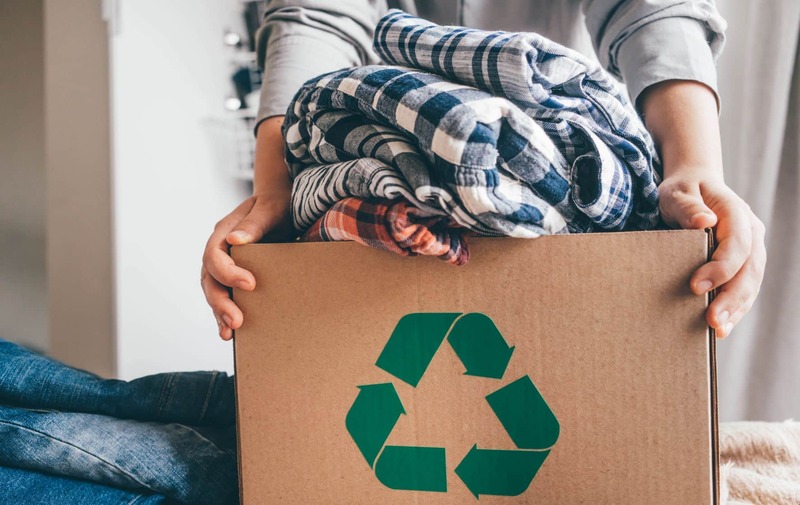
Buy products made from recycled material. Look for the recycling symbol or ask store managers or salesmen. The recycling symbol means one of two things – either the product is made of recycled material, or the item can be recycled. For instance, many plastic containers have a recycling symbol with a numbered code that identifies what type of plastic resin it is made from. However, just because the container has this code does not mean it can be easily recycled locally.
Check collection centers and curbside pickup services to see what they accept, and begin collecting those materials. These can include metal cans, newspapers, paper products, glass, plastics, and oil.
Consider purchasing recycled materials at work when purchasing materials for office supplies, office equipment, or manufacturing.
Speak to store managers and ask for products and packaging that help cut down on waste, such as recycled products and products that are not over-packaged.
Buy products made from material that is collected for recycling in your community.
Use recycled paper for letterhead, copier paper, and newsletters.



























.jpg)












.jpg)











.jpg)