"Dream, Dream, Dream! Conduct these dreams into thoughts, and then transform them into action."
- Dr. A. P. J. Abdul Kalam
"Dream, Dream, Dream! Conduct these dreams into thoughts, and then transform them into action."
- Dr. A. P. J. Abdul Kalam
18 Mar 2026
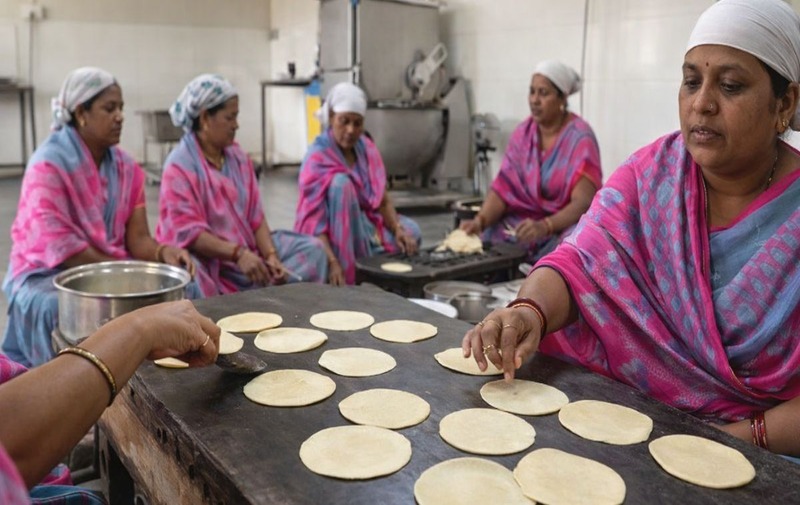
In a remarkable example of innovation meeting sustainability, Prabhat Day Boarding School in Akola has been operating a completely LPG-free kitchen for nearly a decade. Feeding around 1,500 students every single day, the school has adopted a unique “flameless” cooking system that is not only eco-friendly but also efficient, safe, and cost-effective. At a time when rising fuel costs and supply disruptions are affecting households and institutions across the country, this school stands as a quiet yet powerful example of self-reliance and forward thinking.
The backbone of this innovation lies in a biomass-based thermic fluid heating system. Instead of traditional gas stoves, the kitchen uses heated oil that circulates through pipes to cook food. This system eliminates the need for open flames entirely. The process works by burning biomass pellets made from agricultural waste, which heat the thermic fluid. This heated oil then transfers energy to cooking vessels in a controlled and consistent manner. The result is a stable cooking environment with uniform heat distribution, making large-scale meal preparation both efficient and reliable. This approach is not only technologically smart but also environmentally responsible, as it repurposes farm waste that would otherwise go unused or be burned in fields.
What makes this initiative even more impressive is its longevity. Installed nearly ten years ago, the system has continued to function smoothly, demonstrating that sustainable solutions are not just experimental ideas but practical, long-term alternatives. Over the years, the kitchen has consistently prepared meals for thousands of students without relying on LPG cylinders. This independence from commercial fuel sources has shielded the school from price volatility and supply shortages, ensuring uninterrupted service. In many ways, the school anticipated challenges that others are only beginning to face now.
Beyond efficiency and sustainability, the impact of this system is deeply human. Traditional large kitchens are often extremely hot and physically demanding spaces, especially in India’s climate. The constant heat from open flames can make working conditions difficult for staff. However, the absence of open flames in this kitchen significantly reduces ambient temperature, making the space cooler, safer, and more comfortable. This not only improves working conditions but also enhances productivity and well-being. Additionally, the risk of accidents such as gas leaks or cylinder explosions is virtually eliminated. In a setting where safety is paramount, especially when feeding large numbers daily, this innovation brings invaluable peace of mind.
One of the most significant advantages of this system is its contribution to environmental sustainability. By using biomass instead of fossil fuels, the kitchen produces negligible carbon emissions compared to conventional LPG-based cooking. This reduction in emissions plays a small but meaningful role in addressing larger environmental challenges such as air pollution and climate change. It also aligns with India’s broader goals of promoting clean energy and reducing dependence on non-renewable resources. In essence, every meal prepared in this kitchen is not just food for students it is also a step toward a cleaner planet.
What Prabhat Day Boarding School has achieved goes beyond its own campus. It sets an example for schools, colleges, and institutions across India to explore sustainable alternatives in their operations. If replicated on a larger scale, such systems could significantly reduce fuel consumption, lower costs, and contribute to environmental conservation. More importantly, they can inspire a culture of innovation rooted in responsibility. The story of this Akola school is a powerful reminder that the future of sustainability is not something distant it is already here, quietly functioning in places we might least expect. By choosing a path that combines practicality with environmental consciousness, Prabhat Day Boarding School has shown that even everyday systems like a kitchen can become agents of change. As thousands of meals are served daily without a single flame, one thing becomes clear: sometimes, the most impactful revolutions are the ones that happen silently, yet consistently, shaping a better tomorrow.

Romanticizing life and shaping stories from everything I see through my journalistic lens. Also, I love sports on the side.