
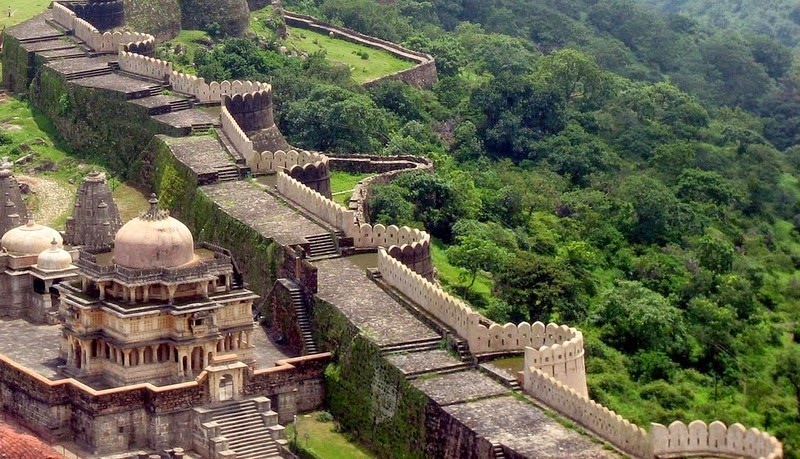
The World’s Second-Longest Wall Is in India— And Hardly Anyone Knows About It!
Deep within the rugged beauty of Rajasthan’s Aravalli Hills stands Kumbhalgarh Fort, one of India’s most spectacular yet underrated heritage destinations. Famous for being home to the world’s second-longest continuous wall after the Great Wall of China, Kumbhalgarh is often lovingly called the “Great Wall of India.”Stretching nearly 36 kilometres across hills, forests, and rocky terrain, the gigantic wall wraps around the fort like a protective shield, creating one of the most extraordinary architectural sights in the country.Despite its immense historical and global significance, Kumbhalgarh remains surprisingly less explored compared to Rajasthan’s more famous tourist spots.A Fortress Built to Defy TimeLocated about 84 kilometres north of Udaipur, Kumbhalgarh Fort was built in the 15th century by legendary Mewar ruler Rana Kumbha. Designed as a powerful military stronghold, the fort occupies a strategic hilltop position that once made it nearly impossible for enemies to conquer.Its massive wall remains the fort’s most astonishing feature. The gigantic structure snakes dramatically through the Aravalli landscape, offering breathtaking views and a glimpse into the brilliance of Rajput engineering.Protected by seven fortified gates, hidden pathways, and strong defensive architecture, Kumbhalgarh became one of the most secure fortresses of medieval India.The Birthplace of Maharana PratapKumbhalgarh is not only an architectural marvel but also a symbol of Rajput courage and pride. The fort is famously known as the birthplace of Maharana Pratap, the legendary warrior king remembered for his resistance against the Mughal Empire.Every corner of the fort carries stories of battles, royal refuge, and survival. Historical accounts also mention that Udai Singh of Mewar once found safety here during a period of political turmoil and assassination threats, highlighting the fort’s role as a sanctuary during dangerous times.The design of the fort is often credited to Mandan, a celebrated architect of Rana Kumbha’s court, whose strategic planning continues to amaze historians and travellers alike.For lovers of history, photography, architecture, and offbeat travel, Kumbhalgarh offers the perfect escape into Rajasthan’s royal past.Why The Great Wall of India Deserves More AttentionRecognised as a UNESCO World Heritage Site in 2013 under the “Hill Forts of Rajasthan” group, Kumbhalgarh is more than just a fort, it is a living reminder of India’s rich heritage and engineering brilliance. Yet many travellers across the world still do not know that India is home to the second-longest wall on Earth.Perhaps that is what makes Kumbhalgarh so special. It feels like discovering a hidden wonder, a place where history, wilderness, and grandeur come together in unforgettable fashion.