
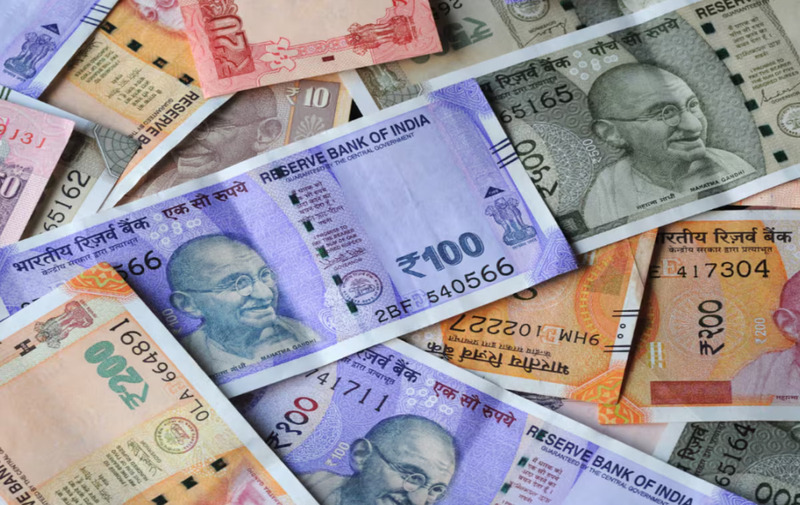
A New Chapter for the Rupee? India Approves Trial of ₹10 and ₹20 Polymer Notes
For decades, Indians have folded them into wallets, tucked them into books, and watched them wear out after countless transactions. Now, the humble ₹10 and ₹20 notes could be on the verge of a major makeover.The Government of India has approved the Reserve Bank of India's (RBI) proposal to introduce polymer banknotes in the ₹10 and ₹20 denominations for field trials, reviving an idea first announced in 2012. The pilot project will involve one billion ₹10 notes and one billion ₹20 notes, with wider circulation to follow if the trials prove successful.However, the government has clarified that this is not a replacement for India's existing paper currency. Polymer notes will circulate alongside traditional notes, offering the country an opportunity to test a technology already embraced by more than 60 nations.A Tougher Note for Everyday UseThe biggest advantage of polymer notes is simple—they last much longer. Unlike conventional Indian banknotes printed on cotton-fibre paper, polymer notes are made from a durable plastic-like substrate that is resistant to moisture, dirt, tearing, and frequent handling. This makes them particularly suitable for low-denomination notes like ₹10 and ₹20, which exchange hands thousands of times before being withdrawn from circulation.International studies cited by the RBI show that polymer notes can remain in circulation two to six times longer than paper notes, significantly reducing the need for frequent replacements. Ironically, while these notes are made from plastic, they could actually help reduce waste.Good for the Economy—and the EnvironmentAccording to The Economic Times, although polymer banknotes cost more to manufacture initially, they require far fewer replacements over time. That means lower printing, transportation, processing, and disposal costs for the country's currency management system.The environmental benefits are equally impressive. According to the International Monetary Fund (IMF), polymer banknotes reduce global warming potential by around 32% and lower primary energy demand by 30% compared to paper currency over their lifecycle. At the end of their use, polymer notes can also be recycled into everyday plastic products instead of ending up in landfills.A Global Trend India Is Finally TestingIndia may be introducing polymer notes now, but the concept has already stood the test of time elsewhere. Australia became the world's first country to issue polymer banknotes in 1988. Today, countries such as Canada, the United Kingdom, New Zealand, Singapore, Malaysia, Thailand, and Vietnam use polymer currency in various denominations because of its durability and enhanced security features.India's latest move signals that it is ready to evaluate whether the same technology can improve its own currency system.Will Plastic Notes Replace Paper Currency?The short answer is no. The government has categorically stated that there is no proposal to phase out existing paper banknotes. The field trial is meant to assess how polymer notes perform under Indian conditions before any decision on larger-scale issuance is taken. Officials also clarified that the move is unlikely to affect India's rapidly growing digital payments ecosystem. Instead, digital payments and physical currency are expected to continue complementing each other.