
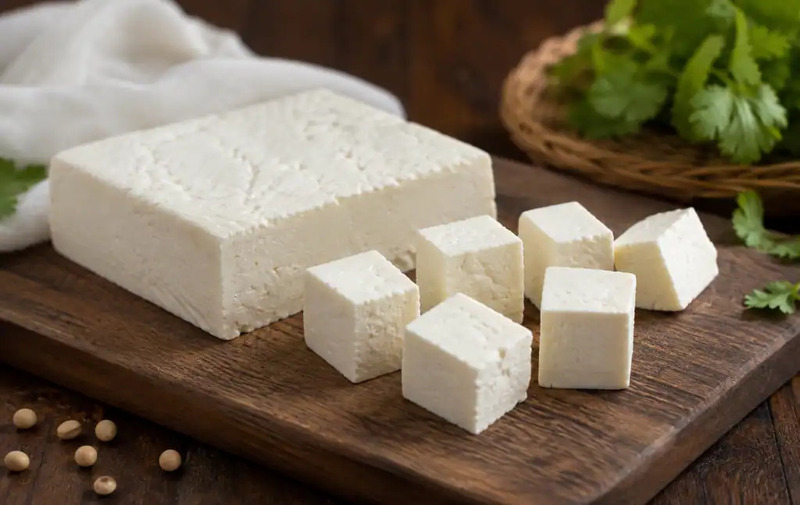
Is It Really Paneer? FSSAI Moves to Crack Down on Dairy Look-Alikes
For many Indian households, paneer is a familiar source of protein and a favourite ingredient in everything from curries to snacks. But not every product that looks like paneer is necessarily made from milk.The Food Safety and Standards Authority of India (FSSAI) has now proposed a change that could make that distinction much clearer. In a draft notification issued on September 23, the food safety regulator proposed restricting manufacturers from using the word “paneer” on the labels, names or advertisements of products made without milk.The proposal covers products currently licensed or registered under the “analogue paneer” category in the dairy context.The Cheaper Look-AlikePaneer analogues are designed to resemble traditional dairy-based paneer in appearance and texture. However, instead of being made primarily from milk, they may contain ingredients such as palm oil, milk powder, starch and emulsifiers. Their lower production cost has made them attractive to some businesses, particularly where price is a major consideration.According to industry representatives cited in the report, genuine paneer can cost around ₹350–500 per kg, while some alternatives cost approximately ₹180–200 per kg. This price gap can be significant for restaurants and food businesses that use paneer in large quantities.What FSSAI Is ProposingUnder the proposed rule, products made from non-milk ingredients would not be permitted to use “paneer” in their product names, labelling or marketing. The move is aimed at preventing consumers from assuming that a product is traditional paneer when it is actually a dairy analogue.However, the proposal is not yet a final rule. FSSAI has invited suggestions and objections for 60 days. Any restriction would come into effect only after the regulatory process is completed and the final rules are notified.Why the Change MattersNutrition experts have also raised concerns about consumers unknowingly replacing milk-based paneer with products containing different combinations of fats, starches and other ingredients.Experts quoted in the report said regular consumption of such alternatives could affect dietary quality, particularly for people with metabolic conditions, while children, older adults and those with existing health concerns may require greater attention to the nutritional composition of foods.At the same time, industry voices point out that affordability is an important part of the discussion. Cheaper alternatives have found acceptance partly because genuine paneer is considerably more expensive.The proposed change therefore goes beyond a name on a packet. It could bring a sharper distinction between traditional dairy paneer and products designed to resemble it, allowing consumers to make that choice with clearer information.