
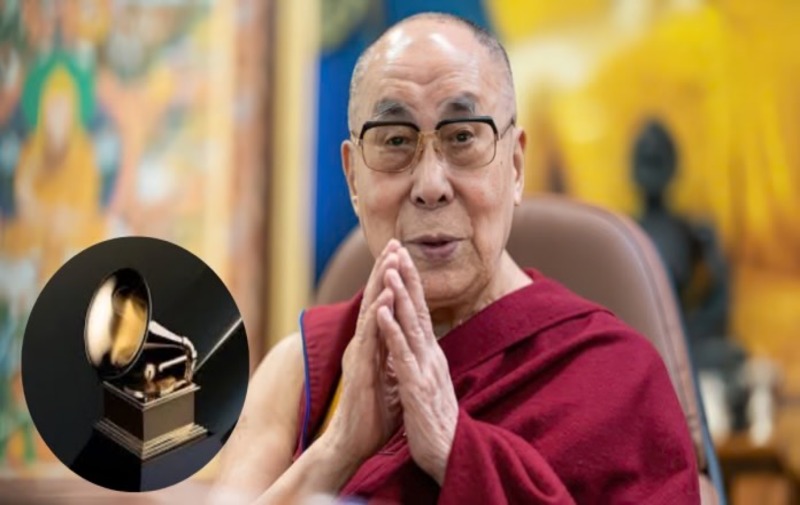
A Grammy for Peace: The Dalai Lama’s Voice Echoes Across the World
In a moment that transcended music, borders and belief systems, the 14th Dalai Lama created history at the 68th Annual Grammy Awards by winning his first-ever Grammy at the age of 90. The global honour came not for a chart-topping song or a musical performance, but for something far deeper and enduring, his spoken-word album Meditations: The Reflections of His Holiness the Dalai Lama. Held in Los Angeles on February 1, 2026, the ceremony saw the Tibetan spiritual leader’s work win in the category of Best Audio Book, Narration & Storytelling Recording, marking a rare and powerful intersection of spirituality, art and global culture.When Wisdom Became the WinnerMeditations: The Reflections of His Holiness the Dalai Lama is not an album in the conventional sense. It is an immersive experience that blends the Dalai Lama’s calm, reflective voice with Indian classical music and global musical traditions. Through spoken reflections, he addresses themes that have defined his life’s work: peace, compassion, kindness, care for the environment and the oneness of humanity. At a time when the world feels increasingly divided, the album’s recognition at one of the most influential cultural platforms felt symbolic. It was not just an award for narration but an acknowledgement of timeless wisdom finding relevance in a modern, fast-moving world.A Historic Win Among Distinguished VoicesThe Dalai Lama’s Grammy victory came in a highly competitive category that included well-known global voices such as Trevor Noah, US Supreme Court Justice Ketanji Brown Jackson, Kathy Garver and Fab Morvan. Yet, his work stood apart for its spiritual depth and universal appeal. Joining other first-time Grammy winners at the 68th edition, including filmmaker Steven Spielberg, the Dalai Lama’s inclusion reinforced the idea that storytelling, in its most profound form, does not always come from fiction or entertainment—but from lived philosophy and moral clarity. A key strength of the album lies in its musical collaboration. Legendary sarod maestro Amjad Ali Khan, along with his sons Amaan Ali Bangash and Ayaan Ali Bangash, worked closely on the project. Their Indian classical compositions gently frame the Dalai Lama’s spoken reflections, creating an atmosphere of stillness, introspection and emotional resonance.Acceptance with Humility, Not CelebrationThe Grammy was accepted on the Dalai Lama’s behalf by musician Rufus Wainwright, but the message from the spiritual leader himself was clear and deeply characteristic. Reacting to the honour, he said he did not see it as a personal achievement but as a recognition of “our shared universal responsibility.” In his words, the award was a reminder that peace, compassion, environmental care and understanding the oneness of humanity are essential for the well-being of all eight billion people on the planet. The Grammy, he believed, could help carry these messages further, beyond spiritual gatherings and into everyday global consciousness.Why This Grammy Matters Beyond MusicThis Grammy win is significant not because it adds another accolade to an already extraordinary life, but because of what it represents. In an industry dominated by commercial success and fleeting trends, a spoken-word album rooted in meditation and compassion has found global recognition. It signals that audiences are still listening for calm, for wisdom, for meaning. It also shows that age is no barrier to relevance. At 90, the Dalai Lama’s voice continues to travel farther than ever, now reaching listeners through playlists and headphones around the world.A Legacy That Continues to EvolveAs calls in India grow for the Dalai Lama to be honoured with the Bharat Ratna, and as global institutions continue to recognise his contributions to peace, this Grammy adds a new chapter to his legacy, one that connects ancient wisdom with contemporary culture. In winning a Grammy at 90, the Dalai Lama has not only entered a new record book, but he has gently reminded the world that the most powerful messages are often the quietest ones.