
UN Observes Second World Meditation Day, Emphasising Inner Peace and Global Harmony
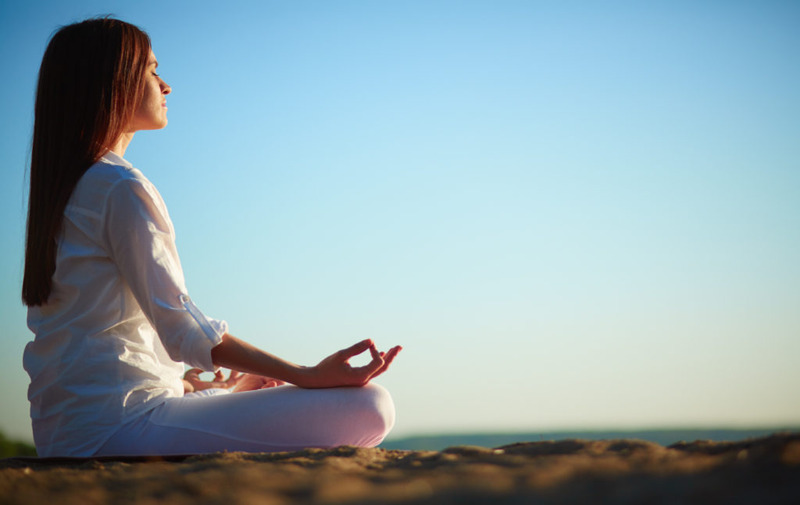
At a time when the world faces rising conflicts, climate stress and growing mental health challenges, the United Nations marked World Meditation Day on 21 December, underscoring the importance of inner peace as a foundation for global harmony.Ahead of the observance, a high-level event was held on 19 December at the Trusteeship Council Chamber at UN Headquarters in New York, bringing together diplomats, spiritual leaders, scholars, scientists and civil society members for a meaningful blend of reflection and dialogue. The commemoration builds on the UN General Assembly’s decision last year to designate 21 December as World Meditation Day, recognizing meditation as a universal practice that promotes well-being, balance and sustainable peace.Meditation for Inner Peace and Global HarmonyThe event, themed “Meditation for Inner Peace and Global Harmony,” was organized by the Permanent Mission of India, in collaboration with a core group of member states that championed the resolution.Renowned spiritual leader Gurudev Sri Sri Ravi Shankar delivered the keynote address and led a guided meditation session, offering participants a shared experience of mindfulness and calm. Speakers from diverse cultural and professional backgrounds reflected on how meditation fosters clarity, compassion and resilience—qualities essential for navigating today’s complex global landscape.India’s Permanent Representative to the UN, Harish Parvathaneni, emphasized that global transformation begins with individual transformation, echoing the idea that inner peace can translate into more harmonious societies.Why Meditation Matters TodayMeditation is an ancient practice rooted in religious, yogic and secular traditions across cultures. At its core, it involves training the mind through mindfulness, focused attention or awareness to achieve mental clarity, emotional balance and physical relaxation.Today, meditation has transcended its spiritual origins to become a widely accepted tool for managing stress, anxiety and emotional fatigue. Research increasingly highlights its role in improving focus, enhancing sleep quality, reducing blood pressure and supporting overall mental health. With the rise of digital platforms and mobile applications, meditation has also become more accessible than ever before.A Symbolic Date of ReflectionThe choice of 21 December, which coincides with the Winter Solstice in the Northern Hemisphere, carries symbolic significance—a natural pause that invites reflection, renewal and inner stillness. Positioned six months after the International Day of Yoga on 21 June, World Meditation Day complements global efforts to promote holistic well-being.Meditation has long held a symbolic place at the UN. The Meditation Room at UN Headquarters, established in 1952, stands as a reminder of the need for silence and introspection in a space dedicated to diplomacy and debate. Often described as a “room of quiet,” it underscores the belief that peace must be cultivated both outwardly and within.Inner Peace, Sustainable FuturesWorld Meditation Day aligns closely with the UN’s commitment to Good Health and Well-Being, one of the core Sustainable Development Goals. Mental health is recognized as a fundamental human right and a cornerstone of inclusive and resilient societies.As the Second World Meditation Day is observed across the globe, the message is clear: nurturing inner peace is no longer a personal pursuit alone, but a collective responsibility. In a fractured world, meditation offers a shared language of calm, reminding humanity that sustainable peace begins within.