Colours, Culture & Celebration: Inside the Grand Spectacle of Thrissur Pooram
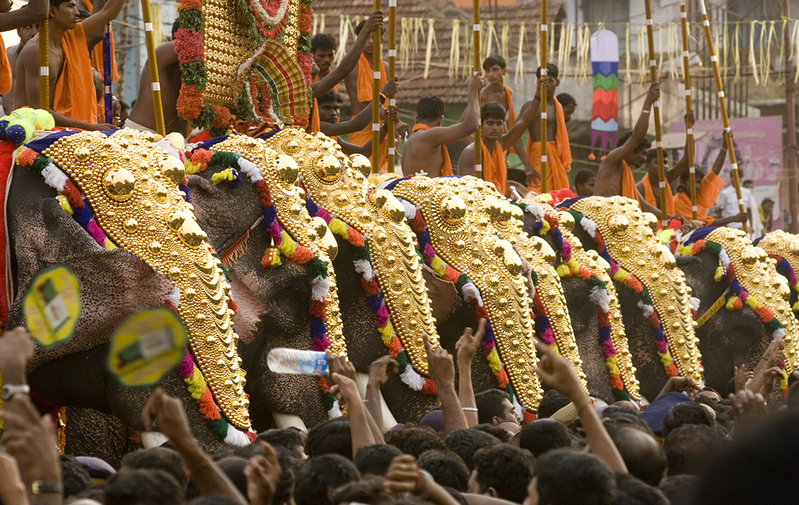
As the summer sun rises over the temple town of Thrissur, something extraordinary begins to unfold. The air slowly fills with the deep rhythm of drums, the majestic presence of decorated elephants, and the excitement of lakhs of people gathering for a celebration like no other. Thrissur Pooram is often called the “mother of all poorams,” and for good reason it is one of the largest and most vibrant temple festivals in India and even Asia. But beyond the grandeur and spectacle lies a deeper meaning—a story of unity, devotion, and a powerful response to exclusion that turned into a timeless tradition.The Meaning Behind Thrissur PooramThe word “Pooram” refers to a star in the Malayalam calendar, and the festival is celebrated on the day when the moon aligns with this star in the month of Medam. Spiritually, Thrissur Pooram is considered a “meeting of gods” or Deva Sangamam, where different temple deities come together to pay homage to Lord Shiva at the sacred Vadakkunnathan Temple. This gathering symbolizes harmony and equality. Regardless of the temple they belong to, all deities are welcomed equally, reflecting a deeper message that divinity transcends boundaries, and unity is the true essence of faith.Why the Festival BeganThe origin of Thrissur Pooram dates back to the late 18th century and is closely linked to Sakthan Thampuran, the visionary ruler of Cochin. Before this festival began, the most prominent celebration in the region was the Arattupuzha Pooram. However, in 1796, due to heavy rains, several temples from Thrissur arrived late and were denied entry into the procession. This moment of exclusion deeply affected the temple authorities and devotees. When they approached Sakthan Thampuran, he did not just see it as a complaint—he saw it as an opportunity to create something greater. In response, he established Thrissur Pooram, inviting all temples to participate equally in a grand celebration centered around the Vadakkunnathan Temple. Thus, the festival was born out of a desire to ensure inclusivity and dignity, turning disappointment into one of the most iconic cultural events in India.A Celebration Crafted with DevotionOne of the most unique aspects of Thrissur Pooram is that everything used in the festival is made fresh every year. From the beautifully crafted umbrellas used in Kudamattam to the golden caparisons known as nettipattam, each element is created with precision and devotion. The festival begins with Kodiyettam, the ceremonial flag hoisting, marking the start of a week-long celebration. From that moment, the city transforms into a living stage of culture, tradition, and anticipation.The Heart of the Festival: Music, Elephants, and KudamattamAs Pooram day arrives, the celebrations reach their peak. Majestic elephants, decorated with golden ornaments and colorful accessories, line up in grandeur. The rhythmic beats of Panchavadyam and the powerful Ilanjithara Melam create an atmosphere that is both electrifying and spiritual. One of the most iconic moments is Kudamattam—the rhythmic exchange of vibrant silk umbrellas atop rows of elephants from the Paramekkavu Bhagavathi Temple and Thiruvambadi Sri Krishna Temple. This visual spectacle is not just about color and coordination it represents friendly competition, creativity, and artistic excellence. For the crowd watching below, it is a moment of pure joy, where tradition meets celebration in the most beautiful way.Fireworks That Light Up More Than the SkyNo description of Thrissur Pooram is complete without its world-famous fireworks. From the sample fireworks to the grand early morning display, the sky above Thrissur becomes a canvas of light and sound. People stay awake all night, waiting for that breathtaking moment when the darkness is broken by dazzling explosions of color. These fireworks are not just entertainment—they are a symbol of celebration, marking the triumph of unity and shared joy. What truly makes Thrissur Pooram special is its human connection. Though it is rooted in Hindu tradition, the festival is attended and celebrated by people from all religions and communities. It becomes a time when differences fade, and everyone comes together as one. Families open their homes to guests, strangers become friends, and the entire city shares a spirit of hospitality. For many, attending Pooram is not just about witnessing an event; it is about feeling a sense of belonging.More Than a FestivalOver the years, Thrissur Pooram has grown into a cultural symbol of Kerala. It attracts over a million visitors, including tourists from around the world. Its sounds, captured even by Oscar-winning sound designer Resul Pookutty, reflect the richness of its traditions. But at its core, the festival remains deeply human. It is about resilience, born from a moment of rejection. It is about unity, bringing together temples and people. And it is about celebration, where devotion is expressed through music, art, and joy. It reminds us that even in moments of division, something beautiful can be created. That traditions can unite rather than divide. And that when people come together with devotion and joy, they can create magic that lasts for generations.