
Protecting Yaks, Supporting Herders: Sikkim Hosts Its First-Ever Yak Festival
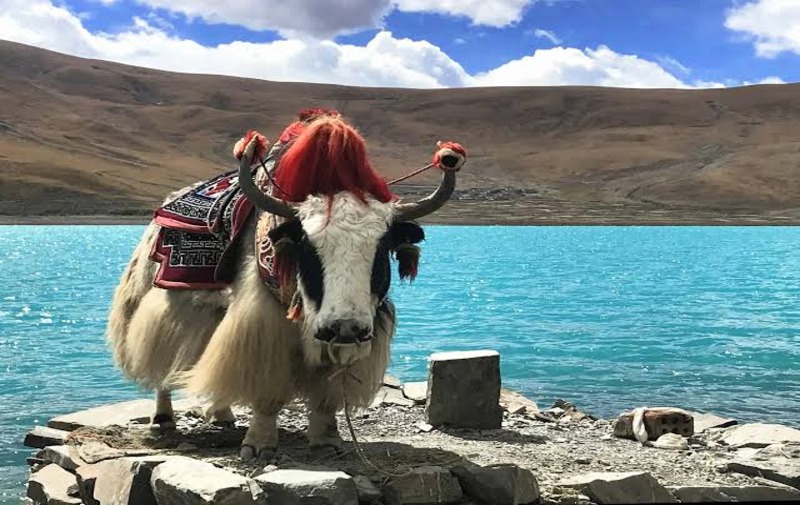
What happens when an animal that has sustained Himalayan communities for generations begins to lose its place in their lives? Sikkim is trying to find an answer with its first-ever Himalayan Yak Festival, bringing together around 400 to 500 yaks in Gnathang Valley near the India-China border. More than a celebration of these hardy mountain animals, the festival is an effort to protect a declining yak population, support local herders and keep a centuries-old tradition alive for future generations.Organised by the state’s Animal Husbandry and Veterinary Services Department, the festival aims to conserve the yak population, promote tourism in high-altitude regions and support the herders whose lives depend on these hardy mountain animals.Despite the harsh weather and challenging terrain, preparations continued for a week. Around 400 to 500 yaks gathered at the venue, alongside stalls showcasing yak-based products and advances in artificial insemination for yak breeding.Can Yak Herding Find a New Generation?Beyond the gathering, the festival carries a larger hope: bringing young people back to a traditional occupation that is struggling to remain economically viable. Thupden Lachungpa, an executive member of the Yak Federation of India, said many young people had been moving away from yak rearing because it offered limited financial returns. He believes initiatives like this festival can renew interest in the profession and encourage younger generations to carry the tradition forward.For communities living in remote Himalayan villages, yak herding is more than an occupation. It is closely connected to their culture, way of life and survival in difficult mountain conditions.Protecting Yaks, Supporting HerdersThe festival also provides a platform for herders from different states to exchange knowledge about animal care, breeding practices and their shared cultural heritage. Greater coordination between states could prove particularly useful in responding to disease outbreaks among yaks.Gnathang-Machong MLA Pamin Lepcha highlighted the need for continued government support for herders in these challenging border regions. Measures such as purchasing yak-based products and offering incentives to herders could help improve incomes while encouraging conservation.The declining yak population, particularly in parts of Sikkim near the Chinese border, has added urgency to these efforts. Organisers hope the festival will become an annual event, bringing greater attention to an animal that plays an important role in Himalayan life.By combining conservation, tourism and livelihood support, Sikkim’s first Yak Festival offers a fresh way to celebrate the region’s natural and cultural heritage. Its long-term success, however, will depend on whether it can make yak rearing more sustainable and attractive for future generations.