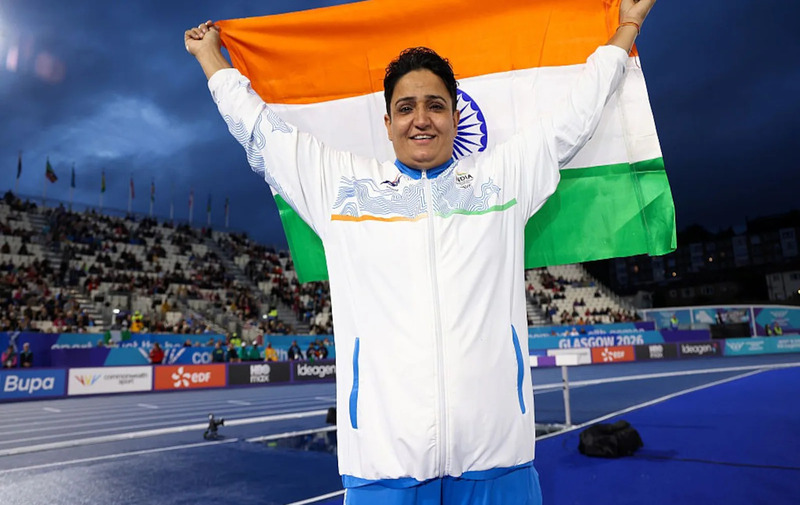
Sharmila Dhankar Wins India's First Commonwealth Para-Athletics Gold
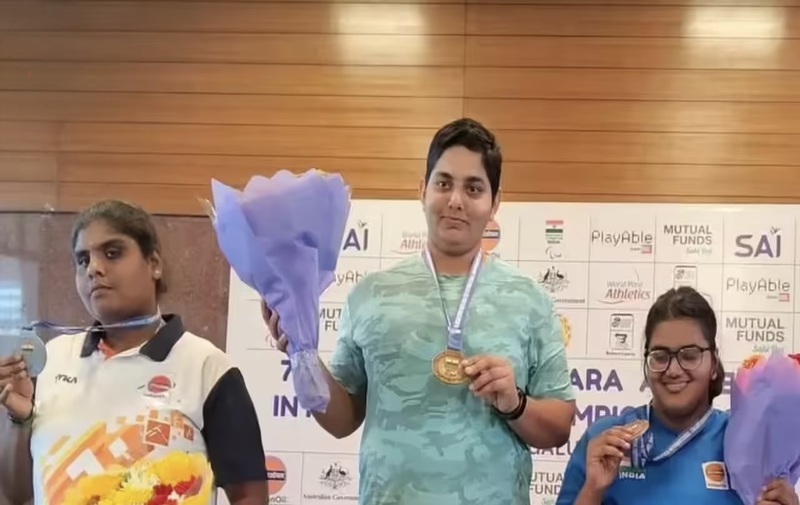
There are victories measured in metres, medals, and records. Then there are victories measured in survival.When Sharmila Dhankar launched the shot to a season-best 9.81 metres in Glasgow, it wasn't just enough to win the women's F57 shot put gold medal at the 2026 Commonwealth Games. It ended India's 20-year wait for a para-athletics medal, earned the country its first-ever Commonwealth Games para-athletics gold, and quietly reminded the world that some of the strongest people are the ones life tried hardest to silence.The irony couldn't be more striking. Years ago, society told Sharmila she wasn't enough. Today, that same woman has become more than enough for an entire nation.From Despair to DestinyBorn in Chitrauli village in Haryana, Sharmila contracted polio when she was just two years old, leaving one of her legs affected. But her biggest battles were not against disability—they were against prejudice, violence, and hopelessness.Married at just 18, she endured years of physical and emotional abuse over dowry demands and for giving birth to two daughters. At 26, after another brutal assault, she was forced out of her home. Carrying her daughters, she returned to her parents with little more than shattered dreams. She has openly spoken about battling suicidal thoughts during those dark years.Yet life had one more chapter waiting. At 28, she married Ajit Singh, who saw not her limitations, but her potential. After reading about para-athletics in a newspaper, he encouraged her to take up the sport. Believing in her dream so deeply, the family even sold their house in 2023 to support her training.Starting at 34. Winning at 40.Most athletes dream of international glory from childhood. Sharmila began her athletics journey only at the age of 34. While many believe success has an age limit, she quietly proved otherwise. Within a few years, she became India's national champion in the F57 seated shot put category. Now, at 40, she has achieved what no Indian para-athlete had managed before at the Commonwealth Games. Her gold medal is more than a sporting achievement, it is a victory over every voice that ever told her she couldn't.A Golden Day for IndiaSharmila's triumph headlined one of India's finest days at the Glasgow Commonwealth Games.High jumper Sarvesh Kushare soared to a silver medal, clearing 2.25 metres before narrowly missing gold. Weightlifters Valluri Ajaya Babu and Gyaneshwari Yadav added two more silvers, with Ajaya Babu finishing heartbreakingly just one kilogram short of gold in the men's 79kg event.The drama continued when para shot putter Shilpa Shyla was elevated to a bronze medal following a successful protest and review, adding another memorable chapter to India's campaign.By the end of the day, India had collected 10 medals—2 gold, 5 silver and 3 bronze—cementing its place among the standout performers in Glasgow.Some Medals Weigh More Than GoldEvery medal has a story. Some begin in elite academies and world-class training centres. Sharmila's began in pain, sacrifice, and unimaginable resilience. Perhaps that is why her gold shines differently.For every woman who has ever been told she cannot dream because of her circumstances... for every person living with a disability who has been underestimated... for every parent who has sacrificed everything for their child's future... Sharmila's victory belongs to them too.In a world that often celebrates overnight success, her journey reminds us that the strongest champions are forged not by comfort, but by courage. And as India's tricolour rose in Glasgow, it wasn't just celebrating a champion. It was honouring a survivor who refused to let her past define her future.