
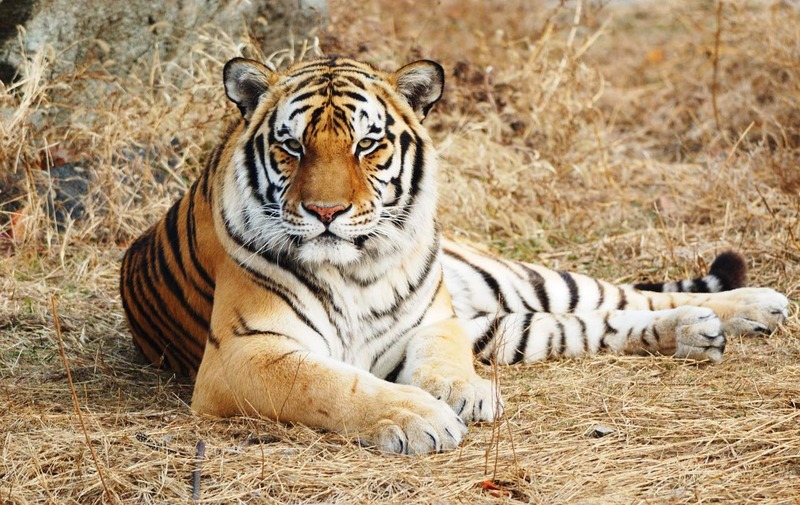
World Tiger Day: India Leads the World in Tiger Conservation, Home to Nearly 70% of the Planet's Wild Tigers
As the world marks International Tiger Day on July 29, India has every reason to celebrate. Home to nearly 70 per cent of the world's wild tigers, the country has emerged as the undisputed global leader in tiger conservation, setting an inspiring example of how sustained efforts can bring a species back from the brink.What was once a story of declining tiger numbers has transformed into one of the world's greatest wildlife conservation successes. Today, India's forests echo with the roar of a growing tiger population, reflecting decades of commitment, innovation and collaboration.Prime Minister Narendra Modi, while extending greetings on World Tiger Day, reaffirmed India's dedication to science-based conservation, community participation and sustainable development, saying the country remains steadfast in protecting its national animal and its natural habitats.From Crisis to Conservation ChampionInternational Tiger Day was established in 2010 during the Saint Petersburg Tiger Summit in Russia, where 13 tiger-range countries pledged to double the global wild tiger population. At the time, only around 3,200 wild tigers were estimated to remain across the globe.Today, that number has climbed to approximately 5,711, representing an increase of nearly 78 per cent—a remarkable milestone in global wildlife conservation. India has played the leading role in that recovery.Through landmark initiatives such as Project Tiger, strengthened wildlife protection laws, anti-poaching measures, habitat restoration and advanced scientific monitoring, the country has consistently increased its tiger population while protecting critical forest ecosystems.The People Behind the RoarBehind every thriving tiger reserve stands an army of dedicated individuals. Prime Minister Modi acknowledged the tireless efforts of forest personnel, scientists, conservationists and local communities, whose work has been instrumental in safeguarding India's tiger population.From patrolling dense forests and monitoring tiger movements using cutting-edge technology to reducing human-wildlife conflict and restoring habitats, these unsung heroes have helped create one of the world's most successful conservation models.Vice President C. P. Radhakrishnan and Union Environment Minister Bhupendra Yadav also lauded India's achievements.India's success extends beyond protecting a single species. Healthy tiger populations indicate thriving forests, balanced ecosystems and secure habitats that support countless other plants and animals. The country's conservation strategy has demonstrated that wildlife protection and sustainable development can move forward together.