Born With a Physical Disability, This High Jumper Is Now Set to Receive the Padma Shri
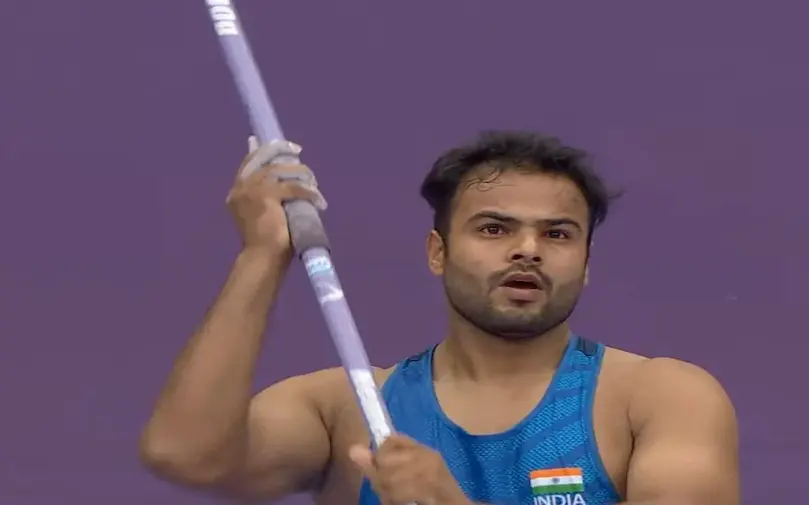
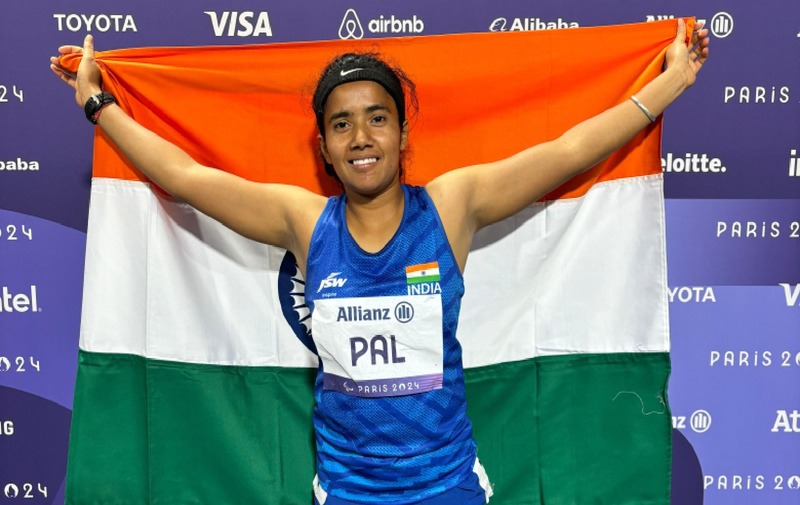
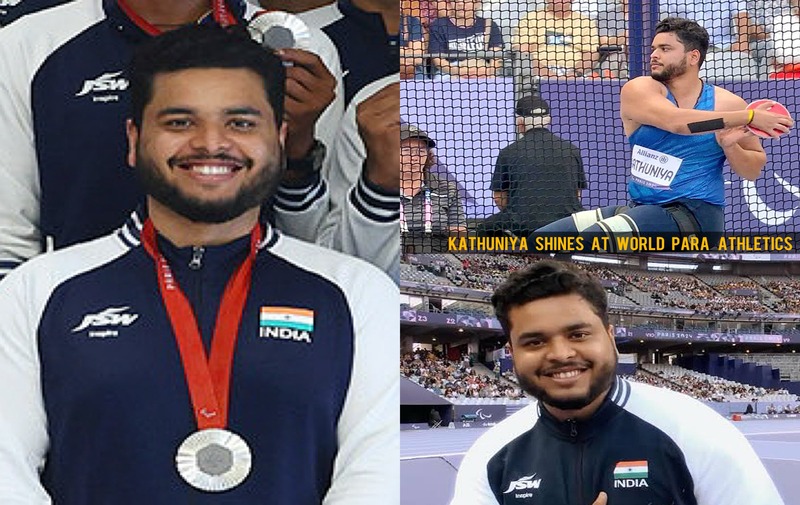
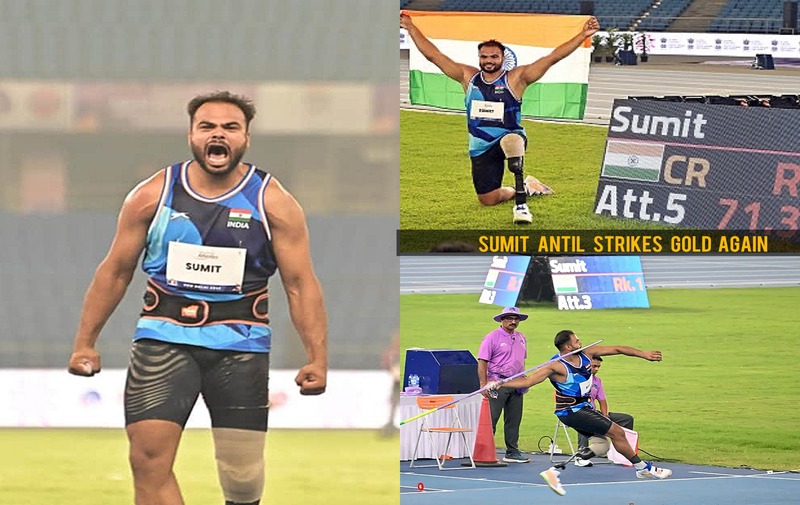
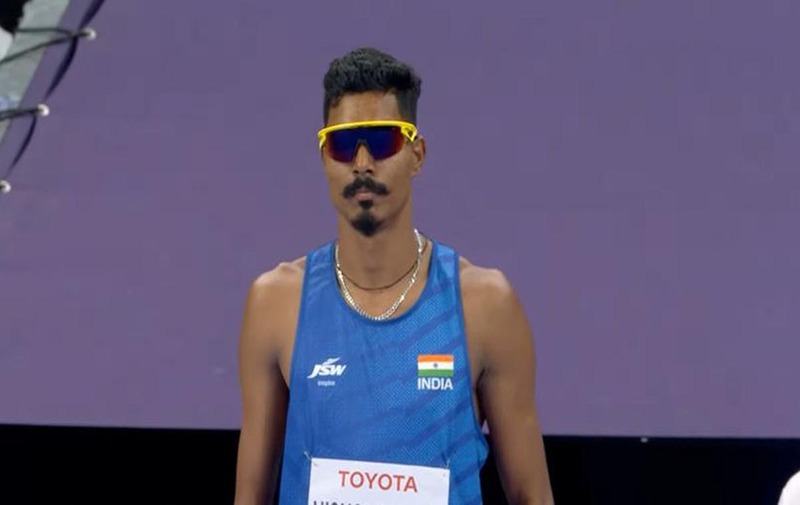
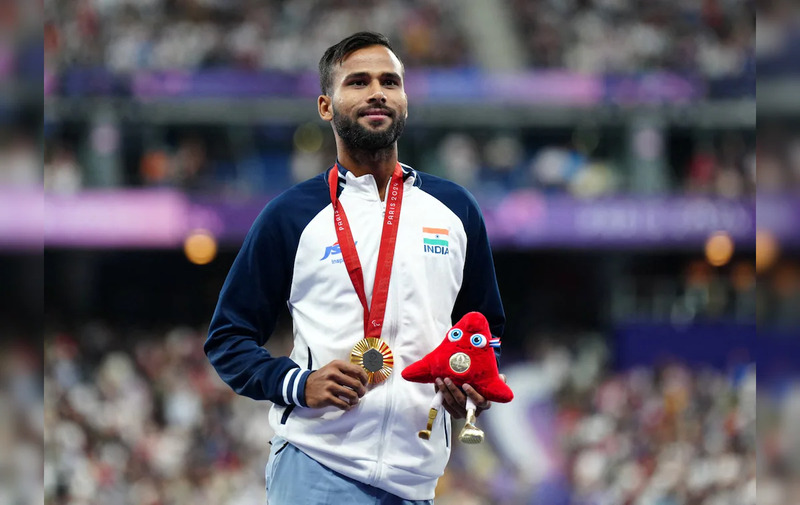
India’s sporting journey continues to script inspiring stories, and this time the spotlight shines brightly on Praveen Kumar, the young para-athlete whose determination has taken him from school grounds to the world stage. The Paralympic gold medalist will receive the prestigious Padma Awards 2026 honour during the first Investiture Ceremony at Rashtrapati Bhavan on May 25, where Droupadi Murmu will present the civilian awards.The Padma Shri, one of India’s highest civilian honours, recognises Praveen’s remarkable contribution to sports and his inspiring rise in international para athletics. A Journey That Began With ChallengesBorn with a physical disability in 2003, Praveen Kumar’s path to greatness was never easy. During his school years, he initially played volleyball before discovering his passion for high jump. His teacher reportedly hesitated to allow him to compete because of concerns surrounding his leg condition.But Praveen refused to let limitations define him. Instead of stepping back, he stepped higher. He competed in the able-bodied category during his early days and stunned everyone by winning gold. That fighting spirit would soon carry him to the world’s biggest sporting arenas.From Paralympic Silver to Historic GoldPraveen first captured national attention at the 2020 Summer Paralympics, held in 2021, where he clinched silver in the men’s high jump T64 event. The achievement earned him the prestigious Arjuna Award in 2021 and marked the beginning of an extraordinary international career.At the 2024 Summer Paralympics, he delivered the performance of his life, soaring to a personal-best jump of 2.08 metres to win Paralympic gold. The victory not only established him as the world No. 1 para high jumper but also cemented his place among India’s finest athletes.In January 2025, he was honoured with the Major Dhyan Chand Khel Ratna, India’s highest sporting award.Breaking Barriers Beyond SportsThe Ministry of Home Affairs praised Praveen’s journey, highlighting how his achievements have helped bridge the gap between para sports and able-bodied athletics. Over the years, Praveen has won medals at the Paralympic Games, World Championships, and Asian Para Games while setting multiple Asian records.But perhaps his biggest contribution lies beyond medals. His journey has challenged stereotypes around disability and inspired a new generation of athletes to dream fearlessly. In stadiums across the world, Praveen has shown that strength is not measured by physical limitations but by determination, discipline, and belief.The Significance of the Padma ShriThe Padma Awards are among India’s highest civilian honours that recognise exceptional contributions across fields including sports, literature, medicine, science, social work, education, and public affairs.For Praveen Kumar, the Padma Shri is more than a personal milestone. It is recognition of a larger movement, one where para-athletes are finally receiving the respect, visibility, and celebration they deserve. As he prepares to walk into Rashtrapati Bhavan to receive the honour, Praveen represents much more than athletic excellence. He represents proof that no obstacle is greater than the courage to rise above it.