
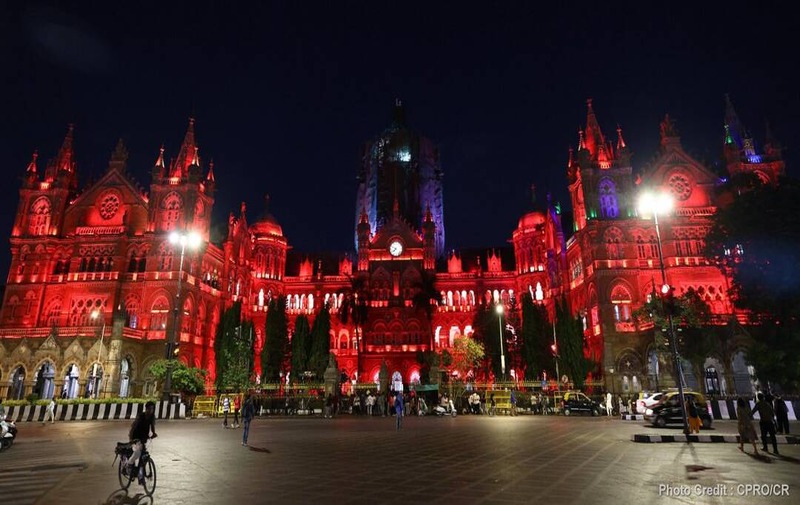
Mumbai’s Iconic CSMT Glows Red for Menstrual Hygiene Day
On the eve of Menstrual Hygiene Day 2026, Mumbai’s iconic Chhatrapati Shivaji Maharaj Terminus (CSMT) transformed into a glowing red symbol of awareness and solidarity. The heritage railway station, one of India’s busiest public landmarks, illuminated the city skyline with a bold message — menstruation is normal, and menstrual hygiene is a right, not a privilege.Observed every year on May 28, Menstrual Hygiene Day aims to break the silence surrounding menstruation and advocate for a world where no one’s opportunities are limited because they menstruate. This year’s theme, "Together for a #PeriodFriendlyWorld", echoed powerfully through the symbolic lighting at CSMT.The initiative, organised in collaboration with Central Railway and social impact platform Ujaas, turned the historic structure into more than just a monument, it became a public call for dignity, awareness, and equality.Bringing Conversations Into Public SpacesFor decades, menstruation has remained hidden behind stigma, myths, and discomfort despite being a natural biological process. The red illumination at CSMT sought to challenge that silence in one of the country’s busiest public spaces, visited by millions every day.The campaign also featured engaging public activities aimed at encouraging open discussions around menstrual health and hygiene. One of the most talked-about installations, “Trash Out the Myths,” invited participants to identify and discard common misconceptions associated with menstruation. Another interactive activity, “Period Pulse,” encouraged commuters to exchange views and assess awareness levels around menstrual hygiene management.Meanwhile, the “Period Rights Map” became a symbolic wall of support where people expressed their commitment towards accessibility, inclusivity, dignity, and awareness in schools, workplaces, and communities.By taking these conversations beyond classrooms and healthcare centres and placing them in the middle of a bustling railway terminus, organisers hoped to normalise discussions around periods in everyday life.Why Menstrual Hygiene Still MattersDespite growing awareness, menstrual hygiene remains a major challenge for millions of women and girls across India and the world. Poor menstrual hygiene is often linked to a lack of proper information, limited access to affordable sanitary products, inadequate sanitation facilities, and deep-rooted taboos surrounding menstruation. These challenges continue to affect girls’ education, health, confidence, mobility, and overall quality of life.According to national data, nearly one in four young women in India still lacks access to hygienic menstrual products and safe menstrual practices. Studies have also shown that many adolescent girls are unaware of menstruation before experiencing their first period.The impact is even more severe in underserved communities and urban informal settlements, where privacy, sanitation, and affordability remain daily struggles. Research suggests that school absenteeism during menstruation can reach nearly 38% in some urban settlements, underlining the urgent need for awareness and support systems.Menstrual health is increasingly being recognised as an issue connected to dignity, equality, education, and public health. This growing momentum received a major boost when the Supreme Court of India acknowledged menstrual health and hygiene as intrinsically linked to fundamental rights guaranteed under Articles 14, 15, and 21 of the Constitution — including the rights to equality, dignity, education, and health.Campaigns like the one at CSMT reflect this changing narrative. They signal a shift from whispering about periods to discussing them openly and confidently in mainstream spaces.Lighting the Way Towards a #PeriodFriendlyWorldCSMT has often illuminated its iconic façade for important social causes, but this year’s red glow carried a particularly human message — that no girl or woman should feel shame, isolation, or disadvantage because of menstruation.As Mumbai paused to witness the heritage landmark bathed in red, the campaign served as a reminder that meaningful change begins with conversations. And sometimes, a city’s brightest lights can help illuminate society’s most ignored realities.