Ladakh’s Snow Leopard Safari Ranks Among the World’s Best Wildlife Experiences
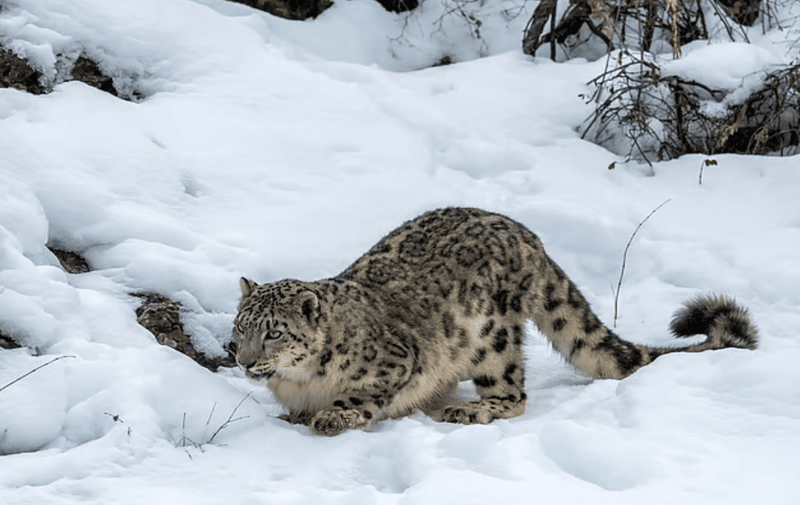
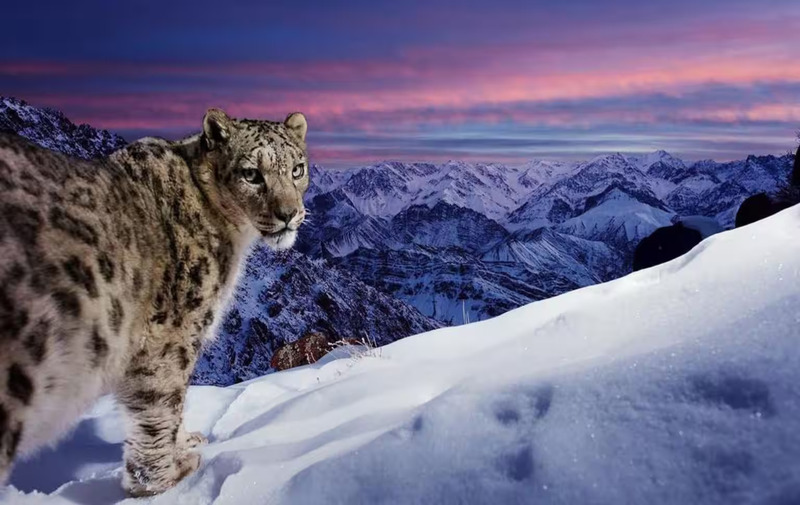
Imagine scanning a vast, snow-covered Himalayan ridge when a magnificent big cat suddenly appears, its pale coat blending almost perfectly with the rocky terrain. This is the thrill of tracking the snow leopard, one of the most elusive animals on Earth, in the breathtaking landscapes of Ladakh.Often called the “Ghost of the Mountains”, the snow leopard is a rare sight even for seasoned wildlife enthusiasts. Now, the chance to spot this extraordinary predator has earned Ladakh international recognition. Its snow leopard tracking experience has been ranked fourth among the world's top wildlife encounters by the Wildlife Experience Index, compiled by luxury travel company Bailey Robinson.Scoring 85.5 out of 100, the experience was assessed on six factors, including remoteness, conservation importance and exclusivity. It ranked alongside some remarkable wildlife adventures, including mountain gorilla trekking in Rwanda and Uganda, emperor penguin expeditions in Antarctica, and saiga antelope tracking in Kazakhstan.A New Way to Explore Ladakh's WildernessAdding to the excitement, the administration has launched India's first-ever High-Altitude Wildlife Safari in Ladakh. The initiative aims to help visitors discover the region's unique wildlife while supporting local communities and reducing harmful off-roading.Initially, the safari will cover identified areas such as Rumbak, Shang and Uley. Visitors can explore designated routes in specially designed open-back vehicles, accompanied by trained local drivers and wildlife guides. By regulating vehicle movement and encouraging responsible tourism, the initiative seeks to make wildlife encounters more sustainable.Where to Look for Snow LeopardsLadakh offers several promising locations for those hoping to glimpse the elusive cat.Hemis National Park, particularly Rumbak Valley, is among India's best-known snow leopard tracking destinations. In Uley Valley, experienced local spotters help visitors scan the rugged slopes for signs of the animal.Beyond Ladakh, the Trans-Himalayan landscapes of Himachal Pradesh offer more opportunities. Kibber Wildlife Sanctuary and Pin Valley National Park in Spiti are known for snow leopard habitat, where tracking expeditions combine wildlife exploration with dramatic cold-desert scenery. Changthang Wildlife Sanctuary in Ladakh is another important habitat, supporting diverse high-altitude species.A Wildlife Paradise Beyond the Snow LeopardThere is much more to Ladakh than its famous big cat. According to the Union Territory administration, the region supports over 38 mammal species, 340 bird species and approximately 1,800 vascular plant species.India's first nationwide Snow Leopard Population Assessment, released in January 2024, estimated 718 snow leopards across the country, including 477 in Ladakh. These numbers underline the region's importance for conserving this threatened mountain predator and its fragile habitat.Plan for the AdventureWinter, generally from November to March, is a popular period for snow leopard tracking, although sightings are never guaranteed. Travellers should allow time to acclimatise to the altitude, carry suitable winter clothing and travel with experienced local guides.Follow designated routes and maintain a respectful distance from wildlife. After all, the real magic of Ladakh lies not just in spotting a snow leopard, but in experiencing a wilderness where every ridge holds a possibility and every quiet moment brings you closer to nature.