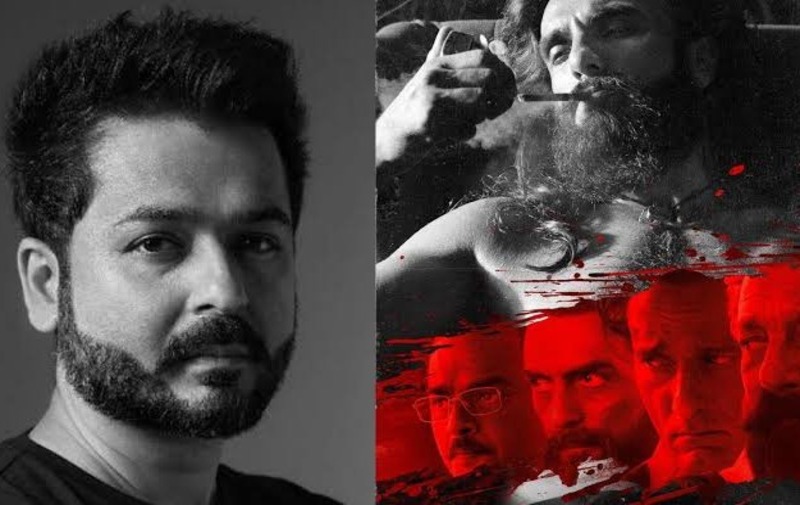
Aditya Dhar & DhuranDHAR: The Genius That Took Cinema by Storm
When Dhurandhar hit theatres, it quickly became impossible to ignore. Audiences across India and abroad were not just watching the film, they were talking about it. Praises poured in for its sharp direction, tightly controlled narrative, engaging screenplay, and immersive cinematic experience. From the way tension is built scene by scene to the seamless flow of action and emotion, the film reflects a rare combination of technical precision and creative vision. As the box office numbers climb and the global recognition grows, the conversation inevitably turns to the man behind the camera, Aditya Dhar, a filmmaker whose rise to this point has been marked by persistence, struggle, and a dedication to storytelling that began long before he ever stepped into the spotlight.Early Life and Challenges That Shaped HimAditya Dhar was born on March 12, 1983, into a Kashmiri Pandit family in Delhi. While his early environment nurtured his cultural roots, it also presented personal challenges. Dhar struggled with dyslexia, a condition that made reading and writing laborious and slow. In school, conventional academics were never his strength, but his creative instincts and narrative thinking shone through. He gravitated toward storytelling and theatre, finding a natural outlet for his imagination in ways that traditional education could not measure. This early confrontation with difficulty taught him resilience and patience, traits that would define his approach to filmmaking. Even as a child, Dhar was learning that mastery required effort, that every story demanded attention, and that persistence could compensate for what might seem like innate disadvantage.Years of Learning, Rejections, and BreakthroughIn 2006, Dhar moved to Mumbai with aspirations of working in the film industry. Without familial connections or industry backing, he faced the steep uphill challenge familiar to many outsiders. For years, he worked as an assistant director, contributing to films like Aakrosh and Tezz, often without receiving public acknowledgment for his contributions. The early years were filled with repeated rejections, long waits, and instances where his talent could have been easily overlooked. Yet Dhar remained consistent. He observed, learned, and honed his craft, understanding the nuances of storytelling, direction, and production. He also believed deeply in the intelligence of the audience, holding on to the idea that if a story is told well, viewers would notice. That combination of persistence, craft, and understanding of audience sensibility laid the foundation for the breakthrough that was to come.From URI to Dhurandhar: A Journey of Patience The breakthrough arrived in 2019 with URI: The Surgical Strike, Dhar’s directorial debut. The film was an instant success, both commercially and critically, and earned him the National Film Award for Best Director. It marked the moment when years of learning, patience, and persistence came together. Building on that momentum, Dhar took on Dhurandhar, a project that demanded a larger scale, tighter storytelling, and careful orchestration of narrative and visuals. The film’s success across domestic and international markets reflects not only his technical skill but also his ability to connect with audiences on a larger emotional level. With Dhurandhar 2 already in development, Dhar is solidifying his position as a filmmaker capable of balancing scale, story, and engagement. Beyond cinema, Dhar is married to actress Yami Gautam, and the couple welcomed their son in 2024, showing that his personal and professional journeys continue to grow in parallel. From a dyslexic child facing academic struggles to a filmmaker whose work is celebrated worldwide, Aditya Dhar’s story is one of resilience, vision, and the rewards of unwavering dedication.