
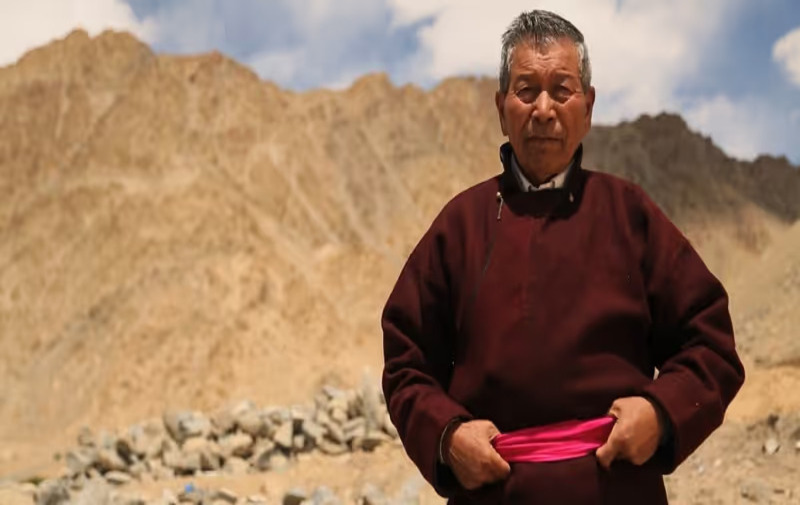
A Glacier Made by Hand? Chewang Norphel’s Incredible Solution to Ladakh’s Water Crisis
In the high-altitude cold desert of Ladakh, water can be both abundant and painfully out of reach. For farmers, the problem was especially acute in April and May, when fields needed water for sowing. The snowmelt and natural glacier water, however, often arrived only in June—too late for the agricultural cycle.Then came an unusual idea from a civil engineer who understood both water and the mountains. Chewang Norphel, who joined the Rural Development Department of Jammu and Kashmir in 1960, began experimenting with a way to slow mountain streams and freeze their water closer to villages.The result would earn him a remarkable nickname: the ‘Ice Man of India’.How to Build a GlacierNorphel’s innovation was deceptively simple. Mountain streams normally rush down steep slopes too quickly to freeze. Norphel diverted runoff into carefully selected shady areas, where the water would lose heat faster.He then constructed a series of check dams and retaining structures to slow the flow. As the water moved gradually through these structures, it froze layer by layer, creating what came to be known as an artificial glacier. These frozen reservoirs were built closer to villages than natural glaciers. When spring arrived, the stored ice gradually melted, releasing water when farmers needed it most.The technique also helped recharge groundwater and revive springs, creating a wider water benefit beyond irrigation.From Laughter to a LifelineThe idea was not immediately embraced. When Norphel first discussed his proposal with farmers, some reportedly laughed at the unconventional concept. But others agreed to give it a chance. His work eventually took shape through his association with the Leh Nutrition Project, an NGO working with communities in Ladakh.Over the years, Norphel constructed numerous artificial glaciers across the region. His largest at Phuktsey village has been reported at around 1,000 feet long, 150 feet wide and four feet deep, with the capacity to provide water for a village of about 700 people.A Legacy Frozen in TimeAfter completing his diploma in civil engineering from Lucknow, Norphel spent 36 years in government service before taking early retirement and returning to Ladakh. But retirement did not mean stepping away from society.His work has earned him titles such as ‘Ice Man’, ‘Climate Hero’ and ‘the Man Who Creates Artificial Glaciers’. In 2015, he was awarded the Padma Shri, one of India’s highest civilian honours, for his pioneering contribution.Norphel’s story is a powerful reminder that sometimes the most remarkable solutions do not require futuristic technology. They require something much simpler: understanding nature, listening to communities and thinking differently.