Delhi’s First All-Women Police Station Opens Doors: A New Safe Haven for Victims of Violence and Harassment
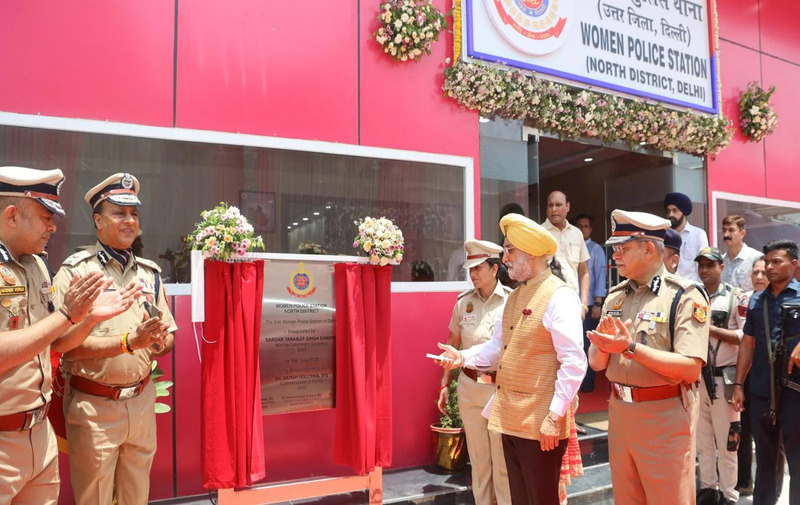
Delhi has marked a major milestone in women’s safety with the launch of its first dedicated all-women police station in Subzi Mandi. Designed to provide a supportive and victim-friendly environment, the facility has already begun receiving complaints related to domestic violence, dowry harassment and other crimes against women.Inaugurated by Lieutenant Governor Sardar Taranjit Singh Sandhu, the Women Police Station (WPS) has started functioning as a full-fledged unit from June 19. The existing Crime Against Women Cell of North District has now been integrated into the new station, expanding its role and powers.Calling it a “significant milestone”, Sandhu said that the success of the station would not merely be measured by the number of cases it handles but by the confidence and trust it builds among women and girls.One Roof, Multiple Support ServicesThe newly established station is equipped to deal with a wide range of offences involving women and children. Cases of domestic violence, dowry harassment, molestation, stalking, sexual assault and rape will all be handled here.Unlike traditional police stations, the facility has been designed to offer a more welcoming atmosphere. Women approaching the station can avail counselling, mediation, legal guidance, FIR registration and investigation services under one roof. Police officials revealed that the second day of operations witnessed a steady stream of complainants seeking help and support, highlighting the immediate need for such a dedicated facility.Led by Women, Built for WomenAs per a report in The Times of India, the station is headed by Inspector Lakshmi Singh and is predominantly staffed by women police personnel. Nearly 60 per cent of the workforce comprises female officers trained to deal with sensitive cases with empathy and professionalism.Officials believe that having more women officers can encourage survivors to come forward without fear or hesitation. The initiative seeks to ensure that complainants are treated with dignity and understanding while navigating the legal process.One of the unique aspects of the police station is its child-friendly infrastructure. Mothers visiting the station with their children can make use of a dedicated play area, ensuring a more comfortable experience during stressful situations. The station is also expected to cater to women students from Delhi University’s North Campus, offering them easier access to assistance and protection whenever required.Delhi Police Commissioner Satish Golchha highlighted that the force is following a four-pronged strategy—prevention, protection, prompt investigation and participation—to strengthen women’s safety. Over the years, the Delhi Police has launched several women-centric initiatives, including 116 Pink Booths, all-women PCR vans and self-defence training programmes that have benefitted more than 30 lakh women and girls across the capital.Officials believe the Women Police Station could become a model for gender-sensitive and victim-centric policing, paving the way for similar facilities in other districts.As more women step forward to seek help, Delhi’s first all-women police station could redefine how victims of violence and harassment experience justice, making safety and support feel more accessible than ever before.