
MP Leads the Way: Becomes First State to Back 33% Reservation for Women in Lawmaking Bodies
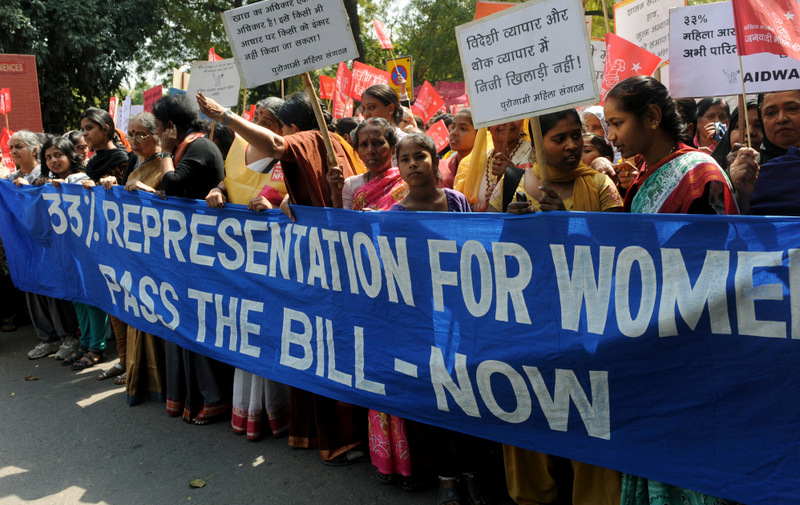
In a significant and emotionally charged development, the Madhya Pradesh Legislative Assembly passed a resolution seeking 33 percent reservation for women in Parliament and state Assemblies. The decision, taken late on a Monday night after hours of intense debate, reflects a growing recognition that true democracy must include equal representation. This resolution is not just about numbers; it is about correcting decades of imbalance and ensuring that women have a stronger voice in shaping the nation’s future.A Debate That Reflected Deep DividesThe journey to passing this resolution was far from quiet. The Assembly witnessed a nine-hour-long marathon debate filled with heated exchanges between the ruling party and the opposition. Despite the disagreements, the resolution was adopted through a voice vote, marking a decisive moment in the state’s legislative history. It showed that even amid conflict, the conversation around women’s empowerment remains central and unavoidable.The Vision Behind the ResolutionThe resolution, moved by Chief Minister Mohan Yadav, emphasized the need to implement one-third reservation for women in legislative bodies after the delimitation process. It described the move as a tribute to “Nari Shakti” and a necessary step for holistic development. Delimitation, which involves redrawing the boundaries of constituencies, plays a crucial role in this process. Linking reservation to delimitation ensures that representation is structured, balanced, and aligned with population changes. However, it also means that the implementation of such reforms depends on broader administrative and political timelines.Political Accusations and Historical ContextDuring the session, the Chief Minister strongly criticized the Indian National Congress, accusing it of failing to prioritize women’s empowerment during its years in power. He described the lack of representation as a “historical injustice,” arguing that earlier action could have significantly improved women’s participation in politics. According to him, delays in delimitation and constitutional processes created obstacles that slowed progress. He suggested that timely decisions in the past could have doubled women’s representation in both Parliament and State Assemblies by now. These remarks reflect a broader political narrative where different parties claim credit for advancing women’s rights, while also holding each other accountable for missed opportunities.Signs of Change Already VisibleWhile the resolution focuses on future reforms, there are already signs of increasing women’s participation in governance within Madhya Pradesh. The Chief Minister pointed out that 17 out of 55 districts in the state currently have women serving as collectors. This statistic is more than just a number—it represents a shift in administrative leadership. Women in such positions are not only managing districts but also influencing policies, addressing grassroots issues, and becoming role models for the next generation. It shows that when opportunities are provided, women step forward and lead with capability and confidence.Why Representation MattersThe importance of women’s representation in legislative bodies goes beyond equality—it directly impacts the quality of governance. Diverse representation leads to more inclusive policies, better understanding of social issues, and stronger focus on areas like education, healthcare, and safety. When women are part of decision-making processes, the policies created tend to reflect a wider range of perspectives. This results in governance that is more balanced and responsive to the needs of all citizens. In a country as diverse as India, ensuring that half the population has a fair voice in leadership is not just ideal—it is essential.A Moment That Signals ChangeThe passing of this resolution marks an important moment in India’s ongoing journey toward gender equality. It reflects a growing understanding that empowerment must be built into the structure of governance itself. As debates continue and processes unfold, one thing is clear: change is underway. The conversation around women’s representation is no longer on the margins; it is at the center of political discourse. Madhya Pradesh’s move to support 33 percent reservation for women in legislative bodies is more than a political decision; it is a step toward a more inclusive and representative democracy. It acknowledges past gaps, addresses present realities, and sets a direction for the future. For millions of women, it carries a simple yet powerful message: their voices are not just needed; they are essential. And as those voices grow stronger, the foundation of democracy itself becomes more balanced, more inclusive, and more just.