
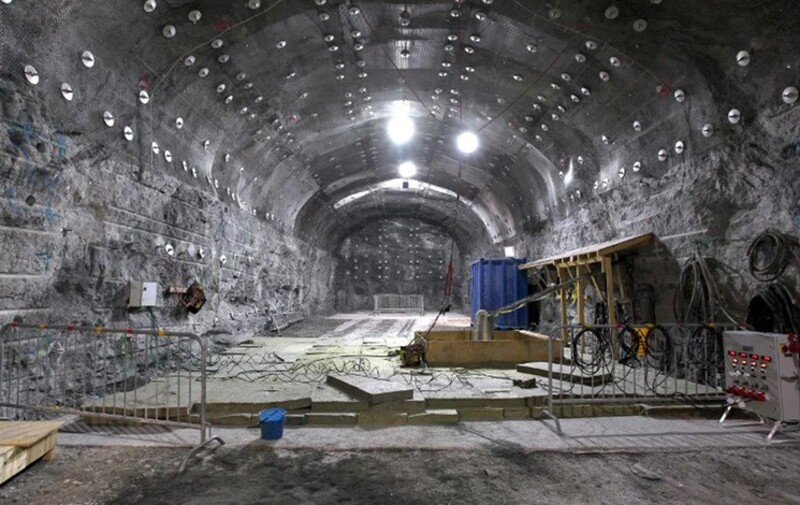
Deep Beneath Finland, A 100,000-Year Solution to Nuclear Waste Takes Shape
In a quiet corner of northern Europe, beneath layers of ancient rock that have stood unchanged for billions of years, humanity is attempting something extraordinary. Deep below the surface of Olkiluoto Island, a project is taking shape that could redefine how the world deals with one of its most dangerous problems: radioactive nuclear waste. Known as the Onkalo repository, this underground facility is set to become the world’s first permanent storage site for highly radioactive waste, designed to remain safe for up to 100,000 years.The Problem That Refused to Go AwaySince the rise of nuclear power in the mid-20th century, the world has benefited from a reliable source of low-carbon energy. However, this progress came with a persistent challenge. Nuclear reactors have generated nearly 400,000 tonnes of spent fuel since the 1950s. While no longer useful for generating electricity, this waste remains intensely radioactive, posing risks that extend far beyond human lifetimes. Most countries have relied on temporary solutions, storing waste in cooling pools or sealed containers. While effective in the short term, these methods are not designed for the thousands of years required to safely contain radiation. Concerns about leakage, environmental damage, and human exposure have long cast a shadow over the future of nuclear energy.A Vision Carved into the EarthFinland’s response to this challenge is both ambitious and deeply thoughtful. The Onkalo repository is built between 400 and 450 metres below ground, within bedrock that is approximately 1.9 billion years old. This is not just engineering—it is geology working in partnership with science. The concept behind Onkalo is simple in theory but complex in execution: create a system so secure that it requires no human intervention once sealed. This idea of “passive safety” ensures that even if future generations forget about the site, the waste will remain contained.Layers of Protection for a Distant FutureWhat makes Onkalo remarkable is its multi-barrier design. Each layer is carefully planned to ensure that even if one fails, others will continue to protect the environment. The process begins with placing spent nuclear fuel into robust metal canisters. These are then sealed inside copper capsules, chosen for their resistance to corrosion over extremely long periods. Surrounding these capsules is bentonite clay, a material that expands when it comes into contact with moisture, effectively sealing gaps and preventing water movement. Finally, the entire structure is embedded within solid rock deep underground. This combination of engineered and natural barriers creates a system that is designed to endure not just decades or centuries, but geological timescales.Why Depth MattersThe decision to place the repository hundreds of metres below the surface is not arbitrary. At this depth, the waste is shielded from external threats such as earthquakes, climate changes, and human activity. The underground environment also limits exposure to oxygen and groundwater, reducing the risk of corrosion. Equally important is the stability of the surrounding rock. The bedrock at Olkiluoto has remained largely unchanged for billions of years, offering a natural layer of protection that no man-made structure alone could provide. What makes this project deeply human is the question it seeks to answer: How do we protect people who will live tens of thousands of years from now? The engineers and scientists behind Onkalo are not just solving a technical problem; they are taking responsibility for the consequences of energy choices made today.Building Trust Alongside TechnologyOne of the reasons Finland has been able to move forward with this project is public trust. The government made a clear decision early on that all nuclear waste would be managed domestically, ensuring accountability. Transparent communication and engagement with local communities helped build confidence in the project. This approach stands in contrast to many countries where nuclear waste management remains a contentious issue. By involving citizens in the process and addressing concerns openly, Finland has created a model that balances technological advancement with social responsibility.A Quiet Revolution Beneath the SurfaceAs the world continues to search for sustainable energy solutions, the work being done beneath Olkiluoto Island may not make daily headlines, but its impact could be profound. It represents a shift in thinking from temporary fixes to permanent solutions, from short-term gains to long-term stewardship. In the end, Onkalo is not just about storing nuclear waste. It is about safeguarding the future, proving that even the most daunting challenges can be addressed with patience, vision, and a commitment to doing what is right—not just for today, but for the next 100,000 years.