A Green Revolution in Mumbai: City to Develop Its First Public Urban Forest in Andheri’s Marol
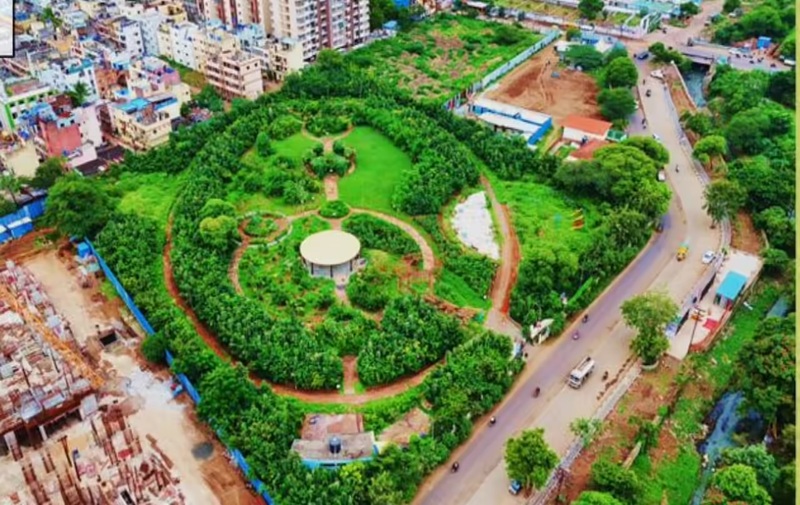
In a major step toward improving Mumbai’s environmental resilience and green infrastructure, the city is set to develop its first public urban forest at Marol in Andheri East, along the banks of the Mithi River. The ambitious initiative, led by the Brihanmumbai Municipal Corporation (BMC), will transform an underdeveloped recreational ground into a vibrant green ecosystem with around 15,000 trees, nature trails and biodiversity zones. Spread across 12,964 square metres (approximately 3.2 acres), the project aims to create a nature-based public space that not only enhances biodiversity but also provides a peaceful recreational environment for the residents of the bustling metropolis. As Mumbai continues to grapple with rising temperatures, rapid urbanisation and shrinking green spaces, the urban forest project represents a significant effort to bring nature back into the city.Transforming an Underdeveloped Ground into a Green OasisThe site selected for the project is located in Marol, Andheri East, along the Mithi River, an area that has long been identified as a potential green zone under Mumbai’s Development Plan. Currently categorised as a recreational ground, the plot has remained largely underdeveloped, despite having around 150 existing trees. Recognising the potential of the land, the BMC has decided to transform the area into a nature-interactive green space that integrates recreation with environmental conservation. The vision is to develop a dense forest-like ecosystem within the city while maintaining open areas where residents of all age groups can engage in outdoor activities. The project is expected to significantly enhance the local environment while creating a green sanctuary for urban dwellers. According to officials from the K East ward, the project has already begun and is being implemented through Corporate Social Responsibility (CSR) funding, demonstrating how public-private collaboration can support sustainable urban development.A Forest Within the CityUnlike traditional parks, the Marol urban forest will be designed as a multi-layered ecological landscape. The concept focuses on creating various natural zones that support different forms of biodiversity. One of the key features will be a Miyawaki forest patch, a Japanese method of afforestation that allows dense forests to grow rapidly in urban areas. This technique uses native plant species and closely planted saplings to create a self-sustaining ecosystem within a relatively short period of time. In addition to the Miyawaki patch, the forest will include several specialised ecological zones. Plans include bird habitat areas, where trees and shrubs will attract local bird species, as well as butterfly gardens designed to support pollinators. A bamboo arboretum will introduce diverse bamboo species, while native grasslands will help maintain ecological balance and support smaller wildlife. The project will also feature sacred groves and medicinal plant zones, reflecting traditional Indian ecological practices and promoting awareness about native flora and natural healing plants. Together, these zones will transform the area into a living ecological classroom where visitors can learn about nature while enjoying the greenery.Combating Urban Heat and Climate ChallengesMumbai, like many rapidly growing cities, faces increasing environmental challenges. Rising temperatures, air pollution and the loss of natural green spaces have intensified concerns about urban sustainability. Officials believe the Marol urban forest will play an important role in addressing some of these issues. Deputy Municipal Commissioner Vishwas Mote emphasised that projects like these are crucial in the context of changing climatic conditions. Increasing green cover in densely populated areas can significantly reduce the urban heat island effect, where cities become warmer than surrounding rural areas due to excessive concrete and limited vegetation. The dense vegetation planned for the forest will help absorb carbon dioxide, improve air quality and provide natural cooling. Trees and soil will also assist in groundwater recharge, allowing rainwater to be absorbed more effectively into the ground. Given the site’s proximity to the Mithi River, improving the ecological health of the surrounding landscape could also contribute to better riverbank stability and environmental balance in the area.A Space for the CommunityBeyond environmental benefits, the Marol urban forest is also designed with people in mind. City planners want the space to function as a community hub where residents can reconnect with nature. The project will feature walking pathways, open fitness zones, children’s play areas, and seating spaces for senior citizens. These facilities aim to encourage healthy outdoor lifestyles in a city where access to open spaces is often limited. Morning walkers, yoga enthusiasts and families looking for a peaceful place to spend time will all be able to use the space. For many residents of Andheri and surrounding areas, the forest could become a rare urban refuge—a place where the noise of traffic fades behind the rustle of leaves and birdsong.A Small Forest with a Big ImpactIn a megacity where land is scarce and development pressure is constant, even a 3.2-acre urban forest can make a meaningful difference. Projects like the Marol initiative demonstrate how cities can balance growth with environmental responsibility. For the residents living near the Mithi River, the transformation of an underdeveloped ground into a thriving forest may change their everyday experience of the neighbourhood. Children could grow up watching butterflies in the gardens, elderly residents may find calm walking beneath shaded pathways, and young professionals might discover a quiet corner to escape the rush of city life. In the long run, Mumbai’s first public urban forest may become more than just a green space. It could serve as a powerful reminder that even in one of the world’s busiest cities, nature still has room to grow.