
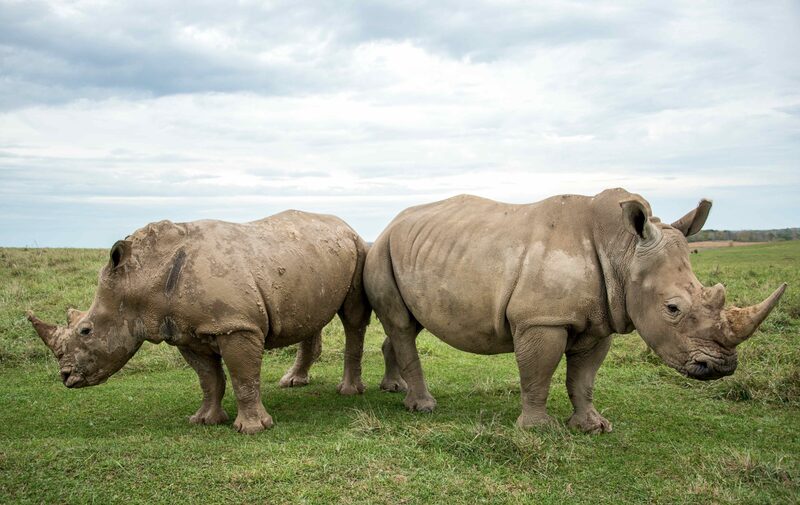
A Return from Extinction: Southern White Rhinos Roam Uganda’s Kidepo Valley Again
In a remarkable conservation milestone, southern white rhinos have returned to Kidepo Valley National Park after more than 40 years of absence. Once declared extinct in Uganda in 1983 due to relentless poaching, the reintroduction of these majestic animals marks a powerful moment in the country’s environmental history. Two rhinos have already been safely transported to a specially secured sanctuary within the park, with more expected to arrive later in 2026. This move is not just about bringing back a species; it is about restoring a lost piece of Uganda’s natural identity.The Dark Past: How Uganda Lost Its RhinosUganda was once home to over 700 rhinos, roaming freely across its savannas and national parks. However, the 1970s and early 1980s saw a surge in illegal poaching, driven by the high demand for rhino horns in international markets. Weak law enforcement and political instability during that period made conservation efforts nearly impossible. By 1983, rhinos had completely disappeared from the country, leaving behind a silent and broken ecosystem. This extinction was not just the loss of an animal species; it disrupted the ecological balance. Rhinos, as large grazers, play a crucial role in shaping vegetation and maintaining the health of grasslands. Their absence was deeply felt in Uganda’s wildlife landscape.The Journey Back: A Carefully Planned RelocationThe recent reintroduction of southern white rhinos into Kidepo Valley National Park is the result of years of planning, collaboration, and dedication. The first two rhinos were transported from a private ranch to a heavily monitored and fenced sanctuary within the park. This controlled environment ensures their safety as they gradually adapt to their new home. The effort is being led by the Uganda Wildlife Authority, along with several conservation partners. Their goal is to establish a stable breeding population that can eventually thrive in the wild. More rhinos are expected to join this sanctuary in the coming months, strengthening the chances of long-term success.Protection First: Guarding Against Old ThreatsWhile this reintroduction is a positive step, the threat of poaching still looms large. To address this, the sanctuary in Kidepo Valley has been equipped with strong protection measures. These include secure fencing, constant surveillance, and trained ranger patrols who monitor the rhinos around the clock. Modern tracking systems are also being used to ensure that each rhino is accounted for at all times. These steps are crucial because even a single poaching incident could undermine years of conservation work. The lessons from the past have made it clear that protection must go hand in hand with restoration.Why Rhinos Matter: Restoring a Keystone SpeciesRhinos are not just iconic animals; they are what scientists call a “keystone species.” This means their presence has a significant impact on the ecosystem. By grazing on vegetation, rhinos help maintain open grasslands, which in turn support other wildlife such as antelopes, birds, and predators. The reintroduction of rhinos into Kidepo Valley National Park is expected to gradually restore this natural balance. Healthier ecosystems lead to stronger biodiversity, which benefits not only wildlife but also local communities who depend on these environments for their livelihoods.Boosting Tourism and Local EconomiesBeyond ecological benefits, the return of rhinos is also expected to boost tourism in Uganda. Wildlife tourism is a major source of income for the country, and the presence of rhinos adds to its appeal as a safari destination. Visitors from around the world are drawn to the “Big Five” animals, and rhinos are a key part of that experience. By bringing them back, Uganda is not only restoring its wildlife heritage but also creating new economic opportunities for local communities. Increased tourism can lead to job creation, improved infrastructure, and better living conditions for people living near the park.A Global Conservation PerspectiveAccording to the International Union for Conservation of Nature, southern white rhinos are currently classified as “near threatened,” with their population showing signs of decline. A 2020 survey estimated that just over 10,000 individuals remain worldwide. This makes every conservation effort, including Uganda’s reintroduction program, critically important. Globally, rhinos continue to face threats from habitat loss and illegal wildlife trade. Uganda’s initiative stands as an example of how countries can actively reverse past losses and contribute to global conservation goals.More Than Just WildlifeThe return of rhinos to Uganda is not just a scientific or environmental achievement—it is deeply emotional. For many Ugandans, this moment represents healing and hope. It shows that even after decades of loss, nature can be given a second chance if people come together with commitment and care. For older generations, it is a chance to see a part of their natural heritage restored. For younger generations, it is an opportunity to grow up witnessing wildlife that once existed only in stories. This connection between people and nature is what makes conservation truly meaningful. The reintroduction of southern white rhinos into Kidepo Valley National Park is a powerful reminder that extinction does not always have to be the end of the story. With careful planning, strong protection, and global cooperation, it is possible to bring species back from the brink. As more rhinos arrive and the population begins to grow, this initiative could become one of Africa’s most inspiring conservation success stories. It proves that when humanity chooses to protect rather than exploit, the planet has an incredible ability to heal, and so do we.