
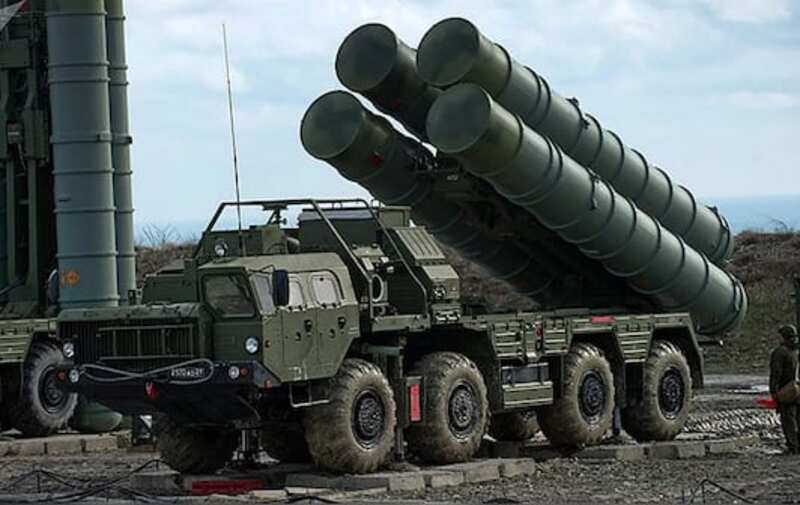
India Gets Fourth S-400 Boost as Advanced Air Defence System Arrives from Russia
In an increasingly complex global security environment, every step towards strengthening national defence carries immense significance. India has taken one such decisive step with the arrival of the fourth squadron of the S-400 Triumf, one of the most advanced air defence systems in the world. Supplied by Russia, the system is currently on its way and is expected to be deployed by the end of May, further reinforcing India’s multi-layered air defence network. This development is not just about adding another piece of military equipment. It represents a broader effort to secure the nation’s skies and ensure preparedness in the face of modern aerial threats.The Backbone of a Modern Defence StrategyThe S-400 Triumf is widely regarded as a game-changer in air defence technology. Designed to detect, track, and neutralize a wide range of aerial threats including fighter jets, drones, cruise missiles, and even ballistic missiles, it provides a comprehensive shield against potential attacks. What sets the system apart is its ability to engage multiple targets simultaneously at varying distances and altitudes. With a range that can extend up to 400 kilometers, it allows defence forces to intercept threats long before they reach critical areas. This capability makes it an essential component of India’s evolving defence strategy, where early detection and swift response are key.A Deal Years in the MakingIndia’s journey with the S-400 began in 2018, when it signed a $5.43 billion agreement with Russia for the delivery of five squadrons. Despite global geopolitical complexities and logistical challenges, the deal has progressed steadily. With three squadrons already operational, the arrival of the fourth marks significant progress toward full deployment. Each phase of delivery has been closely watched, not just within India but globally, as it reflects the country’s commitment to modernizing its defence capabilities. Once all five squadrons are in place, India will have one of the most robust air defence networks in the region.Strategic Deployment in Sensitive RegionsThe placement of such advanced systems is never random. Defence experts suggest that the newly arrived squadron will likely be deployed in strategically important sectors, particularly along sensitive border regions. These areas often face heightened security concerns, making them a priority for enhanced protection. By positioning the S-400 in these zones, India aims to create a strong deterrent against potential aerial incursions. The system’s presence alone can act as a powerful signal, discouraging adversaries from attempting any aggressive actions.Building a Multi-Layered Defence NetworkModern warfare is no longer limited to traditional battlefields. Threats can come from the skies in the form of advanced aircraft, stealth drones, and high-speed missiles. To counter these, countries are increasingly relying on multi-layered defence systems that combine various technologies for maximum effectiveness. The S-400 plays a crucial role in this layered approach. It works alongside other systems to create overlapping zones of protection, ensuring that even if one layer is breached, others remain active. This redundancy is vital for maintaining security in high-risk scenarios. India’s investment in such systems reflects a shift towards proactive defence—anticipating threats and neutralizing them before they escalate.Strengthening Partnerships and CapabilitiesIndia’s defence collaboration with Russia has been a longstanding one, and the S-400 deal is a continuation of that relationship. Such partnerships not only provide access to advanced technology but also strengthen diplomatic ties. At the same time, India continues to invest in indigenous defence production, aiming to balance global collaborations with self-reliance. The integration of systems like the S-400 with homegrown technologies reflects a comprehensive approach to national security. As the fourth squadron is set to be inducted into service, attention now turns to the final delivery that will complete the five-squadron deal. Each addition brings India closer to achieving a fully operational, state-of-the-art air defence network. The journey, however, does not end here. Defence preparedness is an ongoing process, requiring constant upgrades, training, and adaptation to new challenges.