
Why Bandhani Is More Than Fashion and Why the World Needs to Understand It
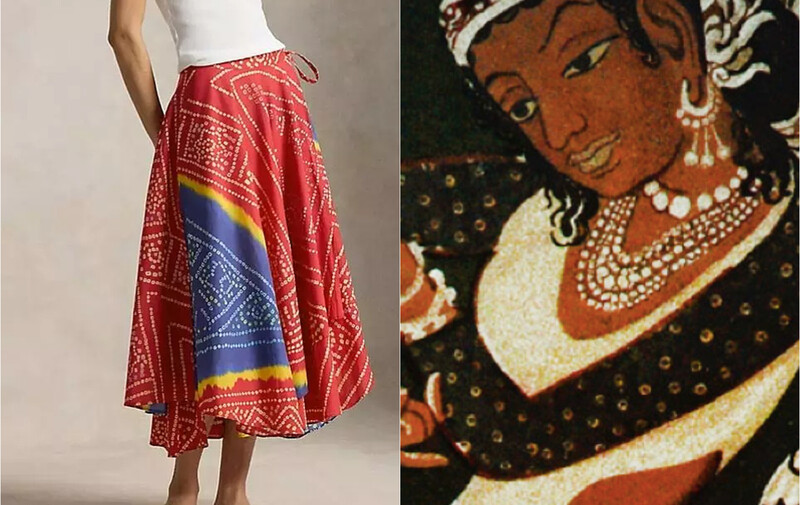
There are some traditions that do not fade with time; they evolve, endure, and continue to tell stories long after generations have passed. Bandhani is one such living legacy. Often seen today as a vibrant pattern on sarees and dupattas, Bandhani is far more than a visual delight. It is a narrative of India’s cultural depth, a craft that has survived thousands of years, and a symbol of identity woven through history. In an age where global fashion constantly seeks inspiration, Bandhani stands not as a trend to be borrowed but as a heritage to be respected.A Craft Rooted in Ancient CivilisationThe origins of Bandhani trace back to the Indus Valley Civilization, making it one of the oldest known textile traditions in the world. This is not speculation; it is a legacy supported by historical and cultural evidence. The intricate tie-dye patterns that define Bandhani have been referenced in ancient texts like Harshacharita and are even visible in the timeless murals of the Ajanta Caves. The word “Bandhani” itself comes from the Sanskrit root bandh, meaning “to tie.” This simple word captures the essence of the craft. Thousands of tiny knots are carefully tied by hand before the fabric is dyed, creating patterns that are both intricate and meaningful. Each piece is a result of patience, precision, and an almost meditative dedication.The Hands That Preserve GenerationsBandhani is not produced in factories; it is nurtured within families. Communities like the Khatri artisans of Gujarat and Rajasthan have preserved this art for centuries. Skills are passed down from one generation to the next through observation, practice, and lived experience. For these artisans, Bandhani is more than a livelihood. It is an inheritance. Every knot tied is a continuation of a story that began long before them. The craft carries the fingerprints of history, making each piece unique and irreplaceable.From Royal Courts to Global ShoresBandhani’s journey is not confined to local traditions. During the Mughal era, it found a place in royal courts, admired for its elegance and craftsmanship. By the 18th century, it had already travelled beyond India, reaching markets in London and gaining international appreciation. Yet, its true essence remained rooted in Indian life. Bandhani became an integral part of weddings, festivals, and rituals. Colours and patterns were never random; they carried meaning. Red symbolised marriage and prosperity, yellow represented new beginnings, and each design told a story of emotion and culture.A Living Identity, Not Just FabricTo understand Bandhani is to understand that it is not just clothing. It is identity. In many Indian households, Bandhani garments are cherished heirlooms, worn during significant life events and passed down through generations. This emotional connection transforms the fabric into something far more valuable than fashion. It becomes a symbol of belonging, a reminder of roots, and a celebration of tradition. The recognition of Kutch Bandhani with a Geographical Indication (GI) tag in 2021 further reinforced its unique cultural and geographical significance.Global Fashion and the Question of CreditIn recent years, global fashion houses have increasingly drawn inspiration from traditional Indian designs. From Prada showcasing Kolhapuri-inspired footwear to Ralph Lauren incorporating Bandhani-like patterns, Indian craftsmanship has found its way onto international runways. While this reflects the global appeal of Indian textiles, it also raises an important question: Where is the credit? When these designs are presented without context, they risk being seen as new inventions rather than centuries-old traditions. This is not just inspiration; it is heritage being repackaged. The issue is not about sharing culture but about acknowledging it. When the story behind the craft is lost, so is the recognition of the artisans who have preserved it for generations.The Need to Protect and Celebrate Our HeritageBandhani’s journey highlights a larger reality. India’s traditional crafts are rich, diverse, and deeply rooted in history, yet they often struggle for recognition in a globalised world. It is essential to not only celebrate these traditions but also protect them. This means supporting local artisans, promoting authentic products, and ensuring that global platforms acknowledge the origins of the designs they use. It also means taking pride in our own heritage and valuing it beyond trends. At its heart, Bandhani is a human story. It is about the artisan who spends hours tying knots with unwavering focus. It is about the bride who wears a Bandhani saree as she begins a new chapter of her life. It is about families who pass down these garments as symbols of love and continuity. These connections cannot be replicated by machines or mass production. They are built through time, tradition, and emotion. This is what makes Bandhani timeless.Bandhani should not be seen as a trend to borrow but as a legacy to honour. It deserves recognition, respect, and protection. Because Bandhani is not just fashion. It is civilisation woven into fabric—a story of India that continues to unfold, one knot at a time.