
Closer Than Ever: Ladakh’s New Districts Are Set to Transform Lives and Futures
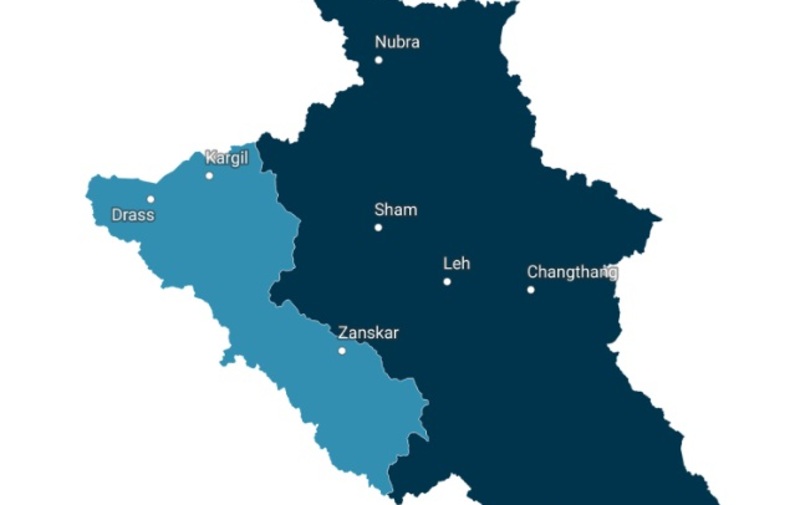
High in the cold desert landscapes of Ladakh, where mountains stretch endlessly and villages sit miles apart, a quiet yet powerful transformation is unfolding. In a move that carries both administrative and emotional weight, Lieutenant Governor Vinai Kumar Saxena has approved the creation of five new districts in the Union Territory. For the people who live in these remote regions, this is more than just a bureaucratic decision. It is a promise that governance will come closer, that voices will be heard more clearly, and that development will no longer feel distant.From Two to Seven: A Historic ExpansionUntil now, Ladakh functioned with just two districts Leh and Kargil. Vast, beautiful, and challenging, the region has long been one of India’s most geographically demanding administrative zones. With the addition of five new districts—Nubra, Sham, Changthang, Zanskar, and Drass—the total number has now risen to seven. Each of these regions carries its own identity and challenges. Nubra Valley, known for its sand dunes and monasteries; Zanskar, with its isolated valleys; and Drass, often called one of the coldest inhabited places on Earth, are not just locations on a map—they are communities with unique needs. This reorganization reflects an understanding that one administrative model cannot fit all such diverse landscapes.Why Ladakh Needed This ChangeSpread across approximately 86,904 square kilometres, Ladakh is India’s largest Union Territory by area. Yet, its population remains sparse, with scattered settlements often separated by harsh terrain and extreme weather conditions. For years, residents in far-flung areas have faced difficulties in accessing basic administrative services. Something as simple as paperwork or a government scheme could mean traveling long distances through challenging routes. By creating new districts, the administration aims to bring governance closer to the people. It reduces the distance, both physical and emotional, between citizens and the system meant to serve them.Strengthening Grassroots GovernanceThe decision is also rooted in a larger vision of decentralization. With smaller administrative units, local governance becomes more responsive and efficient. Officials can focus on region-specific issues, whether it is infrastructure, healthcare, education, or livelihood opportunities. This step aligns with the broader governance approach supported by the Ministry of Home Affairs, which had approved the move earlier under the leadership of Amit Shah. It signals a shift from centralized decision-making to a more inclusive and participatory model, one where local voices matter.Strategic Importance Beyond AdministrationLadakh is not just geographically vast; it is strategically vital. Sharing borders with both China and Pakistan, the region holds immense importance for India’s national security. Improved administrative presence in remote areas strengthens not just governance but also coordination, infrastructure development, and emergency response. It ensures that even the most distant corners are connected not just by roads but by attention and resources. Regions like Changthang, known for its nomadic communities and Pashmina wool, and border areas near Drass and Nubra gain greater visibility and support through this change.A Step Toward Greater ParticipationSince becoming a Union Territory in 2019 after the reorganization of Jammu and Kashmir and the abrogation of Article 370, Ladakh has been under direct central administration. While this brought certain advantages, it also meant limited local representation. The creation of new districts can pave the way for greater political participation, stronger local institutions, and more opportunities for people to engage with governance processes. It opens doors for leadership at the grassroots level, allowing communities to take part in shaping their own development.Impact on Everyday LivesBeyond policy discussions, the real impact of this decision will be felt in everyday life. For a resident in a remote village, it could mean quicker access to healthcare facilities, faster processing of documents, or better implementation of welfare schemes. For young people, it may bring new employment opportunities within administrative setups or local development projects. For entrepreneurs, it could mean better infrastructure and support to build businesses. These changes may seem small individually, but together they create a significant shift in quality of life.Balancing Development and IdentityLadakh is a region deeply rooted in its culture, traditions, and ecological sensitivity. As development accelerates, maintaining this balance becomes crucial. The creation of new districts allows for more focused planning that respects local identities while promoting growth. It ensures that development is not just fast but also thoughtful and sustainable. Unlike dramatic announcements that dominate headlines, this decision represents a quieter form of change, one that unfolds gradually but leaves a lasting impact. For the people of Ladakh, it is a step toward feeling seen and supported. For India, it is a move that strengthens both governance and strategic presence in a critical region.