Heart-Stopping Finale : India U17 Crowned South Asian Champions
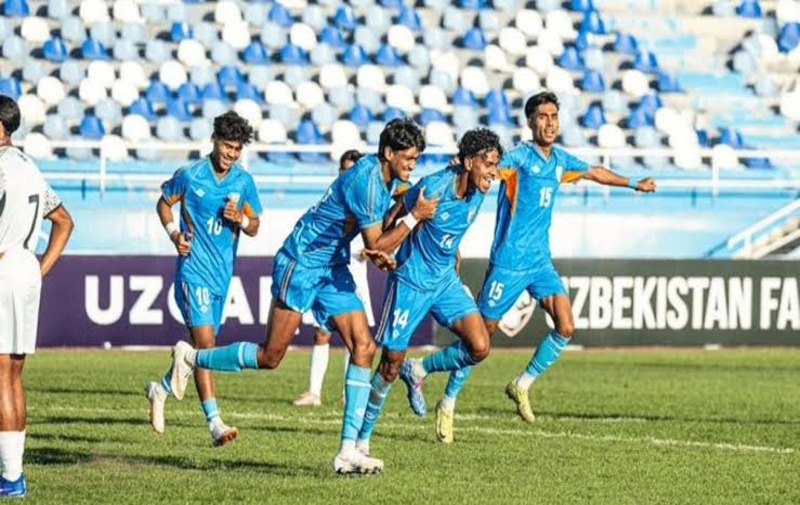
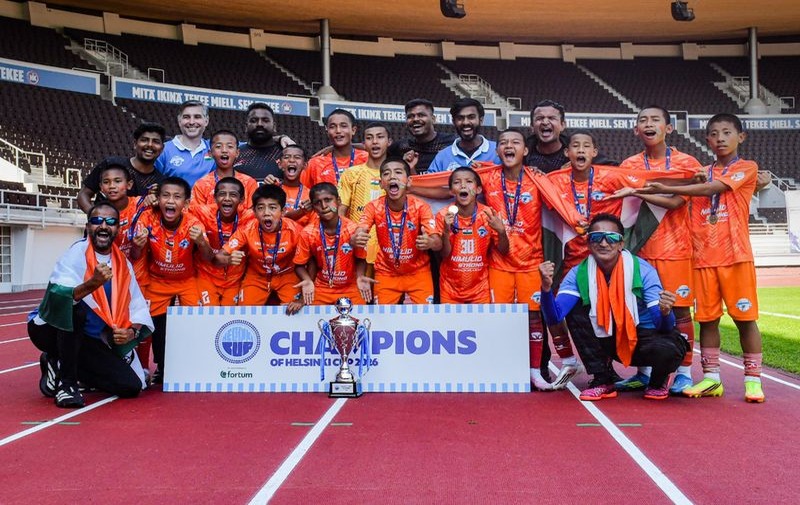
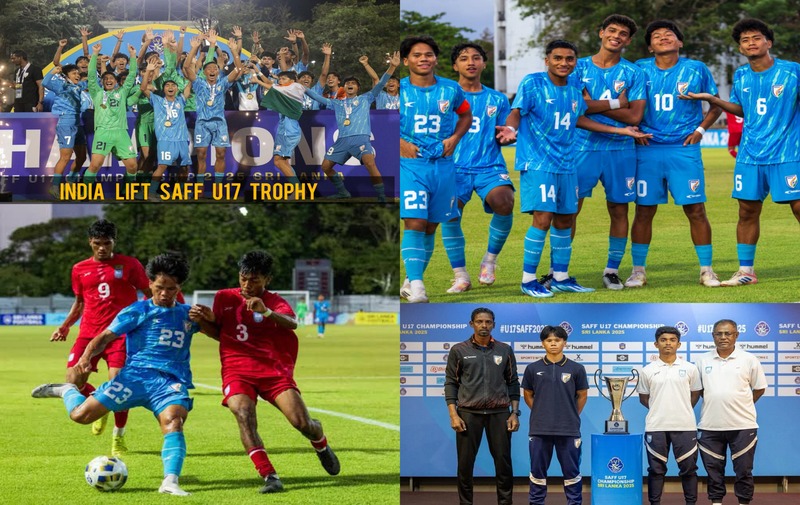
At the Racecourse International Stadium in Colombo, September 27, 2025, turned into a night of high drama, heartbreak, and triumph. The India U17 men’s football team emerged champions of South Asia once again, edging past Bangladesh 4-1 on penalties after a pulsating 2-2 draw in regulation time. For head coach Bibiano Fernandes, it was his fifth SAFF title, and for his young squad, it was a coming-of-age performance under the floodlights.Lightning Start and Early PressureIndia entered the final with intent, knowing Bangladesh had yet to concede a goal in the tournament. Within just four minutes, they broke the deadlock. Gunleiba Wangkheirakpam darted down the left and whipped in a dangerous cross. Though a Bangladeshi defender got a touch, the rebound fell kindly for Dallalmuon Gangte, who calmly slotted in to give India the perfect start. But Bangladesh were no pushovers. Slowly finding rhythm, they began testing India’s defence. The equaliser came in the 24th minute when Nazmul Huda Faysal forced a fine save from goalkeeper Manashjyoti Baruah, leading to a corner. From the delivery, the ball ricocheted inside the box before Md Manik bundled it home, sparking Bangladeshi celebrations. Moments later, Bangladesh almost grabbed the lead, only for Md Opu Rahman’s header to rattle the crossbar. India’s backline looked shaken, but Baruah’s composure between the posts kept the score level.Azlaan Restores ControlIndia regained control just before half-time. In the 38th minute, Gunleiba once again delivered a cross from the left that unsettled the Bangladeshi defence. The goalkeeper fumbled, and Azlaan Shah pounced with a fierce left-footed strike that slipped past a desperate clearance attempt. The Blue Colts went into the break 2-1 ahead, their resolve firmly tested but intact.A Fierce Battle in the Second HalfThe second half unfolded like a chess match. India, aware of their slender advantage, adopted a pragmatic style, slowing the tempo and focusing on organisation. Bangladesh, however, refused to bow down. Faysal’s thunderous strike in the 50th minute rattled the crossbar, while Islam’s header soon after demanded another brilliant save from Baruah. At the other end, India came agonisingly close in the dying minutes Lesvin Rebelo’s towering header in the 88th minute struck the bar, while Gangte forced another strong save from distance.Bangladesh’s Last-Gasp EqualiserJust when India seemed destined to lift the trophy in regulation time, the game turned on its head. Deep into stoppage time, in the 97th minute, Md Sabbir Islam launched a long throw into the Indian penalty area. Amid the chaos, the ball fell to Ihsan Habib Riduan, who smashed it into the net. Bangladesh erupted, forcing the final into a penalty shootout. For India, the cruel twist meant regrouping immediately—champions are forged in such moments.Penalty Shootout: Blue Tigers Hold Their NervePenalty shootouts are the ultimate test of nerves, and the young Indians showed maturity beyond their years. Gangte, Korou Meitei Konthoujam, and Indra Rana Magar converted confidently before Shubham Poonia slotted home the decisive fourth kick. Bangladesh, by contrast, faltered under pressure. Md Ikramul Islam smashed his shot against the crossbar, Md Azam Khan’s effort was saved by the outstanding Manashjyoti Baruah, and though Md Manik converted, it was too little, too late. India sealed the title 4-1 on penalties, sparking wild celebrations in Colombo.More Than Just a TrophyFor these 16- and 17-year-olds, victory was about more than lifting silverware. It was about belief, resilience, and proving themselves on a regional stage. They had to withstand Bangladesh’s resurgence, deal with the heartbreak of a stoppage-time equaliser, and then summon the courage to deliver under immense pressure. For fans back home, the win symbolises the steady growth of Indian youth football. Just months after winning the SAFF U19 Championship, this win reinforces the depth of India’s grassroots football pipeline. Parents, coaches, and communities who have supported these youngsters will see their sacrifices reflected in the joy of this moment. The 2025 SAFF U17 Championship final had everything: early goals, near misses, a dramatic last-minute equalizer, and a shootout brimming with tension. But in the end, India’s young Blue Colts showed the composure of seasoned professionals to reclaim their regional crown. For them, this victory is not the end, but the beginning of bigger dreams on the Asian and global stage.India U17 Squad vs Bangladesh (Final, Colombo 2025)Manashjyoti Baruah (GK), Indra Rana Magar, Shubham Poonia, Thanggoumang Touthang (Diamond Singh Thokchom 75′), Rahan Ahmed (Lesvin Rebelo 65′), Dallalmuon Gangte, Lawmsangzuala, Azlaan Shah Kh (Aazim Parveez Najar 75′), Md Aimaan Bin (Korou Meitei Konthoujam 90+1′), Wangkheirakpam Gunleiba (Kamgouhou Doungel 90+1′), Denny Singh Wangkhem (C).