
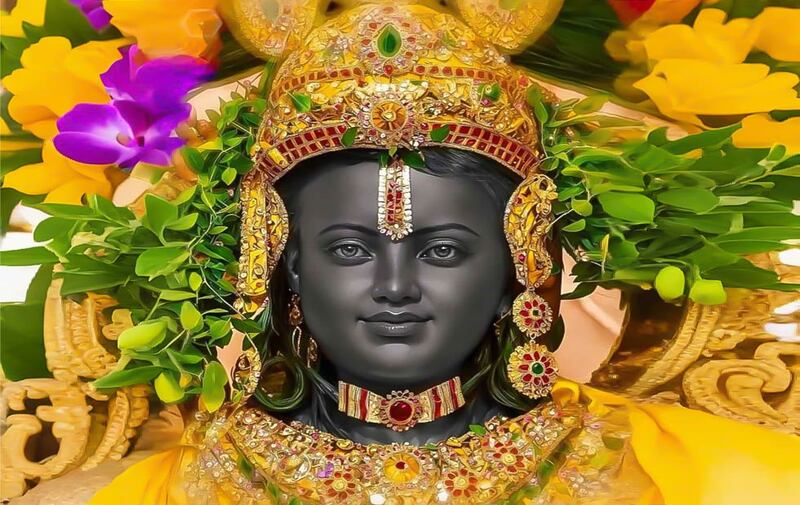
The Beauty of Faith: Why Festivals Like Rama Navami Bring People Together
Festivals are more than just dates on a calendar—they are emotional experiences that connect people at a deeper level. Rama Navami, which marks the birth of Lord Rama, is one such occasion where devotion blends with psychology. Across India and beyond, millions come together to pray, fast, sing bhajans, and participate in processions. But beneath these rituals lies a powerful psychological force—the human need to belong. When people gather in temples or homes, reciting verses from the Ramayana, they are not just engaging in religious acts. They are sharing emotions, values, and a sense of unity. This collective participation creates a feeling of emotional safety and connection, something that modern, fast-paced life often lacks.The Science of Belonging and CommunityPsychologically, humans are wired for connection. Social scientists have long emphasized that shared beliefs and group activities strengthen bonds between individuals. Festivals like Rama Navami act as a social glue, bringing together families, neighbors, and even strangers. When devotees gather in places like Ayodhya or local temples, they become part of something larger than themselves. This “collective identity” reduces feelings of loneliness and increases happiness. Singing together, walking in processions, or even sharing prasad releases positive emotions and builds trust among people. In simple terms, faith creates community—and community nurtures mental well-being.Rituals That Build Emotional StabilityThe rituals associated with Rama Navami fasting, prayer, storytelling, and charity play an important role in emotional balance. Fasting, for example, is not just a religious practice but also a form of self-discipline. It teaches patience, control, and mindfulness. Listening to stories of Lord Rama from the Ramayana provides moral clarity. His life, filled with righteousness, sacrifice, and compassion, acts as a guide for people dealing with modern-day challenges. In uncertain times, such stories offer stability and hope. Even small acts like distributing food or helping the needy during the festival create a sense of purpose. Psychologists call this the “helper’s high” a feeling of happiness that comes from doing good for others.Culture, Storytelling, and Shared IdentityOne of the most beautiful aspects of Rama Navami is how culture and storytelling bring people together. Performances like Ramlila, inspired by the Ramayana, transform spiritual lessons into visual experiences. These performances are not just entertainment; they are a way of passing values from one generation to another. Children learn about courage, honesty, and respect through these stories. Elders relive traditions they grew up with. This shared cultural memory strengthens identity and creates continuity across generations. Whether it’s a small gathering in a village or grand celebrations in cities like Bhadrachalam, the essence remains the same people connecting through stories that define who they are.A Global Celebration of ConnectionInterestingly, the psychological impact of Rama Navami is not limited to India. In countries like Mauritius and Trinidad and Tobago, Indian communities continue to celebrate the festival with equal devotion. For many in the diaspora, Rama Navami is more than a religious event—it is a link to their roots. It helps them preserve their identity in a foreign land and pass it on to future generations. Singing bhajans, reading scriptures, and organizing community feasts create a “home away from home.” This shows that faith has no boundaries; it travels with people, keeping them connected to their culture and each other.Faith as a Unifying ForceThe psychology of faith reveals something: powerful people don’t just celebrate festivals, they experience them. Rama Navami is not only about the birth of a deity; it is about the rebirth of hope, values, and human connection. In a world that often feels divided, such festivals act as gentle reminders that we are stronger together. Through shared rituals, stories, and emotions, Rama Navami continues to bring people closer proving that faith, at its heart, is one of the most powerful forces of unity.