India Sends 1,000 Metric Tons of Rice to Sierra Leone: A Step Toward Nourishing Futures and Strengthening Global Bonds
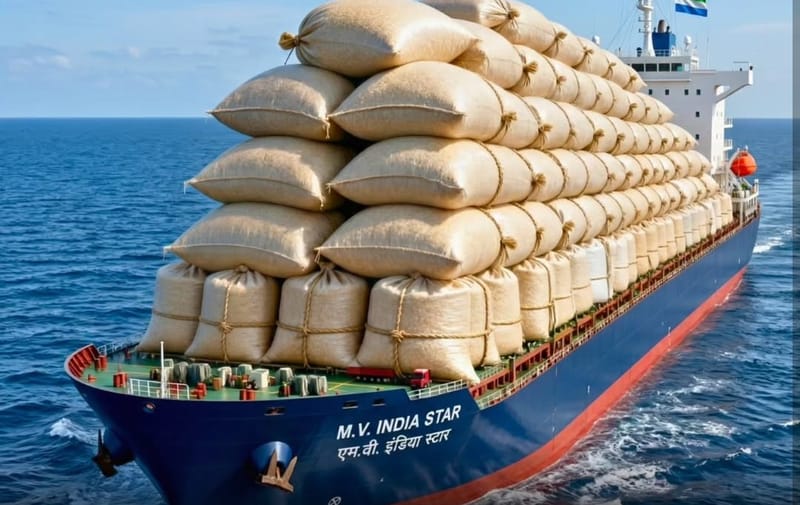
In a powerful act of solidarity and humanitarian support, India has dispatched 1,000 metric tons of rice to Sierra Leone. Sent on March 24, 2026, this large-scale assistance is aimed at strengthening the West African nation’s school midday meal programme. More than just a shipment of food, this initiative represents a shared commitment to improving lives, especially those of children. It reflects India’s growing role as a responsible global partner, particularly among nations of the Global South.Supporting Nutrition and EducationThe primary objective of this rice consignment is to support schoolchildren across all 16 districts of Sierra Leone. Midday meal programmes play a crucial role in addressing two key challenges—malnutrition and school attendance. For many children, school meals are not just an added benefit; they are a daily necessity. Access to nutritious food ensures better physical health, improved concentration in classrooms, and increased motivation to attend school regularly. By contributing to this programme, India is directly supporting the foundational pillars of development—health and education.Strengthening South-South CooperationThis initiative is a strong example of South-South cooperation, where developing countries collaborate to support each other’s growth and development. India has been actively expanding its partnerships across Africa, Asia, and Latin America, focusing on mutual progress rather than one-sided aid. The rice shipment highlights how countries with shared challenges can also share solutions. It reinforces the idea that development is most sustainable when it is inclusive and collaborative. According to Randhir Jaiswal, spokesperson for the Ministry of External Affairs, this assistance reflects India’s continued commitment to building strong and meaningful relationships with countries in the Global South.Aligning with Global GoalsIndia’s support to Sierra Leone also aligns with the United Nations Sustainable Development Goals (SDGs), particularly Zero Hunger and Quality Education. Zero Hunger focuses on ending hunger and ensuring access to safe, nutritious food for all. Quality Education emphasizes inclusive and equitable learning opportunities. By addressing both these goals simultaneously, the initiative creates a multiplier effect: well-nourished children are more likely to attend school, learn effectively, and build better futures. Such efforts demonstrate how targeted interventions can contribute to global progress in meaningful ways.A Partnership Rooted in TrustThe relationship between India and Sierra Leone has been steadily growing over the years. This latest gesture further strengthens bilateral ties, building trust and goodwill between the two nations. Humanitarian assistance often goes beyond immediate relief—it creates lasting connections. It shows that in times of need, countries can rely on each other, fostering a sense of global community. For Sierra Leone, this support comes as a valuable boost to its efforts in improving child welfare and educational outcomes.A Meal, A FutureAt the heart of this initiative are the children who will benefit from it. Imagine a classroom where a simple meal makes the difference between hunger and hope. For many students in Sierra Leone, this rice will not just fill plates—it will fuel dreams. A nutritious meal can mean better focus during lessons, more energy to participate in activities, and the comfort of knowing that one basic need is taken care of. It can also ease the burden on families, encouraging them to send their children to school regularly. This is where policy meets humanity, where a shipment of rice transforms into an opportunity for a better life.India’s Expanding Global RoleIndia’s growing involvement in humanitarian initiatives reflects its evolving position on the global stage. By supporting countries in need, it is not only contributing to development but also shaping a more inclusive and cooperative international environment. Such actions highlight India’s commitment to being a partner in progress, rather than just a participant in global affairs. It underscores a vision where development is shared, and prosperity is collective. As these grains reach classrooms across Sierra Leone, they carry with them a message of hope. They remind us that even the simplest acts like sharing food can have the power to transform lives, strengthen bonds, and build a more connected world.