
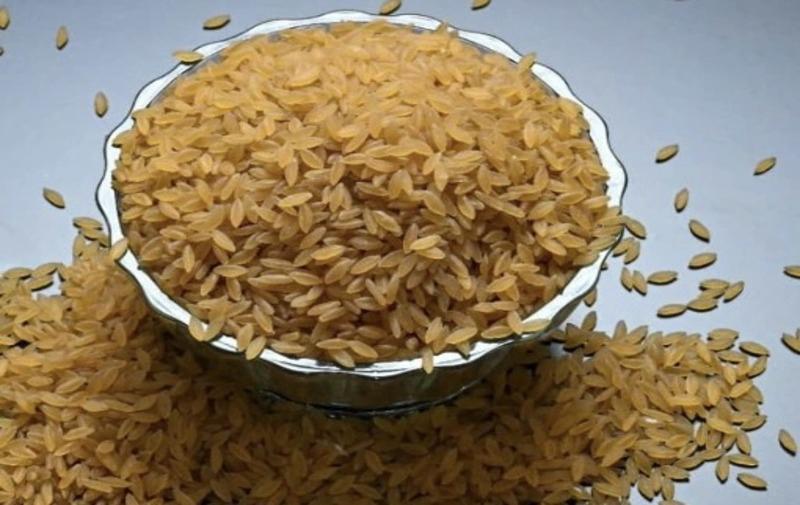
A Healthier Bowl of Rice: CSIR Develops ‘Designer Rice’ Packed With Protein
Rice sits at the heart of millions of Indian meals. From steaming bowls of dal-chawal to comforting plates of curd rice, it is a food people grow up with. But while rice is filling and familiar, nutritionists have long pointed out one concern, polished white rice is mostly starch and can cause quick spikes in blood sugar levels. In a country where diabetes cases are steadily rising, this has been a serious concern.That is exactly where Indian scientists have stepped in with an interesting solution. Researchers from CSIR have developed what they call “designer rice”, a specially engineered rice that is richer in protein and designed to release sugar more slowly in the body. Instead of asking people to give up rice, the idea is simple and clever: make the rice itself healthier. It’s a small shift in concept, but one that could quietly reshape everyday eating habits.A Grain That Packs More NutritionWhat makes this rice special is its nutritional upgrade. Regular white rice usually contains only about 6 to 8 percent protein. The new designer rice, however, contains around 20 percent protein, which is nearly three times higher. This means a regular serving of rice could suddenly become a much more nourishing meal. Another major advantage lies in its low glycaemic index. In simple terms, this means the rice releases glucose into the bloodstream more gradually instead of causing sudden sugar spikes after meals. For people living with diabetes or those trying to prevent it this can make a meaningful difference.The rice is also enriched with important micronutrients such as iron, folic acid, and vitamin B12. Many people unknowingly suffer from what experts call “hidden hunger,” where the stomach feels full but the body still lacks essential nutrients. By adding these nutrients directly into a staple food, scientists are addressing this issue in a practical way.Reinventing Rice Without Changing Its TasteOne of the most interesting parts of this innovation is how it is made. The scientists did not genetically modify the grain. Instead, they used advanced food-processing techniques to redesign it. The process begins with broken rice grains, which are usually a by-product of rice milling and often sold at lower value. These fragments are combined with plant proteins and essential nutrients and then reshaped into rice-like grains. The final product looks, cooks, and tastes very similar to the rice people are already used to. In other words, it fits easily into everyday meals, whether it is paired with a spicy curry, simple dal, or vegetables. There is also a sustainability angle here. By using broken rice that might otherwise go underused, the process helps reduce waste while creating a product with greater nutritional value.From Laboratory Innovation to the Dining TableDeveloping a new food innovation in a laboratory is only half the journey. The bigger challenge is getting it into kitchens. Scientists are now working with industry partners to scale up production so that the designer rice can eventually reach markets. If it becomes widely available, this rice could play an important role in addressing two pressing health concerns, diabetes and nutritional deficiency. Since rice is already eaten daily by millions, improving the quality of this single grain could have a surprisingly large impact.Sometimes the most powerful innovations are not flashy inventions but simple improvements to everyday things. In this case, the humble grain of rice is being quietly reimagined. And if a bowl of rice can deliver better nutrition without changing the way people eat, it might just become one of the smartest food innovations on the Indian plate.