
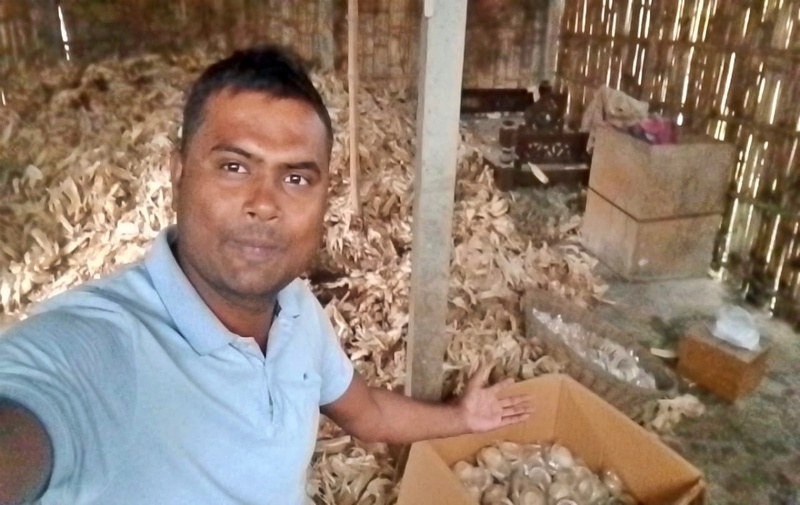
This Man Saw Value Where Others Saw Waste And Created a Game-Changing Plastic Alternative!
In the quiet village of Muradpur in Bihar’s Muzaffarpur district, a powerful story of resilience and innovation has taken root. For Naaz Ozair, a 30-year-old mechanical engineer, the journey toward sustainability began with a deeply personal tragedy. In 2019, the loss of his young nephew to cancer shook him to the core. The pain left behind more than grief; it raised questions. How could someone so young, with no harmful habits, lose his life so early? Searching for answers, Naaz began to reflect on the hidden dangers in everyday life. One silent culprit stood out—plastic. Found in everything from packaging to food containers, plastic had become an unavoidable part of modern living. But its long-term effects, especially in the form of microplastics entering the human body, deeply concerned him. This realisation changed his life forever.Choosing Purpose Over PaychecksNaaz was academically accomplished, having completed both B.Tech and M.Tech in Mechanical Engineering. He worked as an assistant professor and later secured a well-paying job in Hyderabad, earning around ₹60,000 per month. By all standards, he was living a stable life. Yet, something felt incomplete. “I wanted to do something meaningful for society and the environment, not just earn a salary,” he says. Driven by purpose, Naaz made a bold decision—he quit his job and returned to his village. The decision wasn’t easy. Family members and villagers questioned his choice. Some even mocked him for leaving behind a secure career. But Naaz was determined to follow his vision, no matter how uncertain the path seemed.Years of Failure Before BreakthroughNaaz’s journey was far from smooth. For nearly five years, he experimented with various natural materials like bamboo, banana fibre, and papaya stems to develop alternatives to plastic. But none of these attempts produced practical or scalable results. Just when progress seemed out of reach, inspiration struck in the most unexpected way. While travelling to attend a wedding, Naaz noticed something unusual: corn cobs being crushed by vehicles in a field. The grains were damaged, but the outer husk remained strong and intact. Curious, he examined the husk closely and realised its potential. Bihar is one of India’s leading corn-producing states, and farmers often burn corn husks as waste, contributing to pollution. Naaz saw an opportunity hidden in plain sight.Turning Waste Into WorthWith renewed determination, Naaz began experimenting with corn husks. After five more years of focused research and development, he successfully created biodegradable, waterproof cups and saucers. This innovation was not just about replacing plastic; it was about reimagining waste. Corn husks, once discarded or burned, were now being transformed into useful, eco-friendly products. The economics of the model are equally impressive. Naaz purchases husks from farmers at ₹1–2 per kilogram. From just one kilogram, he can produce around 200 cups. Each cup costs about 45 paise to make and is sold for ₹1.50, while saucers are priced at ₹2. This allows him to earn approximately ₹1,000 per day, with an annual income nearing ₹5 lakh.Empowering Farmers and Reducing PollutionNaaz’s innovation has created a ripple effect in his community. Farmers, who once saw corn husks as useless waste, now have an additional source of income. Instead of burning the husks a practice that contributes to air pollution they can sell them. This simple shift is making a significant environmental impact. It reduces pollution, promotes sustainability, and supports rural livelihoods. Currently, Naaz’s small production unit employs five to six people, and a larger 2,000 sq ft factory is under construction to meet growing demand.Recognition and Growing DemandNaaz’s work has not gone unnoticed. In February 2024, he received a patent for his technology, even after facing competition from international researchers. His innovation has since gained both national and global attention. One of his biggest milestones came when he secured an order worth ₹30 lakh from Indian Railways. His eco-friendly cups and saucers are also being used in religious gatherings for distributing prasad, further increasing their visibility and demand. With plans to expand production, Naaz is preparing to cater to international markets as well. According to research by IIT Kharagpur, drinking tea from a paper cup can expose a person to thousands of microplastic particles. Such findings have strengthened Naaz’s resolve to promote safer alternatives. He has visited over 20 schools, training nearly 1,000 children in making corn husk products. Through these efforts, he is nurturing a new generation that values sustainability.A Vision for a Plastic-Free FutureNaaz’s ambitions go far beyond cups and saucers. His long-term goal is to replace at least 100 plastic products in the next decade. He is already working on developing eco-friendly alternatives like straws, soap wrappers, biscuit packaging, chocolate wrappers, and even pens using corn husks. His journey is a powerful reminder that innovation doesn’t always require high-tech labs or massive investments. Sometimes, it begins with a simple observation and a strong will to make a difference. From a grieving uncle searching for answers to a changemaker transforming rural waste into global opportunity, Naaz’s journey reflects the power of human resilience. His work reminds us that even the smallest ideas, when driven by passion and purpose, can create a lasting impact. In a world struggling with plastic pollution, stories like his offer hope and a path forward.