Cleaner Flames, Lower Bills: CSIR-NCL’s DME Innovation Sparks a New Energy Era for India
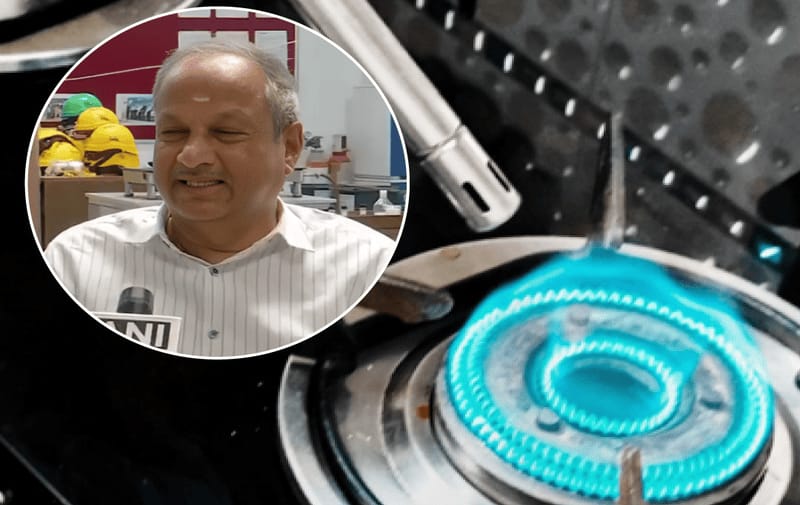
In a major step toward energy independence, scientists at CSIR-National Chemical Laboratory have developed an indigenous technology to produce Dimethyl Ether (DME), a cleaner fuel that can be blended with Liquefied Petroleum Gas (LPG). This innovation comes at a time when India continues to rely heavily on imported cooking fuel, making both affordability and energy security pressing concerns. By creating a domestic solution, Indian scientists are not only addressing a technical challenge but also offering a practical pathway toward a more self-reliant future.Understanding DME and Its ImportanceDimethyl Ether is gaining attention globally as a clean-burning fuel with properties similar to LPG. What makes it particularly important is its ability to produce significantly lower emissions, including reduced soot and harmful gases. At the same time, it delivers comparable efficiency, which means households and industries can use it without compromising performance. This balance between sustainability and functionality is what positions DME as a strong alternative in the energy mix, especially for a country like India, where demand for cooking fuel is massive and continuously growing.Reducing India’s Import BurdenIndia currently imports a large portion of its LPG requirements, with figures reaching nearly 21 million tonnes in recent years. This dependency not only puts pressure on the country’s foreign exchange reserves but also exposes consumers to global price fluctuations. Schemes like the Pradhan Mantri Ujjwala Yojana have expanded access to clean cooking fuel, but they have also increased overall demand. In this context, even partial substitution of LPG with DME could lead to significant savings and greater stability. Experts estimate that replacing just a small percentage of LPG with DME could save thousands of crores annually, making it both an economic and strategic advantage.Seamless Use Without Major ChangesOne of the most promising aspects of this innovation is how easily it can be integrated into existing systems. According to guidelines from the Bureau of Indian Standards, DME can be blended with LPG and used across domestic, commercial, and industrial applications. What makes this especially practical is that lower levels of blending can be used without requiring any changes to existing cylinders, stoves, or regulators. This means that households can continue using their current kitchen setups while benefiting from a cleaner and potentially cheaper fuel, making adoption smooth and accessible.Science Meets InnovationThe technology developed at CSIR-NCL involves converting methanol into DME using an efficient catalyst and optimized reactor system. The research, led by Thirumalaiswamy Raja, represents years of work in catalyst chemistry and process engineering. One of the key advantages of this system is that it operates at relatively low pressure, allowing the fuel to be directly filled into LPG cylinders. This not only simplifies the process but also keeps production costs manageable, which is crucial for large-scale adoption. To ensure that the technology is not limited to research papers, scientists have also developed a practical burner prototype that can operate on LPG, DME, or a mix of both. This adaptability is important because it gives users flexibility and confidence in switching fuels. The prototype has already been tested for efficiency, bringing the innovation one step closer to everyday use. Such efforts highlight how scientific breakthroughs must go beyond theory and connect directly with real-world needs.The Road Ahead for Scaling UpThe journey from innovation to implementation is now entering its next phase. CSIR-NCL is preparing to build a demonstration plant capable of producing DME on a larger scale, with plans to eventually expand to full commercial production. If successful, this could lead to widespread adoption across India, supported by partnerships with energy companies and industrial players. The scale required is significant, especially considering the demand from millions of households, but the foundation has clearly been laid. The development of Dimethyl Ether technology by CSIR-NCL is a powerful example of how homegrown innovation can address national challenges. It brings together science, sustainability, and social impact in a way that has the potential to transform everyday life. As India continues its journey toward energy self-reliance, such breakthroughs serve as reminders that the solutions to some of the biggest challenges can indeed come from within.