A Valley of Flowers in a Mall? Surat Is Making It Happen
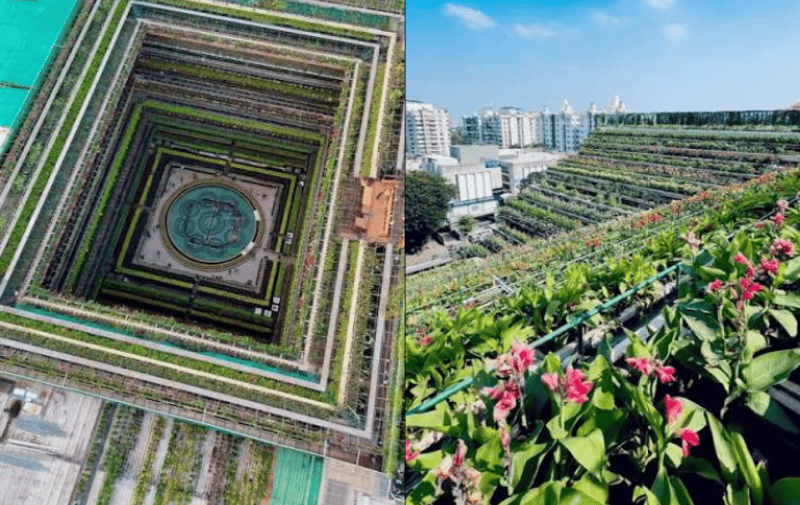
Imagine walking into a mall and finding yourself surrounded by lush greenery, colourful flowers and the refreshing feel of a mountain valley. In Surat, Gujarat, this vision is taking shape at Ashirwad High Street in the Citylight area.Instead of placing a garden inside a shopping mall, the project has turned the concept around by creating a mall within a garden. Dubbed Gujarat’s first ‘Mall in Garden’, this unusual development aims to bring nature into the heart of a busy urban neighbourhood.With concrete buildings dominating modern cities, the project offers a refreshing alternative where greenery is as much an attraction as shopping and entertainment.Four Lakh Plants and Flowers From JapanThe most striking feature of Ashirwad High Street is its collection of more than four lakh plants. The project also features a ‘Valley of Flowers’, with colourful flowering plants specially sourced from Japan.The six-storey complex includes step gardens designed like a series of green terraces, where flowers in around 20 different colours are expected to bloom. Visitors can also explore six distinct garden experiences, including an Orchid Garden and a Terrace Garden.A dedicated tropical garden has been created for indoor plants. High-tech systems help regulate temperature and humidity, providing suitable conditions for plants that need a carefully controlled environment.While four floors are dedicated to shopping, two floors offer food and entertainment facilities. Yet, the gardens are expected to be among the biggest attractions for visitors looking for something beyond the usual mall experience.The project aims to evoke the cool, colourful atmosphere of Kashmir’s flower-filled landscapes, offering Surat residents a nature-inspired outing without travelling far.In a city where summer heat and urban development can make outdoor escapes challenging, the combination of plants, flowers and climate-controlled spaces offers a distinctive way to experience greenery.Six Years of Work Behind the Green VisionAccording to mall operator Mahendra Rathi, Ashirwad High Street was developed around the idea of creating a shopping destination built within a garden. The vision came from nature lover Gopalbhai, and a team has reportedly worked on maintaining the green complex over the past six years.Around 200 people are involved in its upkeep, including 100 gardeners, 50 security personnel and 50 housekeeping staff.As cities grow taller and greener spaces become harder to find, Ashirwad High Street offers a fresh way to rethink urban living. With four lakh plants, colourful blooms and gardens woven into a shopping destination, Surat is showing how nature can become part of everyday city life. If the idea catches on, this garden mall could inspire more cities to bring people closer to nature—without asking them to leave the city behind.