From 12 Hours to Just 6: Ganga Expressway Set to Transform Travel Across Uttar Pradesh
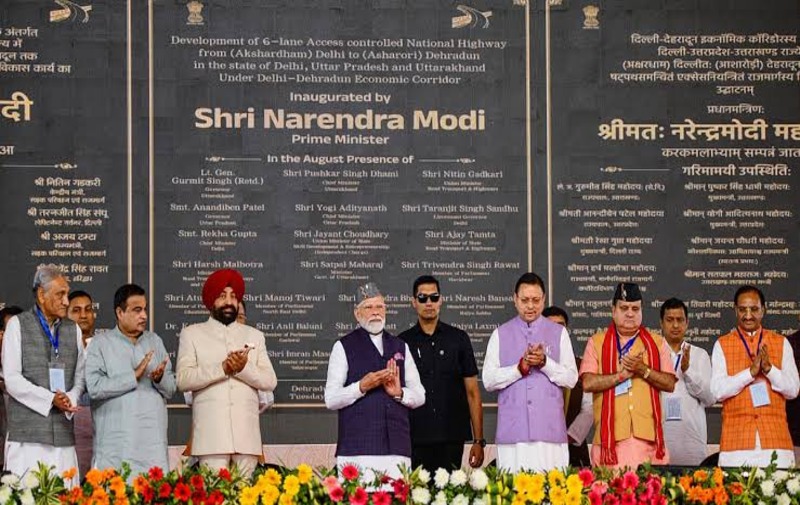
There are roads that connect places, and then there are roads that connect possibilities. The upcoming Ganga Expressway is set to do exactly that. Stretching across the heart of Uttar Pradesh, this massive infrastructure project is not just about reducing travel time; it is about reshaping how people, goods, and dreams move across the state. On April 29, Narendra Modi inaugurated this ambitious corridor from Hardoi, marking a milestone moment in India’s growing infrastructure story.From Hours to Efficiency: A New Travel ExperienceFor years, traveling between Meerut and Prayagraj has meant long hours on crowded highways, often stretching to 10 or even 12 hours. The Ganga Expressway changes that narrative dramatically. Once operational, the journey is expected to take just around six hours. This is not just a statistic—it is time saved, fatigue reduced, and productivity gained. For families, it means shorter, smoother trips. For businesses, it means faster movement of goods. For emergency services, it could mean quicker response times.A Massive Project with a Grand VisionSpanning an impressive 594 kilometres, the expressway is designed as a six-lane, access-controlled greenfield corridor, with the potential to expand to eight lanes in the future. Built at a cost of approximately ₹36,230 crore, it stands as one of the most significant infrastructure investments in the region. But beyond numbers, the project reflects a vision to create a seamless, high-speed corridor that connects western, central, and eastern Uttar Pradesh in a way never seen before.The expressway passes through 12 districts, including Bulandshahr, Amroha, Badaun, Shahjahanpur, and Raebareli, before reaching Prayagraj. Each of these regions has its own story, its own economy, and its own aspirations. For residents in smaller towns and rural areas, better connectivity often translates into better opportunities. The Ganga Expressway is not a standalone project. It integrates with major corridors like the Agra-Lucknow Expressway and planned links such as the Jewar and Farrukhabad corridors. This interconnected network creates a web of high-speed routes, enabling smoother travel across the state and beyond. It positions Uttar Pradesh as a key hub in India’s logistics and transportation landscape. Among the most striking features of the expressway is a 3.5-kilometer-long emergency airstrip located in Shahjahanpur. Designed to allow fighter jets and military aircraft to land during emergencies, it adds a strategic dimension to the project.Driving Economic Growth Along the CorridorBeyond transportation, the expressway is expected to act as a catalyst for economic development. Plans for an Integrated Manufacturing and Logistics Corridor spread across approximately 2,635 hectares aim to attract industries, create jobs, and boost local economies. Reduced logistics costs can make businesses more competitive, encouraging investment in the region. Warehousing, manufacturing units, and service industries are likely to flourish along the route. For many districts, this could mean a shift from limited opportunities to sustained economic activity.The Ganga Expressway represents more than just a road—it represents momentum. It reflects India’s growing focus on building world-class infrastructure that supports both economic growth and everyday convenience. As vehicles begin to move along this corridor, they will carry more than passengers and goods. They will carry progress, opportunity, and the promise of a better-connected future.