
Project-75I: India’s Massive Submarine Deal to Boost Naval Dominance
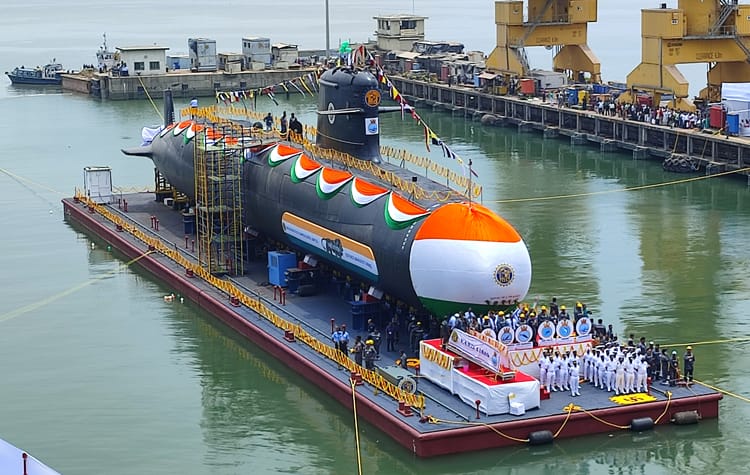
India is preparing for one of its biggest defence upgrades beneath the ocean. Under the ambitious Project-75I, the government is moving ahead with a ₹99,000-crore submarine deal with Germany to build six advanced conventional submarines for the Indian Navy. The submarines will be developed in collaboration with German defence company ThyssenKrupp Marine Systems (TKMS) and constructed in India by Mazagon Dock Shipbuilders Limited (MDL) in Mumbai.The project is considered one of the largest naval modernisation programmes in India’s history. These submarines are expected to significantly strengthen India’s underwater combat capability at a time when maritime competition in the Indian Ocean region is growing rapidly.India’s Navy currently operates several submarines that are gradually nearing the end of their service life. By introducing six next-generation vessels, the country aims to boost its stealth strength underwater and ensure it maintains a strong and credible presence across important global sea routes.The Technology That Makes Them PowerfulWhat makes these submarines particularly advanced is their Air-Independent Propulsion (AIP) technology. Unlike traditional diesel-electric submarines that must surface regularly to recharge batteries, AIP allows submarines to stay underwater for much longer periods while remaining extremely quiet.This stealth capability is a major advantage in modern naval warfare. Submarines equipped with AIP can remain hidden while monitoring enemy movement or carrying out strategic operations. The new submarines are expected to weigh around 3,000 tonnes and will be capable of carrying heavyweight torpedoes and advanced missile systems designed to target enemy ships and strategic land positions.The design offered through the Indo-German collaboration is believed to be based on Germany’s highly respected Type-214 submarine platform, known worldwide for its silent operation and cutting-edge combat systems.A Big Push for “Make in India”Beyond strengthening the Navy, the project is also expected to boost India’s domestic defence manufacturing sector. Unlike earlier defence purchases that relied heavily on imports, these submarines will largely be built in India, with German technology and expertise supporting the process.Mazagon Dock Shipbuilders Limited, which successfully built the Scorpene-class submarines for the Indian Navy, will play a central role in assembling the new fleet. The collaboration will allow Indian engineers, technicians, and defence manufacturers to gain valuable experience in building complex underwater platforms.Over time, this transfer of technology could help India develop stronger indigenous capabilities in submarine construction, reducing dependence on foreign suppliers and strengthening the country’s long-term defence self-reliance.A Strategic Move for the Indo-PacificThe decision to move forward with the submarine program comes at a time when the Indo-Pacific region is witnessing growing naval activity. Submarines have become one of the most crucial assets for modern navies because of their ability to operate silently, gather intelligence, and strike when needed.Once these submarines enter service, they will significantly improve India’s ability to monitor maritime traffic, protect its coastline, and safeguard vital trade routes in the Indian Ocean. The first submarine under the program is expected to be delivered several years after the contract is signed, with the rest joining the fleet gradually afterward.In many ways, the ₹99,000-crore submarine deal represents more than just a defence purchase. It reflects India’s long-term vision of building a stronger, technologically advanced navy capable of protecting its strategic interests across the world’s oceans.