
When LPG Ran Dry, This UP Village Lit Its Future with Cow Dung And Saved 125 Homes from Crisis
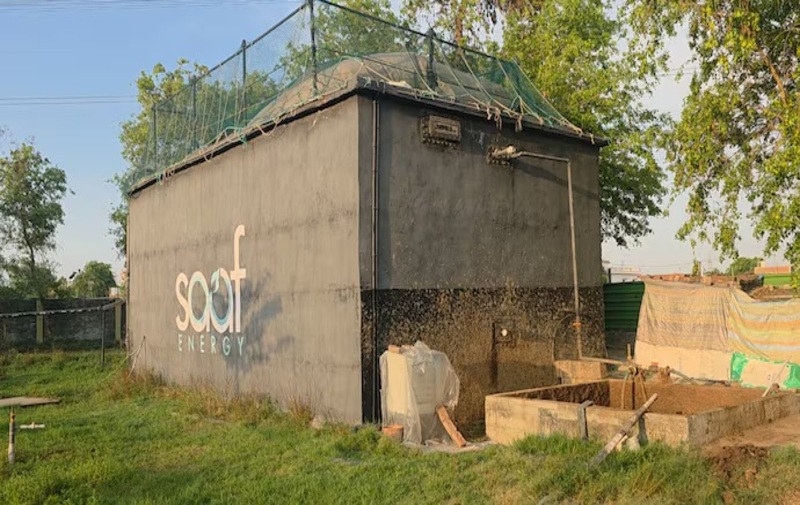
In a time when many parts of India are struggling with LPG shortages, a small village in Chandauli district of Uttar Pradesh is living a different reality. While people in cities and towns stand in long queues waiting for gas cylinders, life in Ekauni village continues without panic. Kitchens are running, meals are being cooked, and daily routines remain uninterrupted. The reason behind this calm is not luck, but a thoughtful decision taken a few years ago one that has now turned into a lifeline.A Crisis That Didn’t Reach EveryoneThe ongoing geopolitical tensions involving countries like Israel, the United States, and Iran have disrupted fuel supply chains globally. In India, this has led to LPG shortages, affecting households that depend entirely on gas cylinders for cooking. However, in Ekauni village, nearly 125 out of 150 families have remained unaffected. Instead of LPG, they rely on biogas a local, sustainable fuel source that has shielded them from the crisis. Residents receive biogas supply for a few hours in the morning and evening, enough to meet their daily cooking needs. What once seemed like a routine arrangement has now become their biggest strength.The Idea That Changed EverythingThe transformation of the village began in 2022, when a local resident, Chandra Prakash Singh, decided to think differently. After completing his BTech, instead of pursuing a corporate career, he returned home to work with his father in their gaushala. Over time, their cattle count grew from around 50 to nearly 200. With that growth came a challenge managing the large amount of cow dung produced every day. Where others might have seen waste, Singh saw potential. He realised that the 3,000 kilograms of cow dung generated daily could be converted into biogas. With this idea, and with the support of the villagers, he set up a community biogas plant.Turning Waste into Daily EnergyThe plant began converting organic waste into clean, usable fuel. Pipelines were laid to connect homes, and gradually, families started using biogas for cooking. At that time, it was simply seen as a cost-effective and eco-friendly alternative. No one imagined that it would one day protect the village from a national fuel crisis. Today, that same decision is helping families avoid the stress of LPG shortages. For residents like Kanchan Singh, the importance of biogas has become clearer than ever. Earlier, it was just another utility. Now, it is a source of relief. Families plan their cooking around the supply hours, but they do so without anxiety. There are no long waits, no uncertainty about availability. Another villager, Akhilesh Singh, highlights the economic benefit as well. Biogas costs nearly half as much as LPG, making it not just reliable, but also affordable. In difficult times, such advantages make a big difference.More Than Just a Fuel AlternativeThis initiative is not only about cooking gas. It represents something much deeper. It shows how a community can become self-reliant. It proves that solutions to big problems do not always need to come from outside. Sometimes, they already exist within a village waiting to be realised. The biogas plant has reduced dependence on external fuel supply, managed waste effectively, and created a sustainable cycle of energy. India generates massive amounts of organic waste every day, especially in rural areas. If more villages adopt similar biogas solutions, it could significantly reduce dependence on LPG and other fuels.