Guinness World Record Pride: Tricolour and Team Spirit Shine Underwater in Andaman
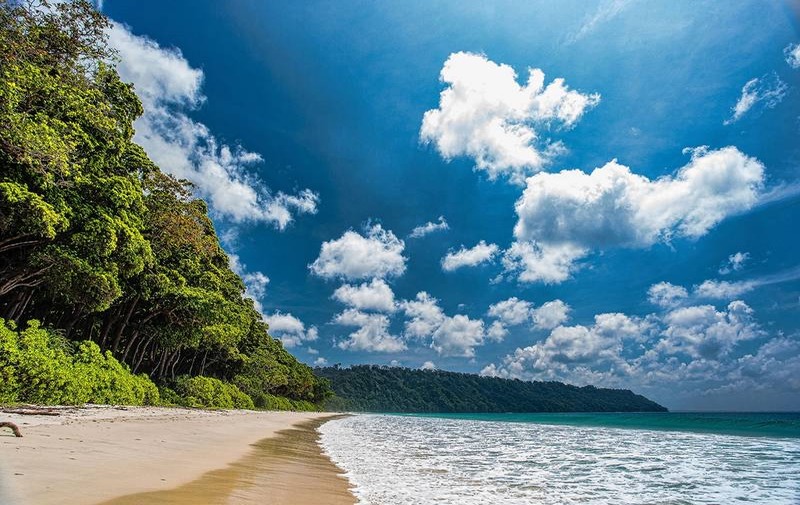
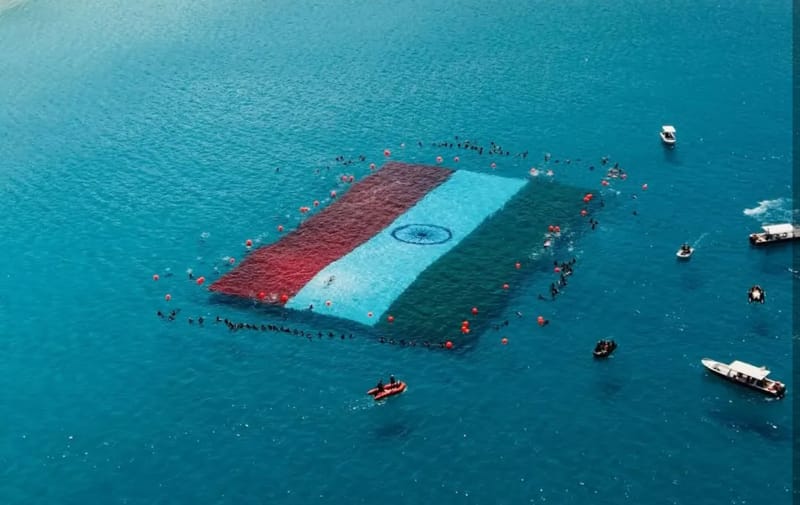
In a scene that looked straight out of a dream, the calm blue waters of the Andaman Sea turned into a stage for history. Beneath the surface, where coral reefs sway gently and marine life glides freely, over 200 divers came together to create something extraordinary. The Guinness World Records officially recognised not one but two stunning achievements in the Andaman & Nicobar Islands, marking a proud and powerful moment for India. What made this event special was not just the records themselves, but the spirit behind them. It was a celebration of unity, courage, and a shared vision to showcase the islands as one of the world’s most exciting diving destinations.The Giant Tricolour UnderwaterThe first record unfolded at the breathtaking Radhanagar Beach, often ranked among Asia’s most beautiful beaches. But this time, the real magic happened below the surface. A massive Indian national flag, measuring an incredible 60 metres by 40 metres, was carefully unfurled underwater. Covering 2,400 square metres, the flag resembled half a football field in size. Holding it steady beneath the waves was no easy task. Divers had to anchor each section carefully while balancing against ocean currents, all while maintaining neutral buoyancy. Every movement had to be precise, every breath controlled. More than 200 divers took part in this operation, including personnel from the police, navy, coast guard, forest department, and private dive centres. Among them were young participants as well, including teenagers who became part of history at such an early age. It was not just a technical achievement it was an emotional one.Building a Human Tower UnderwaterJust a day later, the excitement continued at the Lighthouse dive site on Swaraj Dweep. This time, the challenge was even more daring a human tower underwater. Fourteen scuba divers stood on each other’s shoulders to form a vertical stack that reached an astonishing height of 22.3 metres. Holding such a formation underwater is far more difficult than on land. The divers had to maintain perfect balance, equal weight distribution, and calm breathing while surrounded by shifting currents. For three full minutes, the tower stood strong beneath the sea, achieving the record for the tallest human stack underwater. It was a powerful symbol of trust and coordination. Each diver depended entirely on the person below them, showing what teamwork truly means.More Than Just RecordsThese achievements were not just about breaking records. They were part of a larger vision—to put the Andaman & Nicobar Islands on the global adventure tourism map. The islands, located closer to Southeast Asia than mainland India, are home to rich marine biodiversity. From colourful coral reefs to exotic fish and occasional sightings of larger marine species, the underwater world here is vibrant and full of life. Places like Swaraj Dweep have long been known among divers, but events like these bring international attention on a much bigger scale. Officials believe that such initiatives will boost scuba diving tourism, attract global travellers, and create new opportunities for local communities. Dive centres, eco-tourism businesses, and marine conservation efforts are all expected to benefit.What happened beneath the sea has now reached the world, inspiring travellers, divers, and dreamers alike. The Andaman & Nicobar Islands are no longer just a quiet getaway they are now a symbol of possibility. A place where records are broken, where teamwork reaches new heights (and depths), and where the ocean becomes a canvas for human ambition.

.jpg)