"Dream, Dream, Dream! Conduct these dreams into thoughts, and then transform them into action."
- Dr. A. P. J. Abdul Kalam
"Dream, Dream, Dream! Conduct these dreams into thoughts, and then transform them into action."
- Dr. A. P. J. Abdul Kalam
3 Apr 2026
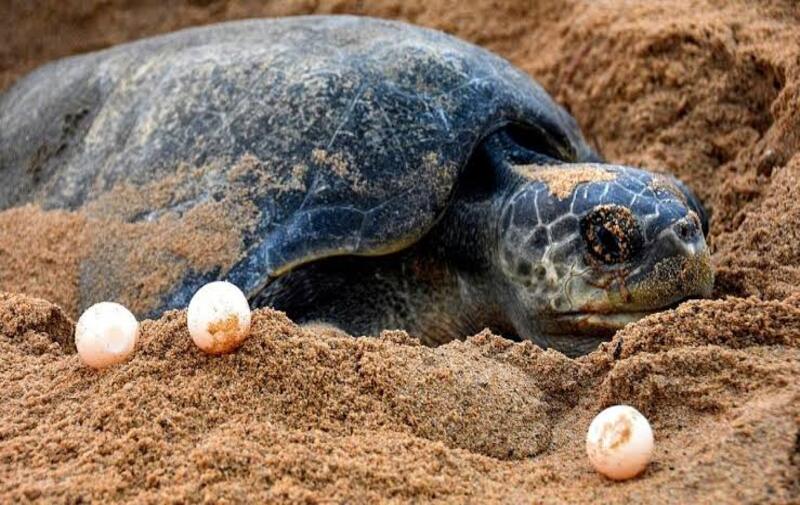
On the sandy beaches of Chennai, something magical unfolded as nearly 300 baby Olive Ridley turtles made their way into the sea. At the Besant Nagar hatchery, these tiny creatures, no bigger than a human palm, began a journey that spans thousands of kilometres across oceans. This wasn’t just a routine wildlife event; it was a moment filled with hope, survival, and the quiet success of conservation efforts that often go unnoticed.
At the Besant Nagar hatchery, wildlife officials recently released 46 hatchlings from a clutch of 94 eggs. The rest are expected to follow soon, breaking free from their shells and instinctively heading toward the sea. This journey, often referred to as the “great crawl,” is one of the most dangerous phases in a turtle’s life. From the moment they hatch, these baby turtles must navigate sand, avoid predators, and reach the ocean all within minutes. And yet, they do it with astonishing determination, guided only by instinct.
The nesting season for Olive Ridley turtles begins in December and continues until April along the Tamil Nadu coast. During this time, female turtles come ashore under the cover of darkness to lay eggs before returning to the sea. This year has been particularly encouraging. Authorities identified 209 nests across Chennai’s beaches, collecting over 24,000 eggs and relocating them to hatcheries. These controlled environments protect the eggs from predators, rising tides, and human interference. In nearby Pulicat, even more positive signs emerged, with 93 nests containing over 10,000 eggs. These numbers highlight a growing success story in marine conservation.
Without human support, many of these hatchlings would never survive. Conservation teams carefully collect eggs from vulnerable nesting sites and relocate them to safer hatcheries. This ensures a higher survival rate and gives the turtles a fighting chance. Officials like Supriya Sahu have emphasized how these efforts are making a real difference. The work is not just about saving turtles; it’s about restoring balance in marine ecosystems. Similarly, Chennai wildlife warden Manish Meena highlighted the role of community participation in these efforts. Local volunteers, students, and conservationists all contribute to protecting these fragile lives.
Though small in size, Olive Ridley turtles play a significant role in maintaining ocean health. They help control jellyfish populations and contribute to the balance of marine ecosystems. However, they are classified as vulnerable due to threats like plastic pollution, fishing nets, coastal development, and climate change. Every hatchling that reaches the sea represents a step toward preserving this species. Their survival is not just about one species; it’s about the health of entire oceans. There is something deeply moving about watching baby turtles take their first steps. They emerge from the sand, fragile yet determined, and begin a race toward the vast ocean.
What makes this story even more special is the collective effort behind it. From forest officials to local volunteers, many hands come together to protect these turtles. The increasing number of nests and successful hatchings is proof that conservation works when communities get involved. Awareness campaigns, beach patrols, and hatchery management have all contributed to this positive trend. It’s a powerful example of how small actions, when combined, can create a big impact. Despite the progress, the journey is far from over. Many hatchlings still face dangers once they enter the ocean. Predators, pollution, and human activities continue to threaten their survival. Climate change also affects nesting patterns, as rising temperatures can influence the sex ratio of hatchlings and disrupt natural cycles. This makes ongoing conservation efforts even more crucial.
Tiny flippers, big journey—each hatchling carries the hope of healthier oceans and a future we can still protect.
Romanticizing life and shaping stories from everything I see through my journalistic lens. Also, I love sports on the side.