"Dream, Dream, Dream! Conduct these dreams into thoughts, and then transform them into action."
- Dr. A. P. J. Abdul Kalam
"Dream, Dream, Dream! Conduct these dreams into thoughts, and then transform them into action."
- Dr. A. P. J. Abdul Kalam
16 Oct 2026
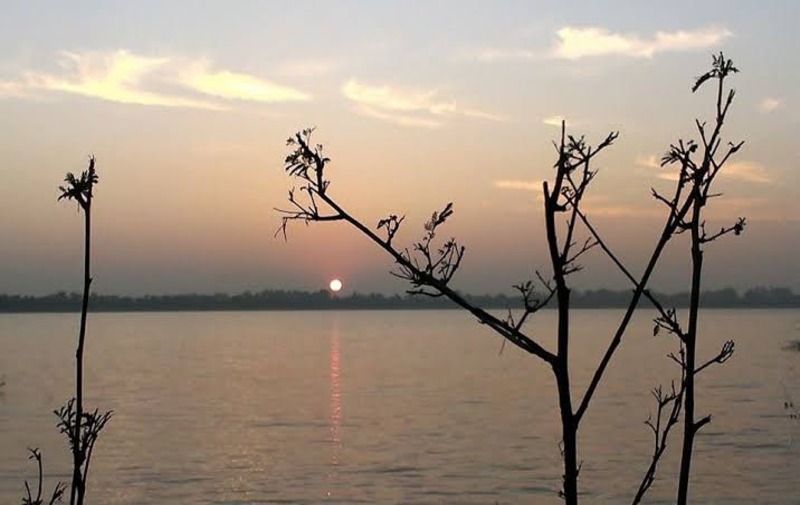
A favourite destination for morning walks, beautiful sunsets and peaceful boat rides, Sukhna Lake has earned a new distinction that goes far beyond its scenic beauty. The iconic Chandigarh wetland has been designated a Ramsar Site, recognising it as a Wetland of International Importance and placing it on the global conservation map.
Announced on October 15, 2026, the designation makes Sukhna Wetland one of the latest additions to India’s Ramsar network. Along with Sauj Jheel in Uttar Pradesh, it takes the country’s total to 103 Ramsar sites. Sukhna has been assigned Site Number 2602 on the Ramsar List.
But what makes this urban wetland so special?
Located at the foothills of the Outer Himalayas, Sukhna Wetland spans approximately 565 acres and supports a rich variety of habitats. Its landscape includes open water, shallow waterside vegetation, scrub and forest, creating a refuge for wildlife amid a growing urban environment. The wetland plays an important role in regulating water and sediment flows from its surrounding catchment. Its ecological value, however, extends well beyond the water it holds.
Sukhna is an important habitat for resident waterbirds and migratory birds travelling along the Central Asian Flyway, a major migration route connecting regions across Asia. The wetland provides feeding, breeding, resting and wintering grounds for these winged visitors.
Among the species that make Sukhna ecologically significant is the vulnerable common pochard, a diving duck that depends on suitable wetland habitats. The site also supports the endangered Pallas’s fish eagle, a large bird of prey, and the endangered black pond turtle.
The presence of such species highlights why wetlands are much more than scenic water bodies. They provide food, shelter and breeding habitats that help sustain biodiversity. Protecting them also helps preserve the ecological connections on which numerous species depend.
The Ramsar Convention is an international treaty adopted in 1971 in the Iranian city of Ramsar. It encourages countries to conserve wetlands and promote their wise use.
A Ramsar designation recognises a wetland’s international ecological importance. It also draws attention to the responsibility of maintaining its natural functions and biodiversity.
Sukhna’s new status is a significant milestone, but long-term conservation remains essential. Sediment flowing in from the surrounding catchment and invasive plant species continue to pose management challenges. Measures such as soil and moisture conservation, reducing erosion and controlling invasive vegetation will be important in maintaining the wetland’s health.
For Chandigarh, Sukhna’s Ramsar recognition is a moment of pride—and a reminder that protecting nature is just as important as celebrating it.
.jpeg)
I have a Masters in Literature and a knack for spotting the silver lining! When I’m not chasing good news, you’ll find me nurturing my farm or lost in a good book.