"Dream, Dream, Dream! Conduct these dreams into thoughts, and then transform them into action."
- Dr. A. P. J. Abdul Kalam
"Dream, Dream, Dream! Conduct these dreams into thoughts, and then transform them into action."
- Dr. A. P. J. Abdul Kalam
24 Jan 2026
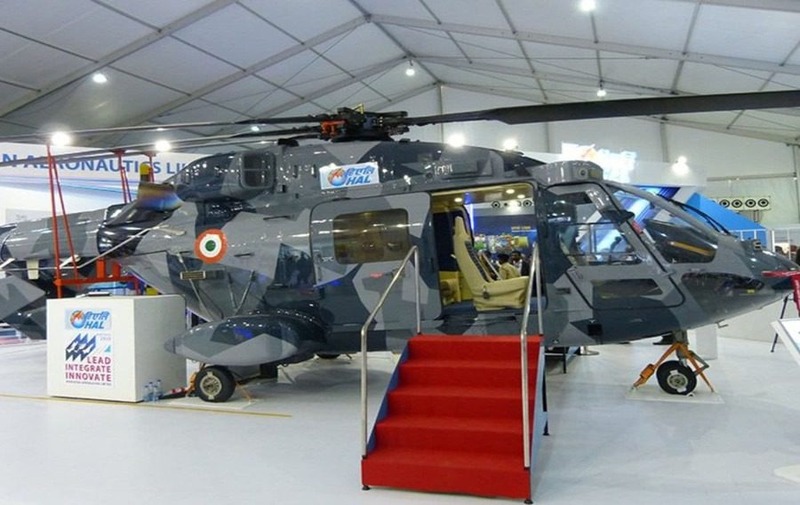
India’s aviation story is entering a decisive phase, one shaped not by imports or adaptations, but by original design and domestic capability. Hindustan Aeronautics Limited is preparing to conduct the first flight of its indigenously developed Utility Helicopter–Maritime, or UH-M, for the Indian Navy later this year. While the event itself may last only minutes, its significance stretches far beyond the runway. It represents India’s growing confidence to design, build, and operate complex military platforms tailored precisely to its own strategic needs. For the Indian Navy, which operates across vast oceans and challenging environments, this helicopter is not just another aircraft. It is a long-term investment in reliability, safety, and sovereign capability at sea.
What sets the UH-M apart is its purpose-built nature. Unlike earlier utility helicopters that were modified for naval use, the UH-M has been conceived from the very beginning as a maritime platform. Every design choice reflects the realities of naval aviation: salt-laden air, limited deck space, unpredictable weather, and the constant demands of ship-based operations. HAL’s engineers have focused on corrosion resistance, compact dimensions for shipboard storage, and robust safety systems suited for over-sea flying. Operating from warships is fundamentally different from flying over land, and the UH-M reflects that understanding in its structure, systems, and operational philosophy.
The UH-M is being developed as a true multi-role helicopter, capable of handling a wide range of naval missions. It will support transport and logistics, move personnel and supplies between ships and coastal bases, and assist in operational tasks essential to fleet readiness. In naval aviation, versatility is not a luxury—it is a necessity. A single helicopter often performs multiple roles in a single deployment cycle, and the UH-M is designed to meet those demands without compromise. This flexibility will reduce operational strain and increase the Navy’s ability to respond quickly in both routine and emergency situations.
The UH-M is a fresh design-and-development program, not a licensed build or incremental upgrade. That distinction matters. Designing a helicopter from scratch requires mastery over aerodynamics, materials science, avionics, propulsion integration, and safety engineering. It also demands years of testing, iteration, and learning. HAL’s decision to pursue a clean-sheet design reflects the maturity of India’s aerospace ecosystem. The helicopter’s upcoming flight trials will mark the transition from design validation to real-world performance testing, a phase where theory meets reality. According to current timelines, the UH-M is expected to enter service with the Indian Navy by around 2030.
The UH-M program fits squarely within India’s broader push for self-reliance under the Atmanirbhar Bharat vision. Naval helicopters are mission-critical assets, and dependence on foreign suppliers for such platforms can create operational and strategic vulnerabilities. By developing a helicopter tailored to Indian naval requirements, HAL is reducing long-term dependence on imports while strengthening domestic supply chains. Indigenous production also means easier upgrades, faster maintenance cycles, and greater control over future improvements as operational needs evolve.
The upcoming first flight of the UH-M may not generate the spectacle of a fighter jet debut, but its symbolism is profound. It signals confidence—confidence in Indian engineering, confidence in domestic industry, and confidence in a future where critical defence platforms are designed at home. As the rotors spin for the first time, India’s naval aviation journey will take another step forward. Not borrowed, not adapted, but built—proudly and purposefully in India.
Romanticizing life and shaping stories from everything I see through my journalistic lens. Also, I love sports on the side.