"Dream, Dream, Dream! Conduct these dreams into thoughts, and then transform them into action."
- Dr. A. P. J. Abdul Kalam
"Dream, Dream, Dream! Conduct these dreams into thoughts, and then transform them into action."
- Dr. A. P. J. Abdul Kalam
28 Apr 2026
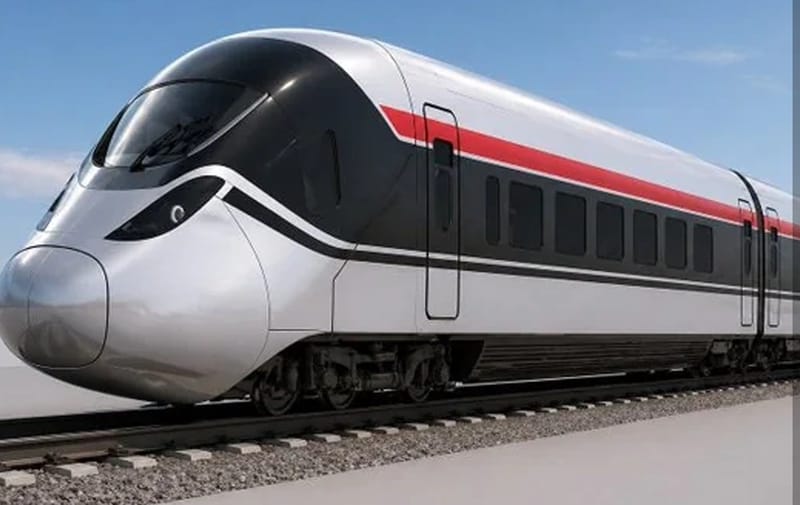
On a day that quietly marked a powerful leap forward, India revealed the first look of its indigenous bullet train prototype, B28. Developed by BEML Limited, this sleek, modern train is more than just a technological showcase, it is a symbol of a nation steadily accelerating toward a future built on its own capabilities. For decades, the idea of bullet trains in India has been associated with foreign technology and partnerships. But the unveiling of the B28 changes that narrative. It tells a new story—one where India is not just adopting global advancements but actively creating them.
India’s journey toward high-speed rail has always been driven by a larger vision: faster connectivity, economic growth, and modern infrastructure that matches global standards. The B28 prototype is a key step in that journey. Designed as part of India’s upcoming high-speed rail corridors, the train represents a focused effort to develop locally manufactured rolling stock. This move is not just about technology; it is about self-reliance. By building its own high-speed trains, India aims to reduce dependency on imports and strengthen its domestic manufacturing ecosystem. The B28 fits perfectly into the broader national vision of “Make in India,” where innovation and production go hand in hand to create solutions tailored to the country’s needs.
At first glance, the B28 impresses with its aerodynamic design. Every curve and contour of the train has been crafted to reduce air resistance, allowing it to move at high speeds while maintaining stability and efficiency. But what truly sets the B28 apart is its adaptability. Unlike imported designs that are often built for specific environments, this prototype has been developed keeping India’s diverse conditions in mind. From extreme heat in the north to heavy rains in coastal regions, the train is designed to perform reliably across varied climates. Safety has also been a central focus. Advanced systems are expected to ensure smooth operations even at high speeds, giving passengers not just faster travel but also peace of mind.
High-speed travel is not just about reaching destinations quickly; it is also about how passengers experience the journey. The B28 has been designed with modern passenger comfort features that aim to transform rail travel in India. Spacious seating, improved ride quality, and a quieter interior environment are expected to redefine expectations. For a country where train journeys are often long and deeply personal experiences, this shift toward comfort adds a new dimension.
The unveiling of the B28 is not an isolated achievement. It is part of a larger effort to build a comprehensive high-speed rail ecosystem in India. This includes not just trains but also tracks, signaling systems, and supporting infrastructure. By developing indigenous technology, India is creating opportunities for local industries, engineers, and skilled workers. It encourages innovation within the country and opens doors for future advancements. Moreover, such initiatives have a ripple effect on the economy. From job creation to technological growth, the benefits extend far beyond the rail sector. For many, the B28 is more than a machine; it is a moment of pride. It represents the hard work of engineers, designers, and workers who have come together to build something meaningful.
The story of the B28 is not just about a train; it is about a journey. A journey toward self-reliance, innovation, and a future where India stands strong on the global stage of technology and infrastructure. As the country continues to expand its high-speed rail network, the B28 will be remembered as one of the early milestones, a moment when India decided not just to follow the path of progress but to create its own. And in that decision lies the true power of this achievement: the belief that the future can be built at home, by its own people, for its own dreams.

Writing about what truly matters, good news and stories to remind the world - it is brighter than we think.