"Dream, Dream, Dream! Conduct these dreams into thoughts, and then transform them into action."
- Dr. A. P. J. Abdul Kalam
"Dream, Dream, Dream! Conduct these dreams into thoughts, and then transform them into action."
- Dr. A. P. J. Abdul Kalam
17 Apr 2026
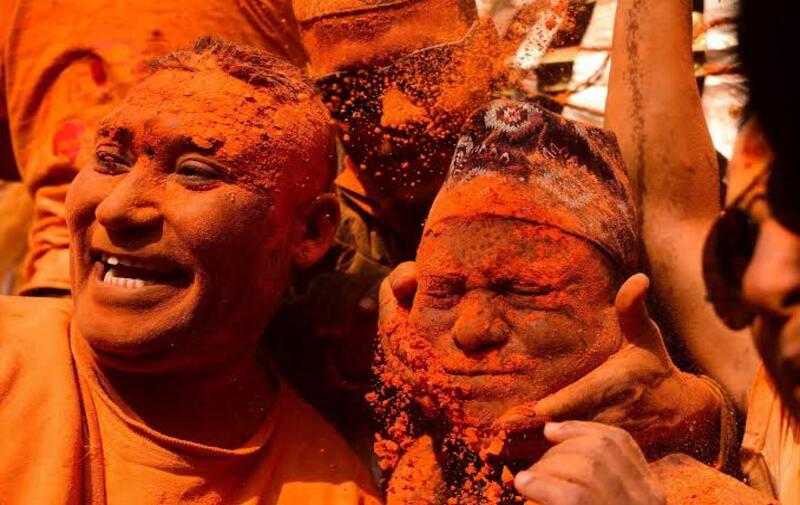
As the first light of the Nepali New Year rises over the historic towns of the Kathmandu Valley, something extraordinary begins to unfold. In the heart of Madhyapur Thimi and Bhaktapur, the streets slowly transform into a sea of red. Clouds of vermillion powder fill the air, laughter echoes through ancient alleys, and thousands of people gather in celebration. This is Sindoor Jatra, one of Nepal’s most visually striking and culturally rich festivals. Celebrated as part of the grand Biska Jatra, it marks not just the beginning of a new year but the continuation of a living heritage that binds communities together.
Sindoor Jatra is observed on the second day of Baisakh, the first month of the Nepali calendar. While it is widely known for its vibrant visuals, the festival holds deep cultural and religious significance. The use of sindoor, or vermillion powder, symbolizes prosperity, energy, and auspicious beginnings. As participants smear and throw the red powder on each other, it becomes more than just a celebration; it becomes a ritual of shared blessings. In those moments, differences dissolve, and a sense of unity takes over. The festival also signifies the arrival of spring, a season associated with renewal and hope. In a way, the red powder covering the streets reflects the warmth and vitality that the new season brings.
One of the most important elements of the festival is the procession of 32 sacred khats—small wooden chariots carrying deities. These chariots are brought out into the streets with great devotion, accompanied by traditional music, rhythmic drums, and chanting. As the khats move through the narrow lanes of Madhyapur Thimi, they are surrounded by crowds covered in red powder, dancing and celebrating. The sight is both chaotic and beautiful, a perfect blend of spirituality and festivity. Each khat represents a connection between the people and the divine. Carrying them through the streets is not just a ritual but an expression of faith that has been preserved for generations.
What makes Sindoor Jatra truly unforgettable is its visual intensity. By the time the celebrations reach their peak, the entire town appears drenched in shades of red and orange. From rooftops to doorways, from the clothes of participants to the ancient brick walls, everything is covered in vermillion. The air itself seems to glow with color, creating a surreal atmosphere that feels almost dreamlike. These stunning visuals have made the festival increasingly popular beyond Nepal, drawing attention from travelers, photographers, and cultural enthusiasts around the world. Yet, despite this global fascination, the essence of the festival remains deeply local, rooted in community, faith, and shared joy.
As Nepal continues to modernize, festivals like Biska Jatra and its vibrant component, Sindoor Jatra, play a crucial role in preserving cultural identity. They serve as a bridge between generations, allowing younger people to experience traditions that have been passed down for centuries. At the same time, they offer the world a glimpse into Nepal’s rich cultural tapestry. The 2026 celebration once again proved that even in an age of rapid change, the spirit of tradition remains strong.
As the day comes to an end and the crowds begin to disperse, the streets of Bhaktapur remain painted in red—a lingering reminder of the joy and unity that filled the air. But the true essence of Sindoor Jatra is not just in the color left behind. It lives on in the smiles, the shared moments, and the stories carried forward. In celebrating the New Year with such passion and devotion, the people of Nepal remind us that festivals are not just events; they are experiences that bring life, culture, and humanity together in the most beautiful way possible.
Writing about what truly matters, good news and stories to remind the world - it is brighter than we think.