"Dream, Dream, Dream! Conduct these dreams into thoughts, and then transform them into action."
- Dr. A. P. J. Abdul Kalam
"Dream, Dream, Dream! Conduct these dreams into thoughts, and then transform them into action."
- Dr. A. P. J. Abdul Kalam
22 Apr 2026
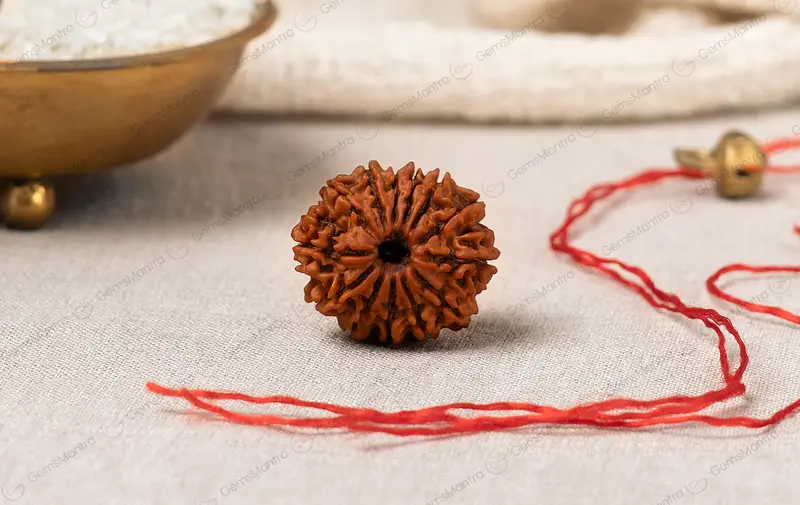
High in the lap of the Himalayas, where snow-capped peaks touch the sky and rivers flow with ancient rhythm, lies a quiet secret that has fascinated spiritual seekers for centuries. Nepal is not just known for its mountains and temples—it is revered as the world’s Rudraksha capital. These sacred beads, deeply connected to spirituality and healing, are more than just seeds. They are symbols of belief, energy, and a timeless connection between nature and human life. For many, a Rudraksha bead is not simply worn; it is experienced. It carries with it stories, traditions, and a sense of calm that transcends cultures and borders.
The story of Rudraksha begins not with science, but with faith. According to ancient Hindu texts, these beads were born from the tears of Lord Shiva. It is believed that when Shiva opened his eyes after deep meditation, tears fell upon the Earth, giving rise to the Rudraksha tree. This divine origin has made Rudraksha an integral part of spiritual practices for centuries. Worn by sages, monks, and devotees, the beads are seen as a bridge between the physical and spiritual worlds. In Nepal, where spirituality is woven into daily life, this belief feels alive, not distant.
While Rudraksha trees can be found in parts of India and Indonesia, there is one region that stands above all others: the Arun Valley in eastern Nepal. Nestled between towering Himalayan ranges and close to protected regions like Makalu-Barun National Park, this valley offers the perfect environment for these sacred trees to thrive. The Arun River flows through this landscape, naturally nourishing the soil and sustaining life. The high altitude, clean air, and mineral-rich earth create conditions that are almost impossible to replicate elsewhere. Here, Rudraksha trees grow slowly, absorbing the purity of their surroundings. This slow growth is key. It results in beads that are larger, heavier, and marked by deeper lines, known as “mukhis.” These features are not just physical; they are believed to enhance the bead’s spiritual and energetic value.
Across the world, spiritual practitioners often prefer Nepali Rudraksha over others. The reason lies in both quality and rarity. Nepal produces some of the most sought-after varieties, including the rare Gauri Shankar, Trijuti, and even the legendary 21-Mukhi beads, each carrying unique spiritual significance. Unlike mass-produced alternatives, authentic Nepali Rudraksha beads are often carefully verified. Many undergo laboratory testing and X-ray certification to confirm their authenticity. Before reaching devotees, they are traditionally energised through rituals at the sacred Pashupatinath Temple, one of the holiest sites dedicated to Lord Shiva. This combination of natural origin, scientific validation, and spiritual ritual gives Nepali Rudraksha a unique identity, one that blends belief with trust.
While Rudraksha is deeply rooted in faith, modern science has begun to explore its physical properties. Studies suggest that these beads possess bio-electromagnetic, dielectric, and paramagnetic qualities. In simple terms, they may interact with the body’s natural electrical and magnetic systems. Researchers have found that Rudraksha beads can act as natural insulators, helping to stabilise the body’s energy flow. This interaction is believed to calm the nervous system, reduce stress, and promote mental balance. Some studies even indicate potential benefits such as lowering blood pressure, stabilising heart rate, and improving focus. The presence of essential minerals like copper, iron, zinc, and manganese within the beads adds another layer of interest. These elements play important roles in health, and their natural presence in Rudraksha has drawn attention from both scientists and wellness practitioners.
In a fast-moving world driven by technology and change, the enduring appeal of Rudraksha is remarkable. It represents a rare harmony between ancient belief and modern understanding. It shows that nature, when respected and preserved, can offer solutions that go beyond what we often expect. Nepal’s status as the world’s Rudraksha capital is not just about geography; it is about a unique combination of environment, tradition, and knowledge. It is about a valley where nature and spirituality meet, creating something that continues to inspire people across generations.
Romanticizing life and shaping stories from everything I see through my journalistic lens. Also, I love sports on the side.