"Dream, Dream, Dream! Conduct these dreams into thoughts, and then transform them into action."
- Dr. A. P. J. Abdul Kalam
"Dream, Dream, Dream! Conduct these dreams into thoughts, and then transform them into action."
- Dr. A. P. J. Abdul Kalam
27 Apr 2026
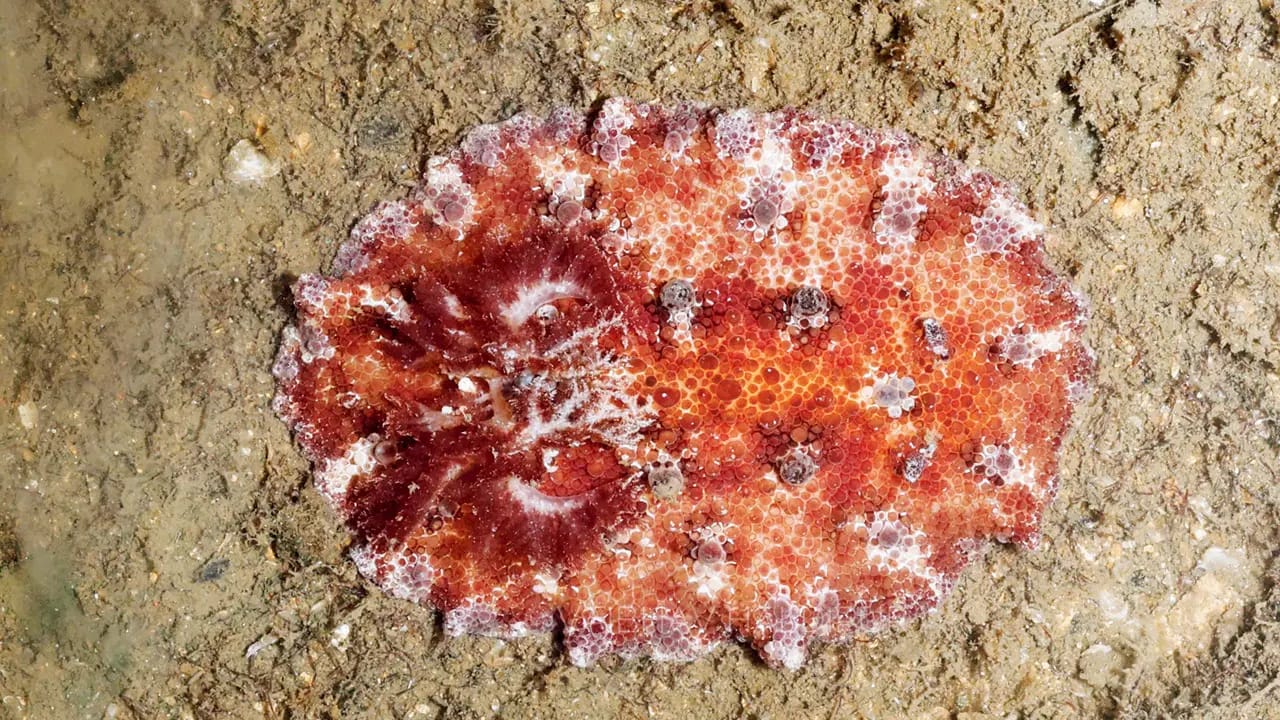
On a seemingly ordinary day at Haji Ali, something extraordinary unfolded beneath the shallow coastal waters. Wildlife enthusiasts spotted a rare sea slug, Discodorid cebuensis, a species never before recorded in India. What began as a curious observation soon turned into a significant scientific moment, placing Mumbai’s coastline on the global map of marine biodiversity. For a city known more for its bustling streets and iconic skyline, this discovery offered a quiet but powerful reminder: nature still thrives in unexpected corners, even in the heart of urban life.
The newly recorded species belongs to the Discodorididae family, a group of dorid nudibranchs found across tropical Indo-West Pacific waters. Nudibranchs, often called sea slugs, are soft-bodied marine creatures known for their striking forms and ecological importance. Discodorid cebuensis is not flashy in color compared to some of its relatives, but its uniqueness lies in its structure. Experts identified it through its flat, slightly squashed body, dotted with small bumps along its back. It has a firm outer covering supported by tiny internal structures, along with a distinct thin line running along its body from the rhinophores, its sensory organs, to its gills. These subtle but defining features confirmed its identity, turning a simple sighting into a documented addition to India’s marine records.
Until now, Discodorid cebuensis has been primarily known from regions like the Philippines. Its sudden appearance along India’s western coast may seem surprising, but scientists suggest it is ecologically consistent. Marine ecosystems are interconnected, and species often travel through ocean currents or expand their range over time. The Arabian Sea, part of the larger Indo-West Pacific region, provides suitable conditions for such organisms, especially in areas rich in coral and sponges. Its presence in Mumbai does not necessarily mean it has just arrived—it may have existed unnoticed for years, hidden among rocks and reefs, waiting to be discovered.
Beneath the waves lies a world that is still largely unexplored. Marine biodiversity along India’s coastline is incredibly rich, yet many species remain undocumented. The discovery of Discodorid cebuensis highlights how much there is still to learn. Even in urban coastal areas like Mumbai, where human activity is intense, marine life continues to survive and adapt. This finding encourages scientists and enthusiasts alike to look closer, to explore more, and to appreciate the delicate ecosystems that exist just beyond our sight.
What makes this discovery even more special is the human story behind it. It was not a large scientific expedition or advanced technology that found the species—it was the curiosity and observation of wildlife enthusiasts. Their attention to detail, their willingness to pause and notice something unusual, played a crucial role. It shows that science is not limited to laboratories; it can begin with a simple moment of wonder. For the people of Mumbai, this discovery creates a new connection with their coastline. The sea is no longer just a backdrop to the city; it is a living, breathing ecosystem filled with stories waiting to be uncovered.
Recording a new species in a region is more than just adding a name to a list. It has important implications for conservation, research, and environmental awareness. First, it expands our understanding of marine distribution. Knowing that Discodorid cebuensis exists along India’s coast helps scientists study patterns of biodiversity and ecological balance. Second, it highlights the importance of protecting marine habitats. Coastal ecosystems face threats from pollution, climate change, and urban development. Discoveries like this remind us of what is at stake. Finally, it inspires curiosity and respect for nature. When people learn about such unique species, it fosters a sense of responsibility toward preserving the environment.
Marine organisms like sea slugs may seem small and insignificant, but they play vital roles in their ecosystems. Nudibranchs often feed on sponges and other organisms, helping maintain ecological balance. Their presence also indicates the health of the environment. A diverse range of species suggests a thriving ecosystem, while their absence can signal underlying problems. In this context, the sighting of Discodorid cebuensis is a positive sign. It suggests that, despite challenges, parts of Mumbai’s coastal ecosystem are still capable of supporting diverse marine life. This finding is not an endpoint; it is a beginning. It opens the door for further research, encouraging scientists to explore India’s western coast more deeply. There may be other species waiting to be discovered, hidden in plain sight. Each new record adds to the larger picture of marine biodiversity, helping us understand the ocean’s complexity. For students, researchers, and nature lovers, this discovery serves as an invitation—to look closer, to ask questions, and to engage with the natural world.

Romanticizing life and shaping stories from everything I see through my journalistic lens. Also, I love sports on the side.