"Dream, Dream, Dream! Conduct these dreams into thoughts, and then transform them into action."
- Dr. A. P. J. Abdul Kalam
25 Nov 2026
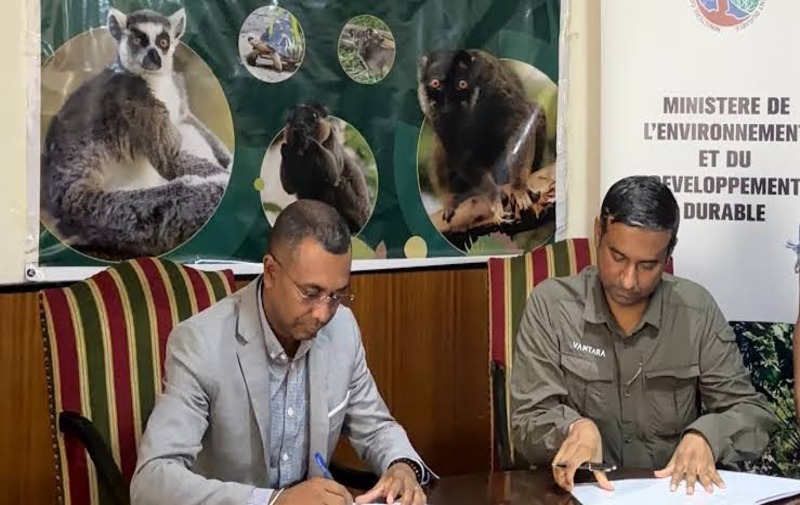
In a significant step towards protecting one of the world’s most unique wildlife habitats, Anant Ambani’s animal welfare and conservation organisation Vantara has signed a 10-year agreement with Madagascar’s Ministry of Environment and Sustainable Development.
The non-exclusive Memorandum of Understanding (MoU), signed on November 24, 2026, recognises Vantara as a conservation partner of the island nation. The collaboration aims to strengthen wildlife protection, animal welfare and conservation efforts across Madagascar.
One of the key objectives of the agreement is to support the return of Malagasy animals seized abroad. Vantara may assist with health checks, disease screening, transportation, quarantine and post-arrival care to help ensure that animals can safely return to their natural homeland.
The collaboration will also focus on wildlife rescue and rehabilitation, veterinary care and rewilding wherever possible. These efforts aim to give rescued animals a better chance of recovery and, where suitable, a return to the wild.
As part of the agreement, Vantara will support the development of Madagascar’s National Wildlife Rescue and Rehabilitation Centre. The proposed facility is expected to become an important hub for conservation, research, veterinary care and training. It will remain the property of the Republic of Madagascar and operate under the authority of the country’s environment ministry.
The centre could strengthen Madagascar’s ability to respond to wildlife emergencies while creating better facilities for rescued and injured animals.
Madagascar is globally known for its unique wildlife, particularly its lemurs, which are found naturally only on the island. However, these animals face growing threats from habitat loss and illegal wildlife trade. According to the IUCN Red List of Threatened Species, around 90% of lemur species are threatened with extinction, with nearly a third classified as Critically Endangered.
The partnership will also invest in local expertise through training programmes, internships, specialist exchanges and applied research.
By combining conservation support with local knowledge and capacity-building, the agreement aims to strengthen Madagascar’s long-term efforts to protect its wildlife and safeguard its extraordinary natural heritage.
.jpeg)
I have a Masters in Literature and a knack for spotting the silver lining! When I’m not chasing good news, you’ll find me nurturing my farm or lost in a good book.