"Dream, Dream, Dream! Conduct these dreams into thoughts, and then transform them into action."
- Dr. A. P. J. Abdul Kalam
"Dream, Dream, Dream! Conduct these dreams into thoughts, and then transform them into action."
- Dr. A. P. J. Abdul Kalam
6 Aug 2026
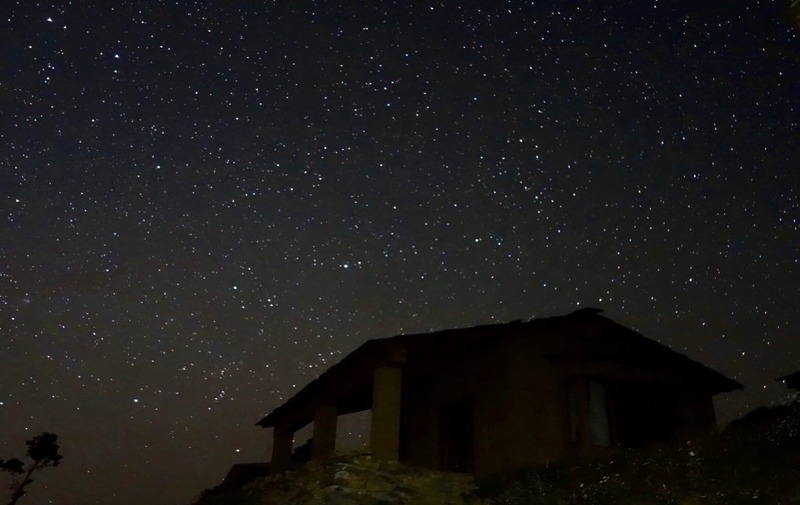
While cities across the world struggle with ever-growing light pollution, a tiny tribal village tucked away in Maharashtra's Nashik district is embracing the night in a remarkable way. Udmal, located in Surgana taluka, is preparing to become India's first Dark Sky Community certified by DarkSky International—a pioneering initiative that promises to transform the village into a destination where the stars, rather than city lights, steal the show.
With the Nashik district administration sanctioning ₹42.1 lakh under the District Annual Tribal Sub-Plan (DATSP), the ambitious project aims to conserve the pristine night sky, inspire scientific curiosity and create new livelihood opportunities for local tribal families through sustainable astro-tourism.
Unlike most development projects that add more lights, Udmal's initiative focuses on using smarter lighting.
The village's Gram Sabha has already passed a landmark resolution under the Panchayats (Extension to Scheduled Areas) Act (PESA) to reduce light pollution by adopting scientifically planned, energy-efficient outdoor lighting. The objective is not to plunge the village into darkness, but to ensure that artificial lighting is directed only where it is needed.
Nashik Collector Ayush Prasad described the move as an inspiring example of community-led conservation. He noted that the village's simple yet powerful message is "not less light, but wiser light," adding that Udmal is on course to become Maharashtra's first officially certified Dark Sky Community.
The initiative is being implemented in partnership with NGO Astronera, which will conduct night-sky quality assessments, install responsible lighting systems and organise awareness campaigns. Local tribal youth will also receive technical training, equipping them to guide visitors and participate in astronomy-based tourism.
Astronera founder Ashwini Kulkarni said the project demonstrates that well-planned lighting can improve safety, save energy and protect biodiversity while preserving the breathtaking beauty of the night sky.
If successful, Udmal could soon become one of India's most unique travel destinations, attracting astronomy enthusiasts, photographers, students and nature lovers eager to witness the Milky Way with the naked eye.
Beyond tourism, the project has a larger educational mission. Udmal's naturally dark skies provide perfect conditions to spark interest in astronomy, space science and scientific thinking among students. The initiative supports the constitutional vision of promoting a scientific temper while encouraging young minds to explore the universe.
The District Planning Committee has identified astro-tourism as a powerful tool to generate local employment without disturbing the region's rich natural heritage. By involving the community at every stage, the project ensures that conservation and development go hand in hand.
Udmal's journey proves that sometimes progress isn't about adding more lights—it is about preserving the darkness that allows the universe to reveal its brilliance.
.jpeg)
I have a Masters in Literature and a knack for spotting the silver lining! When I’m not chasing good news, you’ll find me nurturing my farm or lost in a good book.