"Dream, Dream, Dream! Conduct these dreams into thoughts, and then transform them into action."
- Dr. A. P. J. Abdul Kalam
"Dream, Dream, Dream! Conduct these dreams into thoughts, and then transform them into action."
- Dr. A. P. J. Abdul Kalam
7 Apr 2026
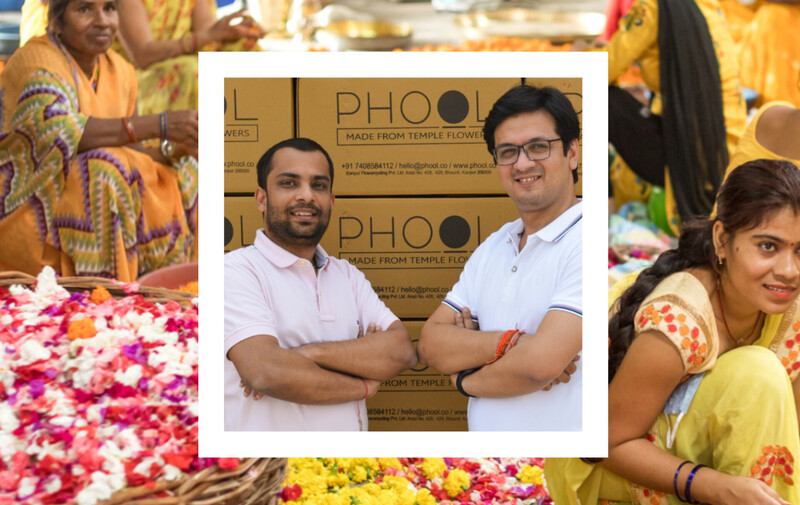
It was a cold morning during Makara Sankranti in 2015. Standing by the ghats of the sacred Ganges River in Kanpur, Ankit Agarwal and his friend watched a scene that felt both spiritual and unsettling. Devotees offered prayers, performed rituals, and immersed themselves in the holy water. But alongside faith, there was something else: waste. Flowers, once offered with devotion, floated lifelessly on the surface. Bright marigolds and roses slowly lost their color, dissolving into the polluted water. The same river people worshipped was quietly being harmed by those very acts of devotion. In that moment of silence and discomfort, a simple thought emerged: What if this could be changed? That thought became the seed of something extraordinary.
India produces nearly 8 million tonnes of temple flower waste every year, much of which ends up in rivers. These flowers are often treated with pesticides and chemicals. When dumped into water bodies, they release toxins, reduce oxygen levels, and harm aquatic life. For Ankit Agarwal and his friend Prateek Kumar, this wasn’t just an environmental issue; it was a contradiction. How could something offered in devotion become a source of destruction? Determined to find an answer, they spent over a year researching solutions. The idea was simple yet powerful: collect discarded temple flowers and give them a second life. In 2017, that idea took shape as Phool.
The early days were far from easy. Convincing temples to hand over their floral waste required trust. Building a collection system across cities was logistically complex. And perhaps the biggest challenge convincing people to buy products made from “waste.” But persistence paid off. Phool began collecting flowers from temples in cities like Varanasi, Ayodhya, Bodh Gaya, and Badrinath. Every week, over 21 tonnes of floral waste were gathered and processed. What emerged from this process was not just recycling; it was transformation. Discarded flowers were turned into charcoal-free incense sticks, organic vermicompost, and other eco-friendly products. The waste that once polluted rivers now carried fragrance into homes.
Phool didn’t stop at incense sticks. In a groundbreaking move, the company introduced Fleathera, vegan leather made entirely from flower waste. This innovative material not only reduces environmental impact but also offers a cruelty-free alternative to traditional leather. The idea caught global attention. Investors, including Alia Bhatt, backed the initiative, recognizing its potential to redefine sustainable materials. Another innovation, Florafoam, emerged as a biodegradable alternative to thermocol, addressing yet another environmental concern. These products reflect a larger vision turning waste into valuable, sustainable resources.
Today, Phool generates around ₹50 crore in revenue and employs over 400 people, most of them women from marginalized communities. For many of these women, Phool is more than a workplace—it is a source of dignity, independence, and empowerment. This is where the story becomes deeply human. It’s not just about cleaning rivers. It’s about creating livelihoods. It’s about restoring dignity to both people and the environment.
In its first four years, Phool recycled over 11,000 metric tonnes of temple waste. But its impact goes beyond numbers. It challenges the way we think about waste. Something that was once considered useless is now seen as a resource. Something discarded without thought is now handled with purpose. It also raises an important question: What if every problem we ignore is actually an opportunity waiting to be discovered? Once, these flowers were offerings of faith. Then, they became symbols of pollution. Through Phool, they have found a second life. And in that journey, they have taught us something simple yet powerful: Nothing is truly waste if we choose to see its value.
Writing about what truly matters, good news and stories to remind the world - it is brighter than we think.