
"Dream, Dream, Dream! Conduct these dreams into thoughts, and then transform them into action."
- Dr. A. P. J. Abdul Kalam
"Dream, Dream, Dream! Conduct these dreams into thoughts, and then transform them into action."
- Dr. A. P. J. Abdul Kalam
14 Aug 2026
For years, the name Bastar was associated with forests, conflict and Naxal violence. But on National Handloom Day, ten women from the region helped tell a very different story.
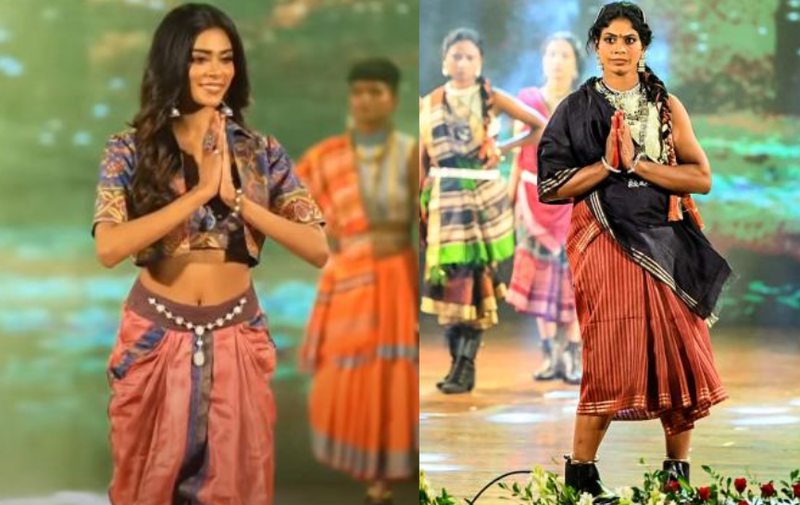
At a government event in Raipur, former women Maoist cadres walked the ramp dressed in Chhattisgarh’s exquisite handwoven textiles, including its celebrated Kosa silk. Before an audience of officials and guests at the Deen Dayal Upadhyay Auditorium, they took their place in the spotlight—not as former insurgents, but as women reclaiming their identity and showcasing the cultural heritage of their homeland.
They had rehearsed for days for the moment. And when they finally walked onto the stage, the applause was about much more than the clothes they wore.
The ten women who participated in the event were once part of the Maoist movement and had lived on the other side of the conflict that has troubled Bastar for decades. Their appearance on the ramp offered a striking picture of what rehabilitation can look like when surrender is followed by an opportunity to rebuild.
They carried the colours, patterns and traditions of Chhattisgarh. Their journey from armed cadres to participants in a celebration of their own cultural heritage represented a profound shift—from a life shaped by conflict to one centred on dignity, livelihood and belonging.
The event also highlighted a larger effort to bring surrendered cadres back into mainstream society. An insurgency is not truly defeated simply when weapons fall silent. Its deeper defeat comes when those once caught in violence are able to return to ordinary life—to work, earn, participate in society and take pride in their roots. That is what made the Raipur ramp significant. The women were not merely displaying handloom garments. They were demonstrating the possibility of a different future.
Chhattisgarh has been working to move Bastar away from its long association with Left-Wing Extremism and towards greater development and opportunity. Chief Minister Vishnu Deo Sai has described the vision as transforming the region from a “red corridor” into a “green corridor”.
The transformation will not happen overnight. But moments like this offer a glimpse of what change can look like on the ground. The women who once lived amid conflict now stood beneath bright lights, wearing the traditional fabrics of their state and receiving applause from the very society they had once stood apart from.
Their presence on the ramp carried a message more powerful than fashion. Bastar’s story is changing—and these women are walking into that new chapter with confident steps.
.jpeg)
I have a Masters in Literature and a knack for spotting the silver lining! When I’m not chasing good news, you’ll find me nurturing my farm or lost in a good book.
Comments
A truly inspiring and powerful story of transformation! Seeing these ten women move from a life shaped by conflict to confidently showcasing Bastar’s beautiful handloom heritage is a remarkable example of rehabilitation, dignity, and new beginnings. Their journey shows that with opportunity and support, people can rebuild their lives and contribute positively to society. Thank you, **Lathika Saju**, for sharing such a meaningful and hopeful story. Please keep writing more inspiring blogs! <a href= "https://medicompares.com"> Blood test Hyderabad</a>