"Dream, Dream, Dream! Conduct these dreams into thoughts, and then transform them into action."
- Dr. A. P. J. Abdul Kalam
"Dream, Dream, Dream! Conduct these dreams into thoughts, and then transform them into action."
- Dr. A. P. J. Abdul Kalam
26 Jan 2026
The Indian Railways is embracing a new era of modernization, transforming traditional stations into hubs that resemble international airports in both design and functionality. From Bengaluru’s Sir M. Visvesvaraya Terminal to Bhopal’s Rani Kamalapati Railway Station, these developments offer travelers comfort, convenience, and a premium experience, marking a significant leap from the conventional perception of railway travel. These stations not only focus on transport efficiency but also on aesthetics, sustainability, and passenger well-being, demonstrating India’s commitment to world-class infrastructure.
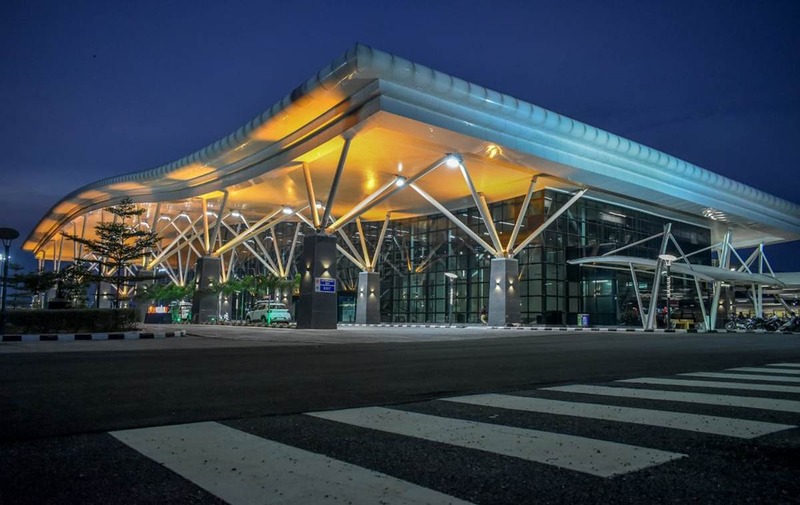
Sir M. Visvesvaraya Terminal (SMVT), located in Baiyyapanahalli, Bengaluru, opened in June 2022 as the city’s third major railway terminal. Designed as India’s first centrally air-conditioned railway station, SMVT aims to reduce congestion at KSR Bengaluru City and Yesvantpur Junction. Its glass-paneled structures, VIP lounges, extensive parking, charging points, and even massage chairs make it feel more like an airport than a traditional railway station. Though praised for its modernity, the terminal has faced criticism over pedestrian access, ventilation, and seating, highlighting the ongoing challenge of balancing aesthetics with functionality.
Ayodhya Dham Junction (AY), formerly Ayodhya Junction, is a landmark station in Uttar Pradesh that merges spiritual pride with world-class infrastructure. Situated just 1.2 km from the iconic Ram Mandir, the station’s architecture draws inspiration from Hindu temples, featuring shikharas and mandapas, while providing modern passenger facilities. Redeveloped in 2023, it serves pilgrims and travelers with large concourses, enhanced connectivity, and seamless integration with major railway lines. The station is a perfect example of how modern infrastructure can honor tradition, making the travel experience both efficient and culturally resonant.
In Gujarat, Gandhinagar Capital Railway Station (GNC) combines luxury with transit efficiency by integrating a five-star hotel, The Leela, above its tracks, a first in India. Its airport-like design includes theme-based LED lighting, spacious concourses, lifts, escalators, prayer rooms, baby care facilities, and ample parking. Managed by the Gandhinagar Railway and Urban Development Corporation (GARUD), this station illustrates how railway infrastructure can blend hospitality, urban connectivity, and convenience, turning travel into a holistic experience.
Gomti Nagar Station in Lucknow exemplifies how modern railway infrastructure can integrate sustainability and aesthetics. Redeveloped under the Amrit Bharat Station Scheme, it blends traditional Awadhi architecture with contemporary elements. Solar panels, green building standards, large waiting areas, and clear signage create an airport-like environment. Integrated commercial spaces, hotels, and retail hubs enhance passenger convenience, transforming the station from a simple transit point into a self-sustaining urban center.
Rani Kamalapati Railway Station (RKMP) in Bhopal is India’s first privately-managed station under a public-private partnership (PPP) model, designed to rival global airports. Its grand glass dome, modern concourse, digital signage, Wi-Fi, escalators, rainwater harvesting, solar panels, and luxury lounges offer travelers unparalleled comfort. With battery-operated cars, baby care pods, food courts, and entertainment options, RKMP provides not just transit but an experience. It stands as a testament to how Indian railway stations are evolving into lifestyle destinations, not just functional spaces.
The common thread across these stations is the emphasis on airport-style amenities: central air conditioning, VIP lounges, large concourses, advanced security systems, digital displays, and integration with other transport modes like metro, buses, and taxis. The focus is on creating an immersive experience where comfort, efficiency, and aesthetics coexist, setting a benchmark for the future of Indian railway travel.
From SMVT Bengaluru to RKMP Bhopal, India’s railway stations are moving beyond traditional transit points to become modern, integrated hubs that reflect the country’s aspirations. With airport-like infrastructure, state-of-the-art technology, and passenger-focused services, these stations make travel safer, easier, and more enjoyable. They not only improve operational efficiency but also highlight India’s progress in urban planning, infrastructure design, and sustainable development, ensuring that every journey feels like a premium experience.

Romanticizing life and shaping stories from everything I see through my journalistic lens. Also, I love sports on the side.